Flores earthquake death toll reaches 71 as 3,215 aftershocks shake eastern Indonesia
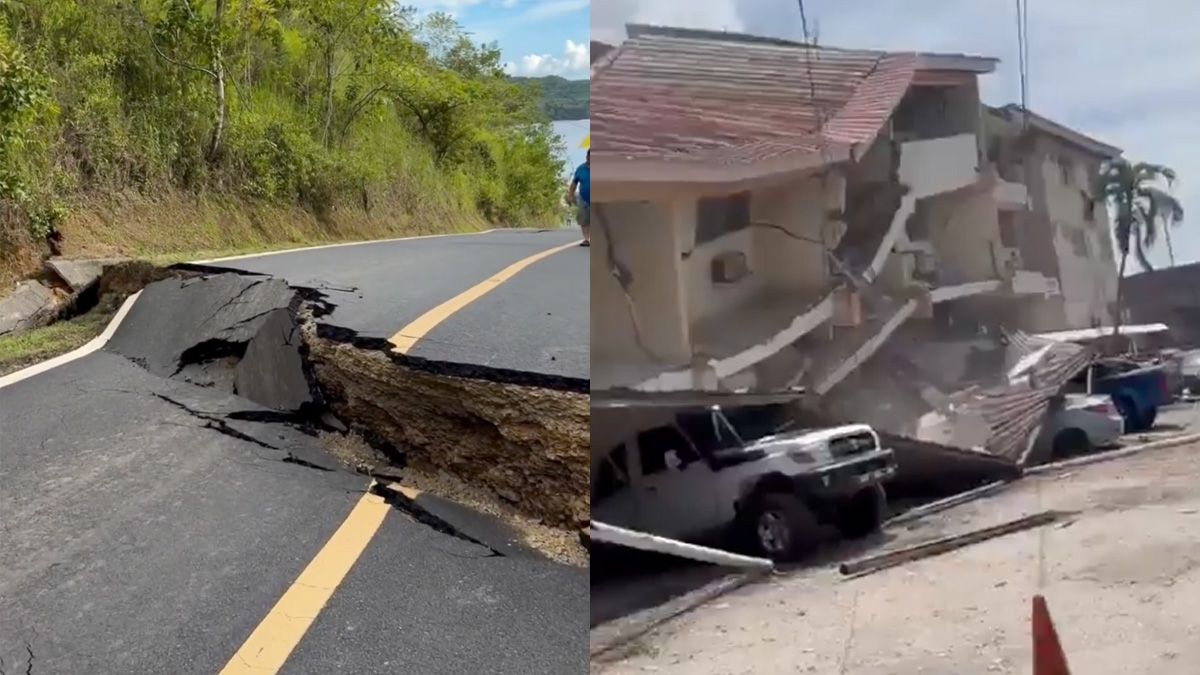
Indonesia’s earthquake death toll in Flores has risen to 71, while BMKG has recorded 3,215 aftershocks since the M7.7 earthquake struck on 15 August.
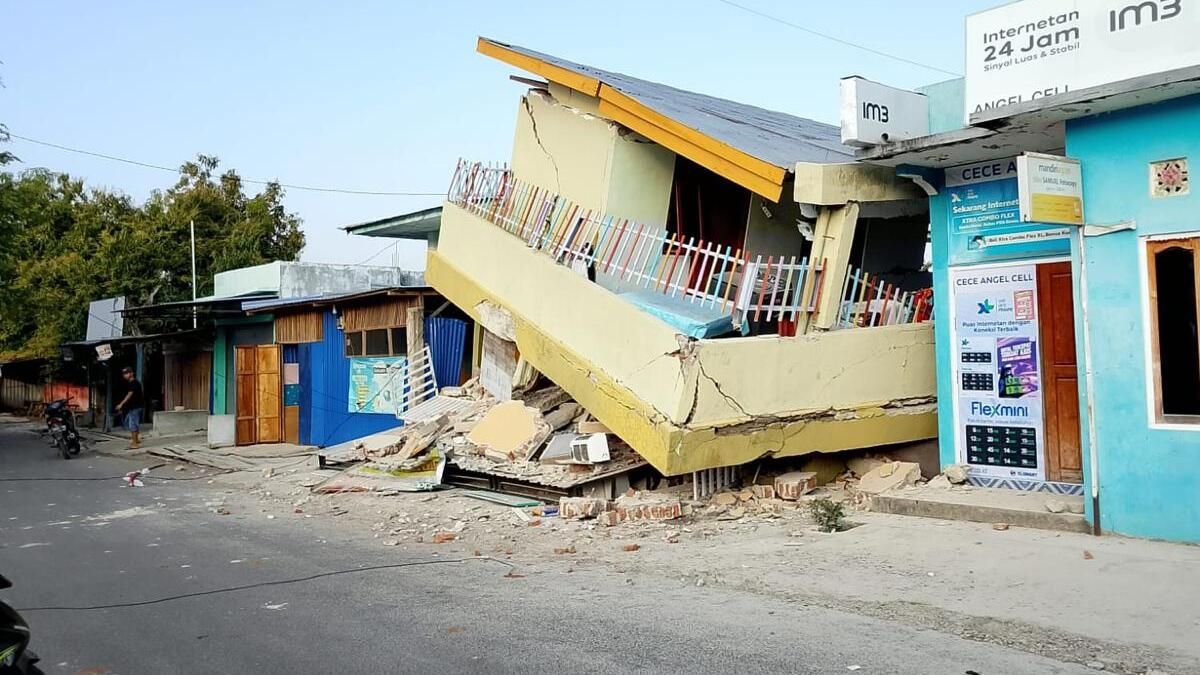
- Indonesia’s earthquake death toll has risen to 71, with the latest fatality recorded in Nagekeo Regency.
- BMKG recorded 3,215 aftershocks by 23:30 WIB on 19 August, including 86 felt by residents.
- A further M5.6 earthquake struck north of Ruteng, with BMKG ruling out tsunami potential.

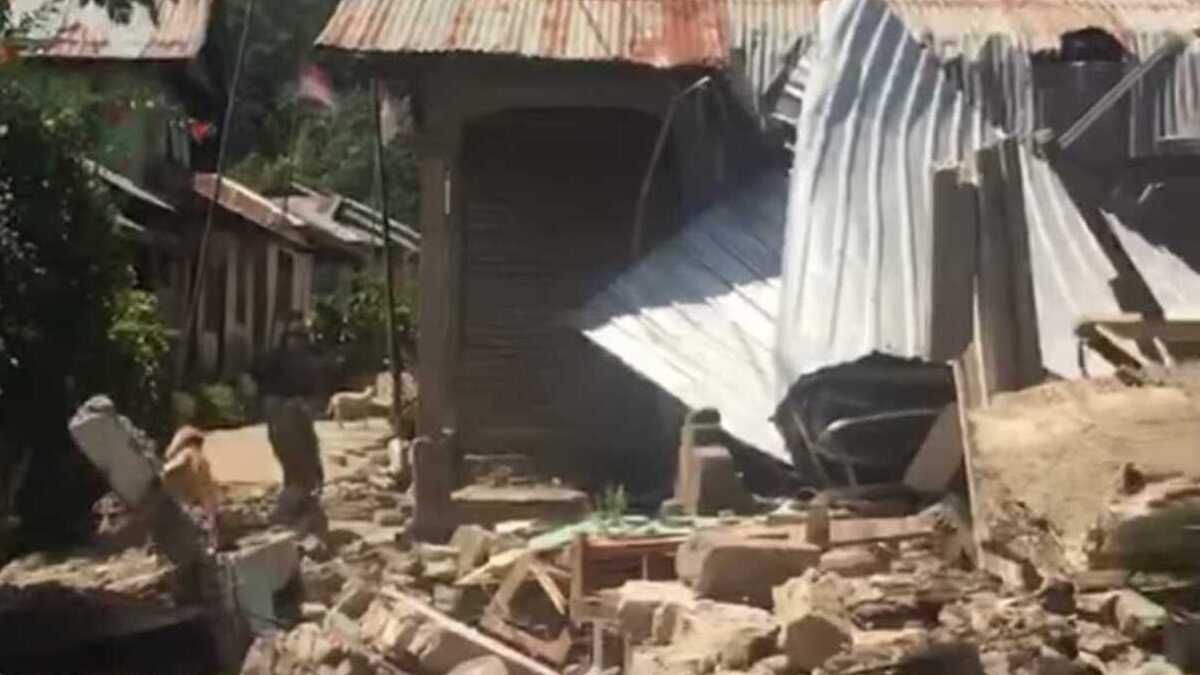
The death toll from the powerful earthquake that struck Flores, East Nusa Tenggara, has risen to 71, while thousands of aftershocks have continued to shake the region, according to Indonesian authorities.
The National Disaster Management Agency (BNPB) reported the additional death on Wednesday, 19 August 2026, bringing the total number of fatalities from the earthquake to 71. The latest victim was recorded in Nagekeo Regency.
"The number of victims has increased by one to 71 (dead), in Nagekeo Regency," Berton Suar Pelita Panjaitan, Acting Head of the Disaster Data, Information and Communication Centre at BNPB, said during a press conference on Wednesday.
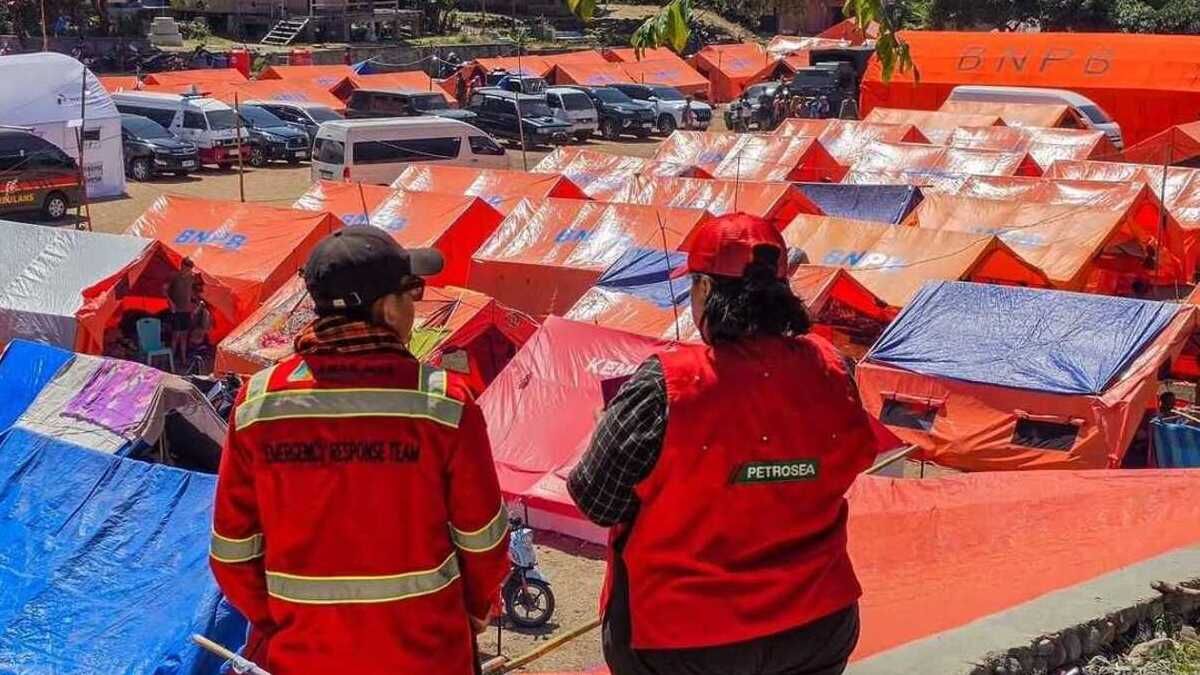
Berton expressed condolences on behalf of the government and government agencies to the families of those killed in the earthquake, including people staying in evacuation centres and affected areas.
M5.6 earthquake recorded north of Ruteng
A further earthquake struck the Flores region late on Wednesday, according to the Meteorology, Climatology and Geophysical Agency (BMKG).
BMKG said the earthquake occurred at 23:17:40 Western Indonesia Time (WIB) on 19 August. Its updated magnitude was recorded at M5.6, at a depth of 10 kilometres.
The epicentre was located at coordinates 8.24 degrees south and 120.55 degrees east, at sea about 43 kilometres north of Ruteng in Manggarai Regency, East Nusa Tenggara.
BMKG's tsunami modelling found that the earthquake had no potential to generate a tsunami.
The agency classified the earthquake as a shallow earthquake associated with activity along the Flores Back-Arc Thrust. Its source-mechanism analysis indicated a downward movement, or normal fault, mechanism.
Shaking felt across several regencies
BMKG said reports from residents indicated that the earthquake was felt at different intensities in several parts of East Nusa Tenggara.
The strongest reported intensity was IV on the Modified Mercalli Intensity (MMI) scale in Manggarai, West Manggarai and Nagekeo regencies.
At intensity IV MMI, BMKG describes shaking as being felt by many people indoors during the daytime.
The earthquake was also felt at III MMI in East Sumba Regency. At this level, vibrations are clearly felt indoors and can feel similar to the shaking caused by a passing truck.
More than 3,000 aftershocks recorded
The M5.6 earthquake was part of the continuing aftershock sequence following the M7.7 earthquake that struck Flores on 15 August 2026 at 04:58:23 WIB.
As of 23:30 WIB on 19 August, BMKG had recorded 3,215 aftershocks associated with the sequence. The largest aftershock had a magnitude of 6.2.
Earlier on Wednesday, BMKG reported that 3,002 aftershocks had been recorded as of 14:00 WIB, with magnitudes ranging from 1.1 to 6.2.
Nelly Florida Riama, BMKG's Deputy for Geophysics, said 86 aftershocks had been reported as felt by residents, while 25 had magnitudes above 5.
BMKG says aftershocks are part of energy release
Nelly said the continuing aftershocks were part of the process that follows a major earthquake.
"These aftershocks are quite numerous because they are part of the process of adjustment of the Earth's crust or energy release," she said.
She said the process allowed the Earth's crust to reach a new state of equilibrium following the main earthquake.
Nelly also said aftershocks were expected to continue in NTT over the following several days.
The BMKG advised residents to remain calm and not to be influenced by information that could not be verified.
The agency urged the public to obtain earthquake and tsunami information only from its official and verified communication channels.