China, Philippines trade accusations after sailor injured in Second Thomas Shoal confrontation
China and the Philippines have exchanged fresh accusations after a confrontation near the Second Thomas Shoal left a Philippine navy sailor injured. Both sides blamed each other for the clash, further escalating tensions in the disputed South China Sea ahead of key ASEAN meetings.
- A Philippine sailor was injured during a confrontation between Philippine and Chinese vessels near the Second Thomas Shoal.
- Manila accused the China Coast Guard of assaulting its personnel, while Beijing claimed Philippine vessels provoked the incident.
- The clash has intensified South China Sea tensions ahead of ASEAN foreign ministers' meetings in Manila.

China and the Philippines have exchanged sharp accusations following a confrontation between their vessels near the disputed Second Thomas Shoal that left a Philippine navy sailor injured, further escalating tensions in the South China Sea ahead of regional diplomatic meetings.
The incident occurred on Monday near the BRP Sierra Madre, a grounded Philippine naval vessel stationed at the Second Thomas Shoal, which Manila uses as a military outpost.
Both governments have presented conflicting accounts of what happened, with each accusing the other of initiating the confrontation.
Conflicting accounts of the confrontation
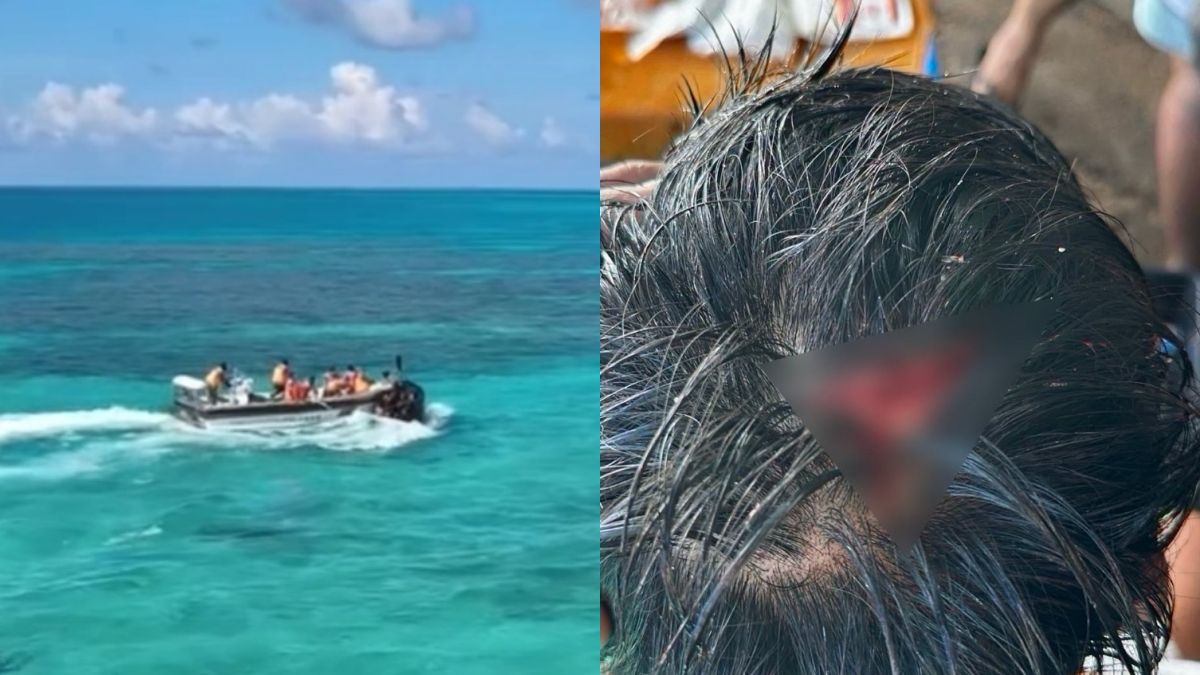
The Armed Forces of the Philippines (AFP) said a China Coast Guard rigid-hull inflatable boat carrying eight personnel approached the BRP Sierra Madre and began taking photographs and videos at close range.
According to the AFP, two Philippine navy rubber boats moved to drive the Chinese vessel away, after which Chinese personnel "reacted violently and aggressively by striking Philippine navy personnel with a wooden baton".
The Philippine military said one sailor was struck on the head and injured, while one of its rubber boats also sustained damage during the encounter.
A 25-second video released by the AFP appeared to show a Chinese Coast Guard member striking a Philippine sailor with a wooden baton during the confrontation.
"We call on the People's Liberation Army and the China Coast Guard, including their maritime militia, to put a stop to their illegal, coercive, aggressive and deceptive actions within the West Philippine Sea and adhere to the 2016 Arbitral Award that affirms the Philippines' lawful maritime rights under international law," the Philippine military said.
Beijing rejects Manila's allegations
China's Coast Guard rejected the Philippine account, accusing the Philippine vessels of ignoring repeated warnings before approaching and ramming a Chinese patrol vessel.
In a statement, Beijing claimed Philippine personnel initiated the confrontation.
"Philippine personnel first used paddles, wooden poles and other implements to aggressively attack Chinese law enforcement officers," the statement said.
It added that Chinese officers exercised "the utmost restraint" by issuing warnings, carrying out manoeuvres around the Philippine boats and taking what it described as proportionate countermeasures.
China also accused Manila of distorting the facts and making false allegations, demanding an "immediate cessation of infringement, provocation and false hype".
A separate video released by Chinese Embassy Manila showed officers shouting, "This is China Coast Guard, please leave immediately", while personnel from both sides wielded paddles and batons during the confrontation.
Maritime tensions remain high
The Second Thomas Shoal lies within the Philippines' 200-nautical-mile exclusive economic zone under the United Nations Convention on the Law of the Sea (UNCLOS), which China has ratified. The shoal is approximately 1,300km from mainland China, which refers to the feature as Renai Reef.
China continues to claim almost the entire South China Sea and has demanded the removal of the BRP Sierra Madre despite the outpost's location within waters claimed by the Philippines.
Manila has repeatedly called on Beijing to comply with the 2016 arbitral ruling, which found China's expansive maritime claims had no legal basis. China rejected the ruling and did not participate in the arbitration proceedings.
Regional attention on Manila
The latest confrontation comes as Southeast Asian foreign ministers gather in Manila for ASEAN meetings, with Chinese Foreign Minister Wang Yi also attending. Maritime security and tensions in the South China Sea are expected to feature prominently during discussions.
The Philippine Department of Foreign Affairs described the incident as an "act of violence" against Philippine navy personnel that warranted diplomatic action.
The United States also criticised Beijing's conduct.
"China's troubling pattern of provocation against lawful Philippine maritime operations undermines regional peace and stability and directly contradicts China's repeated commitments to resolve disputes peacefully," a US State Department spokesperson said.
The latest clash follows previous confrontations around the Second Thomas Shoal.
In June 2024, a violent encounter during a Philippine resupply mission resulted in a Filipino sailor losing a thumb before both countries later reached a provisional arrangement allowing resupply operations to continue.
Relations between Manila and Beijing have remained strained in recent months.
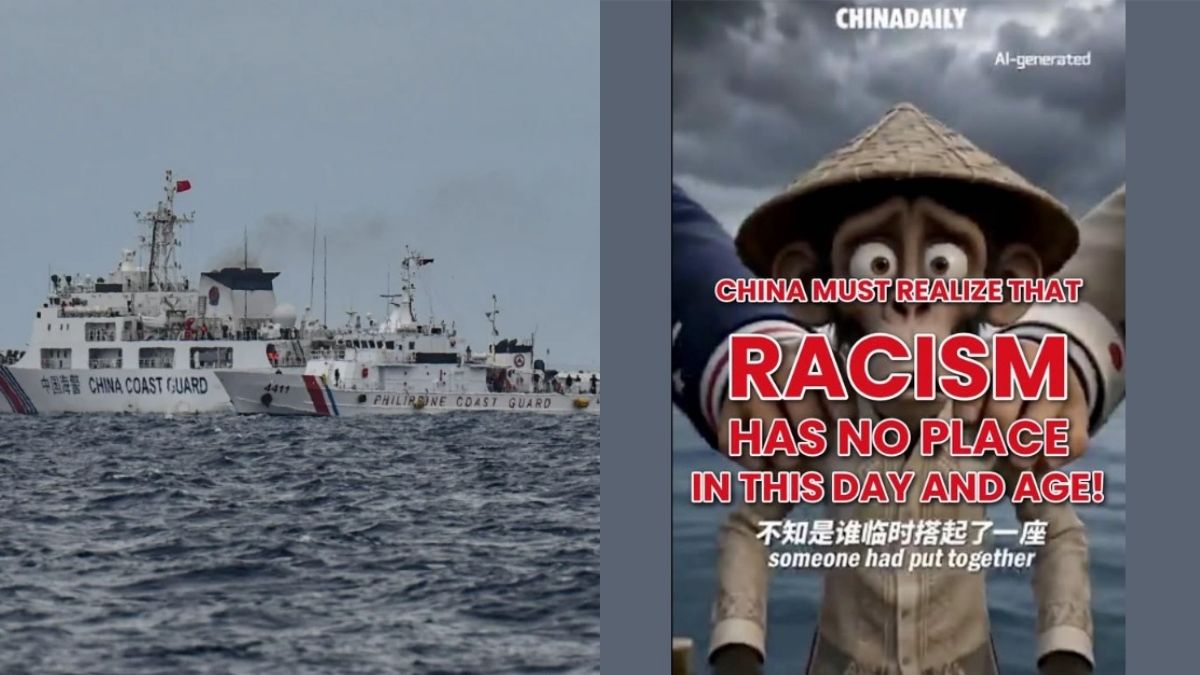
Earlier in July, the Philippine government condemned an AI-generated video published by Chinese state-run media outlet China Daily, describing it as racist and dehumanising.
On 12 July 2026, the Philippines and 13 partner countries also reaffirmed support for the 2016 Hague arbitral ruling, a move China dismissed as a distortion of the facts.
Diplomatic tensions were further heightened after Beijing imposed sanctions on Defence Secretary Gilberto Teodoro in June over his criticism of China's activities in the South China Sea.