Spain outlasted Argentina's physicality to win a final they controlled
Spain's second World Cup title was built on relentless attacking, precise passing and composure under Argentina's persistent fouling. Only goalkeeper Emiliano Martinez kept the final scoreless for so long, before Ferran Torres settled it in extra time.
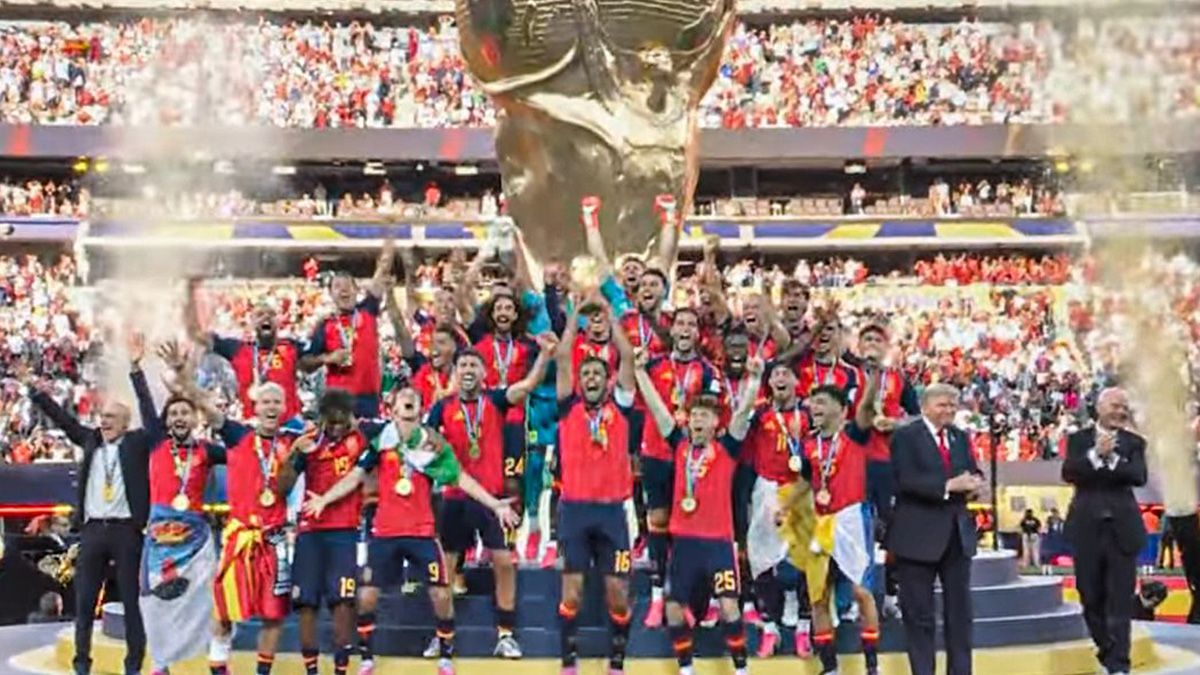
- Spain controlled possession and attacked relentlessly, draining a defensive Argentina.
- Spain kept discipline as Argentina's fouling drew cards, including a red.
- The dismissal and Torres's goal denied Argentina the shootout that suited them.

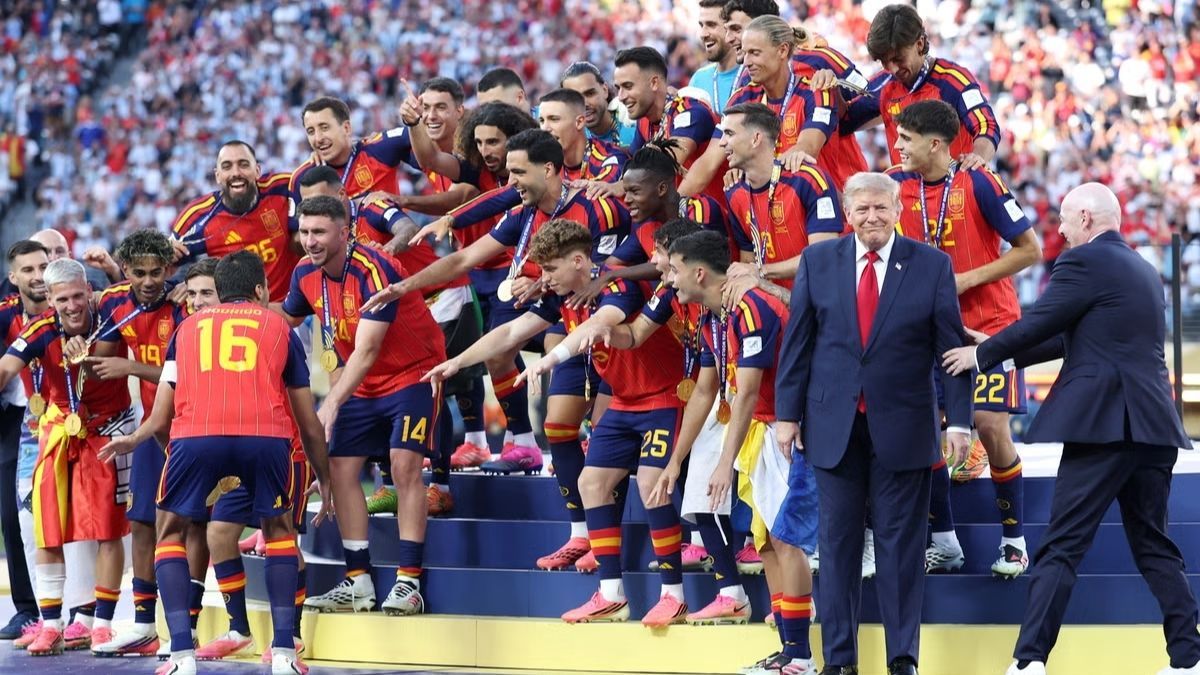
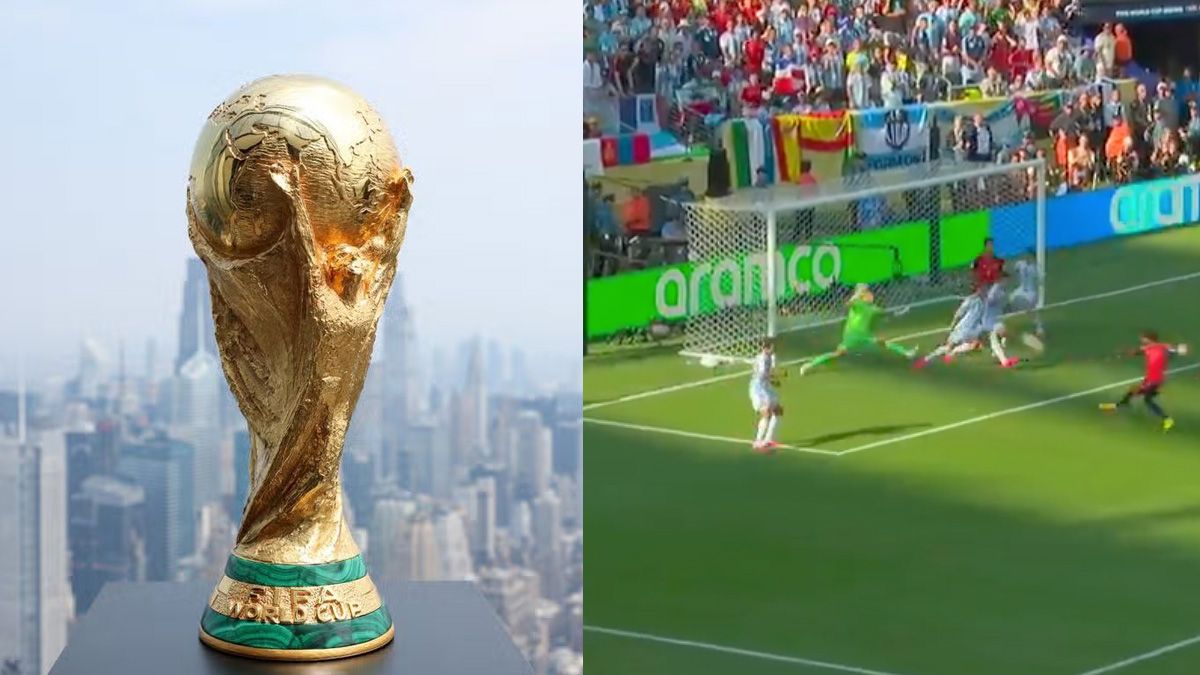
Spain's 1-0 extra-time victory over Argentina in the 2026 World Cup final at the New York/New Jersey Stadium on Sunday, 19 July 2026 delivered a second world title. The scoreline, though, understates how firmly Spain shaped the contest.
From the opening minutes, Spain set a high tempo and refused to let it drop. They dictated possession, holding around 64 per cent at the break, and pinned Argentina progressively deeper. Argentina did not register a single shot in the first half.
The pattern rarely changed. Spain circulated the ball with precision, drawing Argentina from side to side and forcing the South American side to chase passes they could seldom reach. The "Ole" chants that greeted each Spanish move told their own story.
What stood out was the quality of Spain's positional play. Attackers and full-backs combined in tight spaces with little error, overlapping down both flanks and creating repeated overloads. Marc Cucurella and Pedro Porro pushed high; Lamine Yamal and the substitutes probed for openings.
Underpinning it all was Spain's work rate. Whether pressing as attackers or recovering as defenders, they sustained their energy across 120 minutes, chasing loose balls and closing space long after Argentina's legs had gone. The control was physical as well as technical.
That control came at a cost to Argentina. By the closing stages they were, in the phrasing of match commentary, out on their feet and down to their reserves. The endurance Spain demanded through sheer ball retention drained an opponent who spent the night defending.
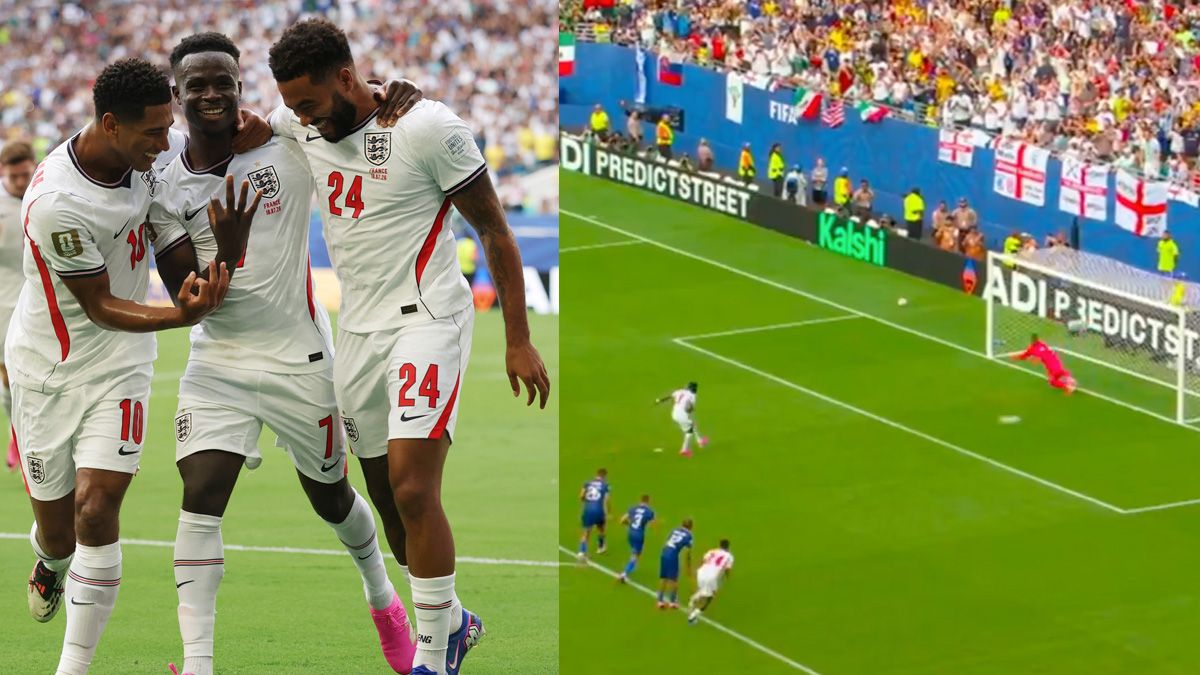
Argentina's response was the approach that has defined them across this tournament and before it: deep defending, rapid counters and a willingness to make the game a physical scrap. It was the same template that had eliminated England in the semifinal.
It came with an edge that has drawn sustained criticism. Argentina fouled persistently, and the officiating around them has been a recurring talking point of the 2026 competition. A perception that referees showed leniency toward the side became one of its most-discussed themes, though no evidence of wrongdoing was established.
Opponents had voiced grievances throughout. Egypt asked FIFA to investigate the officiating after a 3-2 defeat to Argentina, an appeal FIFA's refereeing chief rejected. The governing body's referee appointments for Argentina's matches also attracted scrutiny.
The pattern predates this tournament. At the 2022 World Cup, FIFA opened a disciplinary case against the Argentine federation after a record number of players and staff were booked during a fractious quarterfinal against the Netherlands. In 2026 qualifying, Peru's captain complained of bias after his side conceded 18 fouls in a narrow defeat.
In the final, that reputation caught up with Argentina. They conceded a steady stream of fouls and collected bookings for Lisandro Martinez, Leandro Paredes and Enzo Fernandez, the last of whom was sent off late in normal time for a second yellow card.
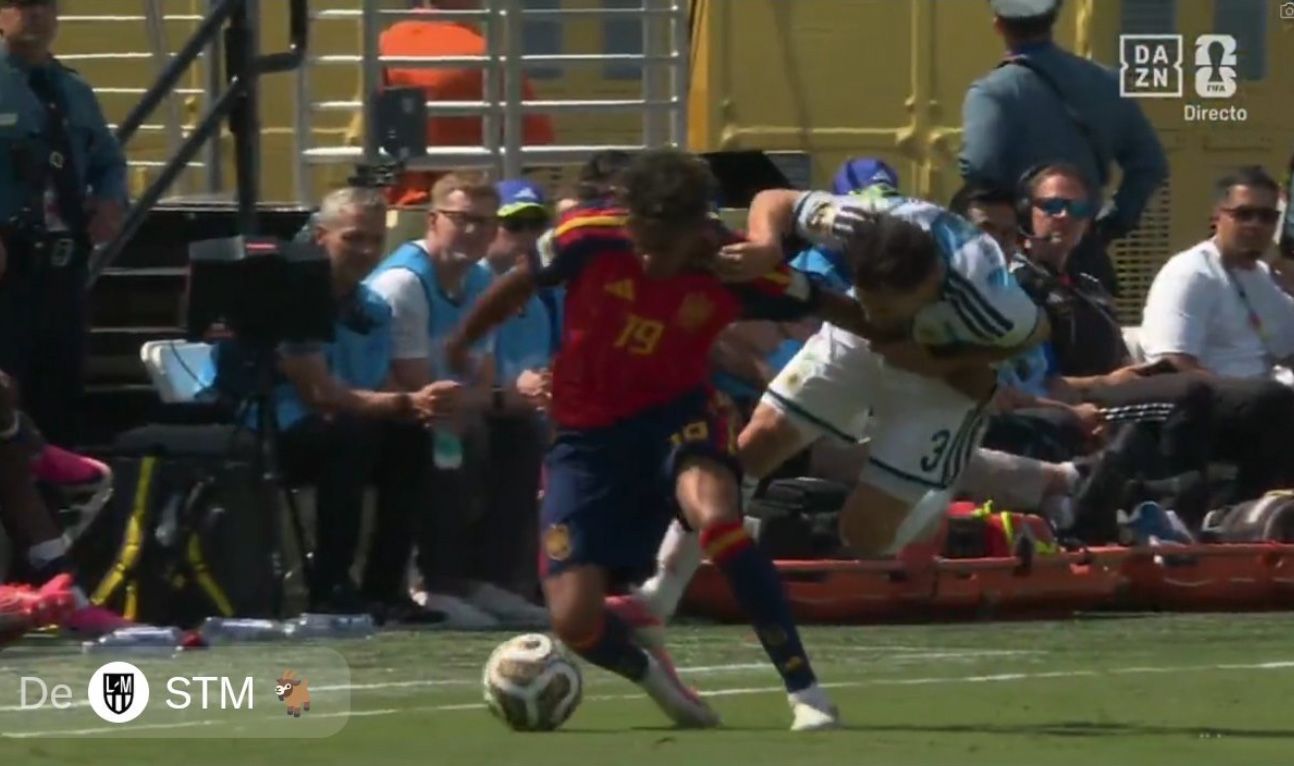
Spain's part in that outcome deserves recognition. They absorbed heavy challenges, a rugby-style tackle on Yamal and a series of non-calls among them, without losing composure or retaliating into cards of their own. The discipline was as much a feature of the performance as the passing.
For all their possession, Spain often found the final ball the hardest to play. Argentina defended with numbers massed around their own box, forming a congested block that closed the angles for a pass through or a clear sight of goal. Spain circled the penalty area repeatedly without a way in.
That siege shaped Argentina's mentality. With so many players committed to defending the box, few were left to support Messi when possession broke. Argentina were not choosing when to attack so much as surviving between spells of pressure, and their captain paid the price up front.
Messi was starved of the ball, dropping ever deeper to find possession that rarely arrived. The isolation recalled England's quarterfinal plan against Norway, where a scheme to deny Erling Haaland service, devised in part by his own club teammates, reduced a prolific forward to two shots across the match.
The difference was telling. Haaland was smothered by an opponent's design; Messi was left isolated as much by his own side's shape. Where Spain's players offered constant passing options, Argentina had too few bodies forward to support their captain, reducing one of the game's great forwards to a spectator for long stretches.
Yet the final stayed goalless for so long for one overriding reason: Emiliano Martinez. The Argentina goalkeeper, who won the Golden Glove at the 2022 tournament, produced save after save to keep his side level.
He denied Williams from close range, pushed a Yamal free kick wide in stoppage time, and repeatedly frustrated a Spanish attack that manufactured chances Merino, Torres and others might have converted. Against a lesser goalkeeper, the contest would almost certainly have been over inside 90 minutes.
That resistance carried a further purpose. A penalty shootout would have suited Argentina, who had won the 2022 final and that tournament's quarterfinal from the spot, with Martinez their decisive figure on both occasions. Match commentary reflected a Spanish wariness of exactly that outcome.
The red card struck at the heart of that plan. Argentina's route to the trophy ran through a shootout, and reaching one meant holding Spain off for another 30 minutes. Doing so a man down, against a side already in control and now with an extra player, tilted the balance decisively.
The equaliser Argentina needed never came at the other end. Reduced to ten men for the whole of extra time, they conceded within a minute of the restart. Ferran Torres headed in Nico Williams's knockdown, and the escape route to penalties closed.
That is the fairest summary of the final. Spain were the better side by a distance, controlling the ball, sustaining the attack and outlasting an opponent who defended and fouled in equal measure. Argentina's resistance rested on their goalkeeper and their physicality, and once one tired and the other drew a red card, the result followed.
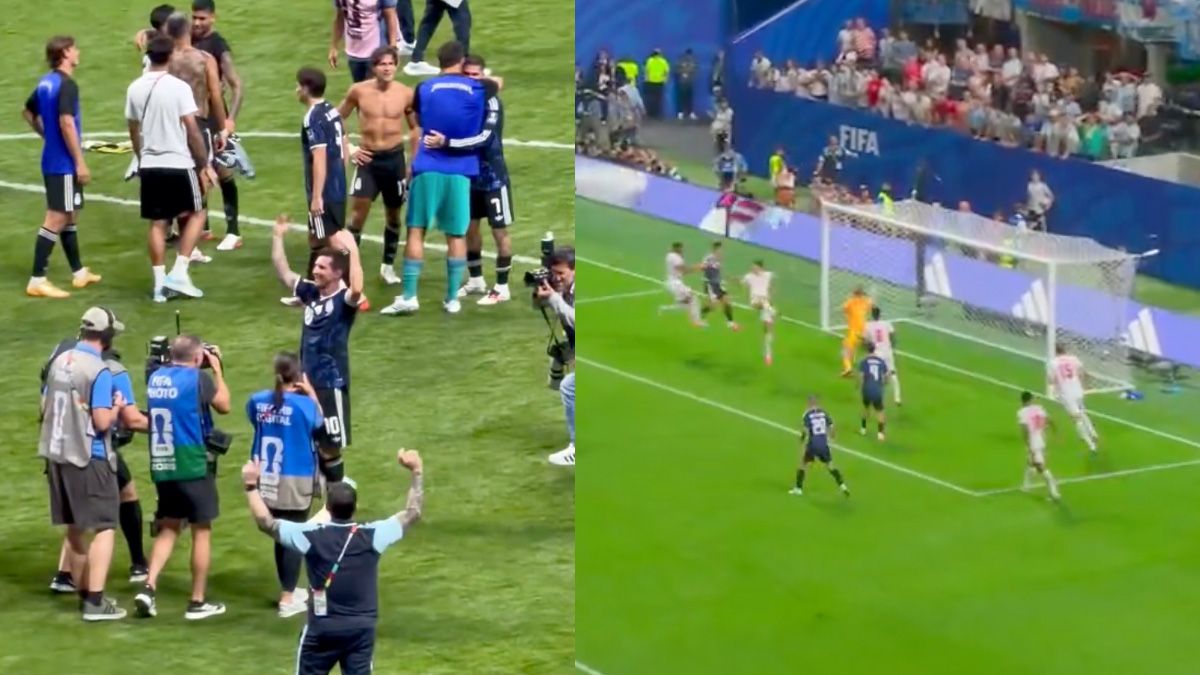
The ill-discipline did not end with the final whistle. Leandro Paredes was shown a second Argentine red card after the match for confronting Eric García, prompting a brief scuffle involving several players before Lionel Scaloni and others intervened. It capped a night in which Argentina collected two dismissals and a string of bookings.
The pattern was not new. Argentina's celebrations after their 2022 title win had themselves drawn a FIFA disciplinary case over conduct in the mixed zone, a reminder that the physical edge on display in this final has recurred around the national team across tournaments.
For Spain, it is a title earned on merit and endurance. For Argentina, a familiar approach carried them to the final but, this time, could not survive contact with a team disciplined and skilful enough to withstand it.