Fuel shortages across Sumatra trigger long queues, transport disruption and growing concern
Fuel shortages across parts of Indonesia's Sumatra island have caused hours-long queues at petrol stations, disrupted transport and deliveries, and prompted authorities to investigate fuel distribution and subsidised diesel allocations.
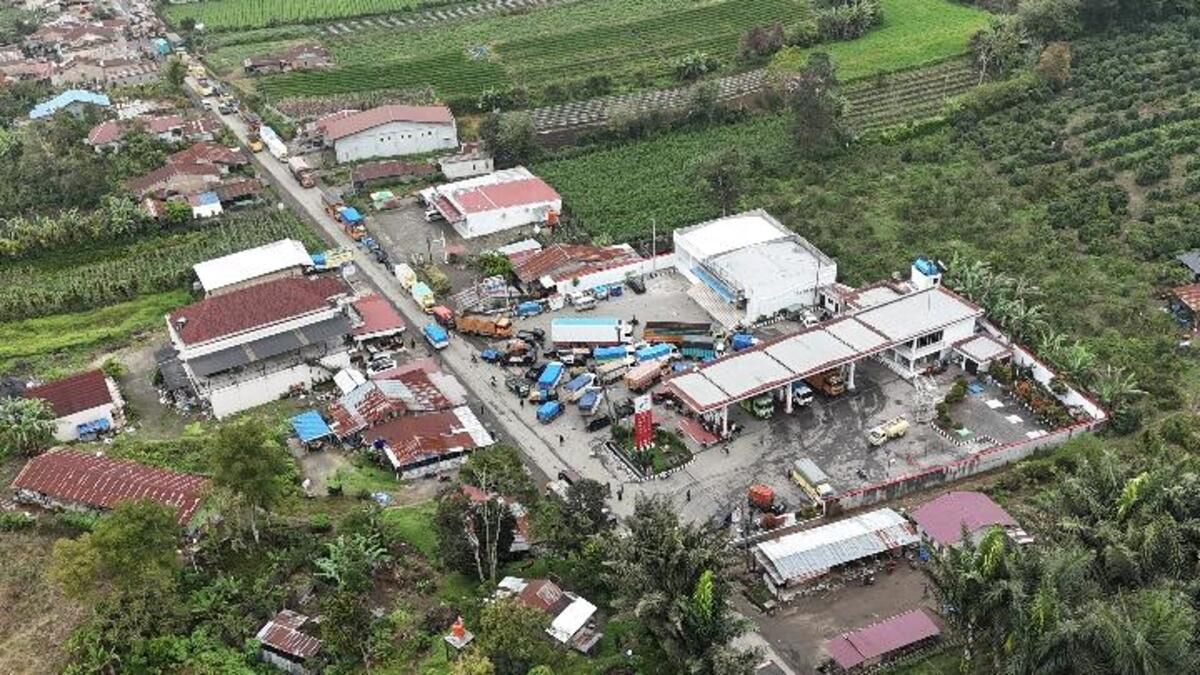
- Fuel shortages have disrupted transport, deliveries and daily livelihoods across parts of Sumatra.
- Authorities are investigating fuel distribution while reviewing subsidised diesel allocation and possible misuse.
- Long queues continue despite Pertamina increasing fuel deliveries and monitoring distribution.

Fuel shortages across parts of Indonesia’s Sumatra island have led to hours-long queues at petrol stations, disrupting transport services, delaying goods deliveries and affecting the livelihoods of drivers and traders.
The shortages have been reported for around a month in South Sumatra and North Sumatra, where motorists have been forced to wait for hours to purchase subsidised diesel and petrol. The situation has also been linked to at least one death after a lorry driver was found dead while queuing for fuel in South Sumatra.
According to BBC Indonesia, a 50-year-old lorry driver was discovered dead behind the wheel while waiting for diesel at a petrol station in Banyuasin Regency, South Sumatra. Police said he was suspected to have died from exhaustion.
Long queues stretch for hours
In Palembang, the capital of South Sumatra, queues of private vehicles, buses and heavy goods vehicles have become a common sight outside petrol stations, often causing traffic congestion.
Many drivers say they spend several hours waiting for fuel. Ronaldi, an interprovincial bus driver on the Padang–Palembang route, said the shortages have forced him to spend evenings queuing instead of resting between journeys.
The shortages have also generated widespread frustration among motorists.
One incident that attracted significant attention on social media involved a woman who broke down in tears after reportedly waiting in line for about four hours at a petrol station. In the widely shared video, she said fuel supplies had run out when she finally reached the pump.
The footage spread widely across social media platforms and became a symbol of public frustration over the ongoing shortages
Drivers and businesses affected
In Medan, North Sumatra, ride-hailing drivers and public transport operators say long queues are reducing their earnings.
Aji, a ride-hailing driver, said he had spent more than two hours waiting for fuel.
“We have to switch off our apps while queuing. Customers do not want to wait,” he told BBC Indonesia.
Intercity transport driver Agus said shortages had persisted for more than a month and often forced drivers to buy fuel from informal sellers at higher prices when petrol stations ran out of stock.
Traders have also reported disruptions. Livestock feed distributor Baim said fuel shortages have increased transport costs and delayed deliveries because drivers spend hours waiting to refuel.
Authorities investigate causes
The Indonesian Land Transportation Organisation (Organda) has described the situation as a “fuel emergency” for the transport sector.
Organda Secretary-General Kurnia Lesani Adnan said prolonged queues were disrupting operations and creating safety risks for drivers forced to wait overnight for fuel.
Data presented during a meeting between fuel regulator BPH Migas and the South Sumatra provincial government showed a significant gap between proposed and approved diesel allocations. Of the approximately 2.81 million kilolitres requested by local governments in South Sumatra, only around 630,963 kilolitres were approved.
South Sumatra Governor Herman Deru has suggested that misuse of MyPertamina fuel barcodes and irregularities in fuel distribution may be contributing to the shortages. A special task force is being prepared to monitor fuel distribution and investigate potential abuses.
Pertamina says stocks are available
State-owned fuel distributor Pertamina Patra Niaga has maintained that fuel stocks remain available.
The company said it has increased monitoring and distribution efforts, while operations in North Sumatra have been affected by adjustments to its tanker fleet. Additional tanker trucks and personnel have been deployed to speed up deliveries to petrol stations.
Energy economist Fahmy Radhi of Gadjah Mada University said rising demand for subsidised fuel may also be contributing to the queues, as motorists switch from more expensive fuels to lower-cost subsidised products.
Despite those efforts, long queues continue to be reported at a number of petrol stations across Sumatra, with motorists facing uncertainty over when supplies will return to normal.