ICC judges declare Rodrigo Duterte fit to stand trial over alleged crimes against humanity
The International Criminal Court has ruled that former Philippine president Rodrigo Duterte is fit to stand trial over alleged crimes against humanity linked to his anti-drugs campaign, with proceedings scheduled to open on 30 November 2026.
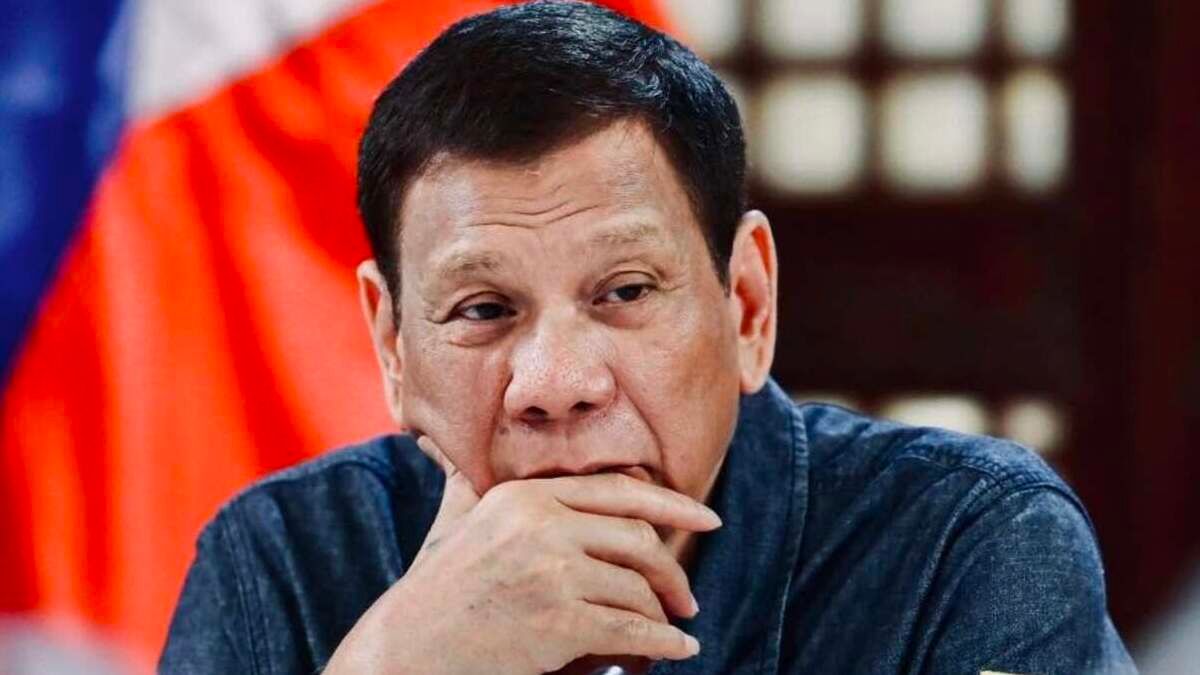
- The ICC has ruled that Rodrigo Duterte is fit to stand trial following an independent medical assessment.
- The trial is scheduled to open on 30 November 2026 over alleged crimes against humanity linked to killings between 2011 and 2019.
- The charges concern alleged murder and attempted murder, and the fitness ruling does not determine Duterte’s guilt.

Former Philippine president Rodrigo Duterte has been declared fit to stand trial by judges at the International Criminal Court (ICC), allowing proceedings over alleged crimes against humanity linked to his anti-drugs campaign to move towards a scheduled opening on 30 November.
The ICC’s Trial Chamber III made public its decision on 8 October, although the ruling was dated 28 September. The judges said an independent panel of medical experts had assessed Duterte’s condition and that the court was satisfied he could effectively exercise his fair-trial rights.
The ruling also adopted measures to facilitate Duterte’s participation in the proceedings. The trial is scheduled to open in The Hague, the Netherlands, where the court is based.
Medical experts assess Duterte’s fitness
Duterte’s defence team had argued that he suffered from cognitive decline affecting his memory and daily functioning, seeking to delay proceedings on the grounds that he was not fit to participate.
The ICC appointed independent medical experts to assess him. Their findings formed part of the material considered by the judges, alongside submissions from the prosecution, defence and other participants in the case.
In January, the court had separately ruled that Duterte was fit to participate in the pre-trial proceedings. That decision allowed the confirmation-of-charges hearing to proceed, but the trial chamber was required to assess his fitness for the trial itself.
The ICC said the latest decision was based on the experts’ findings and arguments submitted by the parties and participants. It concluded that Duterte could effectively exercise his rights in the proceedings.
Charges relate to killings between 2011 and 2019
Duterte, 81, faces three counts of crimes against humanity involving alleged murder and attempted murder. The charges concern killings allegedly committed between 1 November 2011 and 16 March 2019 in the context of the so-called war on drugs.
The period covers his time as mayor of Davao City and his presidency, which lasted from 2016 to 2022.
The ICC’s Pre-Trial Chamber I unanimously confirmed all three counts on 23 April 2026, finding sufficient grounds for the case to proceed to trial. Confirmation of charges is not a determination of guilt; prosecutors must prove their case at trial.
Duterte was arrested by Philippine authorities under an ICC warrant on 11 March 2025 and transferred to the court’s custody in The Hague the following day. He made his initial appearance before the court on 14 March 2025.
Trial scheduled for 30 November
The trial chamber scheduled the opening of the trial for 30 November at a status conference on 27 May 2026.
Before the trial begins, judges are expected to address outstanding matters and establish procedures intended to ensure that proceedings are conducted fairly and efficiently.
Duterte’s defence has challenged his ability to participate because of his health. The latest ruling removes the immediate procedural obstacle posed by the fitness question, although the case will continue to be heard under the court’s procedures.
If convicted, Duterte could face life imprisonment, the maximum penalty available under the ICC’s sentencing framework for the most serious crimes.
Drug war deaths remain central to the case
Duterte’s anti-drugs campaign became a defining policy of his presidency. Police operations and killings of people suspected of involvement in illegal drugs drew sustained criticism from human rights organisations and international bodies.
The Philippine government’s own drug-enforcement agency recorded 6,235 drug-related killings between 1 July 2016 and 28 February 2022. Human rights organisations have estimated a substantially higher death toll, with figures varying according to the period and cases included.
A 2020 report by the UN Human Rights Office documented allegations of widespread and systematic killings, arbitrary detention and other human rights violations in the country’s anti-drugs campaign. It also raised concerns about persistent impunity and barriers to justice.
Prosecutors allege that police officers and members of hit squads carried out killings in connection with Duterte’s campaign, including incidents before he became president. They will have to establish the allegations against him through evidence presented in court.
Philippine government says it will not interfere
The administration of President Ferdinand Marcos Jr has previously said it would not interfere in the ICC proceedings.
In January, Palace press officer Claire Castro said the government would not intervene in the court’s pre-trial process. After the ICC confirmed the charges in April, the Presidential Communications Office said the government respected the ruling and stressed the importance of both accountability and due process for the accused and victims.
The ICC’s latest decision concerns Duterte’s fitness to stand trial, not whether he is guilty of the crimes alleged against him. That question will be determined through the trial process.