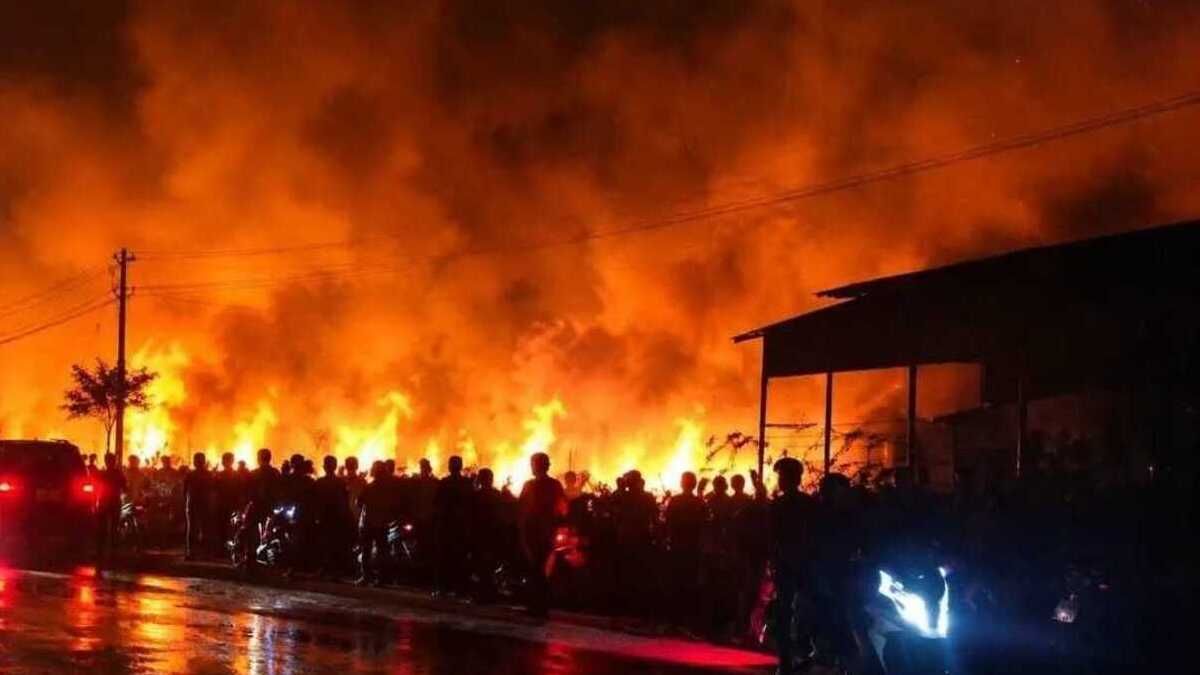
China and Taiwan intensify preparations as Super Typhoon Bavi approaches
China and Taiwan have activated emergency responses, mobilised disaster resources and issued public safety warnings as Super Typhoon Bavi advances towards densely populated coastal areas, while southern China continues recovering from flooding caused by Typhoon Maysak.
- China and Taiwan have activated extensive emergency measures ahead of Super Typhoon Bavi's expected approach.
- Transport disruptions and disaster-response deployments are already underway across affected coastal areas.
- Guangxi continues flood recovery and disease prevention following Typhoon Maysak and severe flooding.

Authorities in China and Taiwan have stepped up emergency preparations as Super Typhoon Bavi advances across the western Pacific, prompting transport disruptions, disaster-response deployments and public safety warnings ahead of its expected approach to densely populated coastal areas.
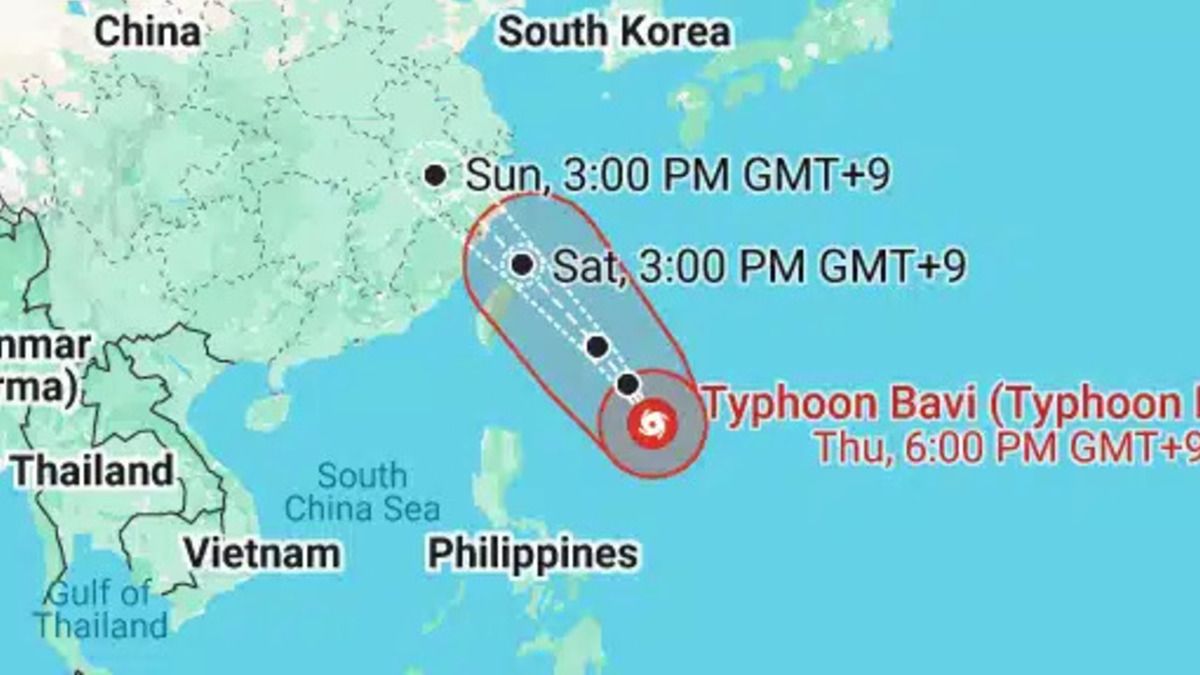
The storm, the ninth typhoon of the year, was moving westward over the Pacific Ocean on Wednesday before an anticipated turn towards the northwest. Chinese forecasters said Bavi could make landfall along the coast between Fuqing in Fujian Province and Wenling in Zhejiang Province on Saturday night, potentially arriving as a strong typhoon.
According to meteorological authorities, the system was located about 1,490 kilometres southeast of Keelung, Taiwan, on Wednesday afternoon and was travelling at approximately 15 to 20 kilometres per hour. Chinese authorities have activated emergency responses in Zhejiang and Fujian as they monitor the storm’s development.
China activates emergency responses
According to Xinhua, China’s State Flood Control and Drought Relief Headquarters on Wednesday activated a Level-IV emergency response for flood control and typhoon prevention in Zhejiang and Fujian provinces.
Provincial governments have also introduced a range of precautionary measures. Zhejiang activated an offshore typhoon emergency response and instructed coastal authorities to prepare shelters for vessels, secure fishing boats in port, suspend maritime routes and close marine tourism sites.
In neighbouring Fujian, rough seas and strong winds associated with Bavi had already disrupted coastal transportation by Wednesday. Maritime authorities suspended eight coastal passenger ferry routes and halted operations of 22 passenger ferries. All 110 marine construction projects along the province’s coastline were ordered to stop work.
Fujian’s maritime bureau activated a Level III typhoon emergency response and deployed emergency resources, including two large rescue vessels, four rescue helicopters and 48 patrol vessels.
Authorities also continued safety inspections and warnings for shipping companies, marine construction operators and vessels in port.
Preparations were visible across eastern China, with workers reinforcing roadside trees in Zhejiang’s Wenzhou City and railway personnel conducting inspections of transport infrastructure in Ningbo ahead of the storm’s expected arrival.
Taiwan mobilises disaster resources
Taiwan has also intensified preparations as Bavi approaches.
The Central Weather Administration (CWA) issued a sea warning on Thursday afternoon, covering the Bashi Channel and waters to the southeast and northeast of Taiwan. The agency warned vessels operating around Orchid Island and Green Island to exercise caution.
At 2 p.m. on Thursday, the typhoon’s centre was approximately 920 kilometres east-southeast of Oluanpi, Taiwan’s southernmost point. The storm was moving north-northwest at between 20 and 23 kilometres per hour and was expected to turn northwestward.
The CWA reported maximum sustained winds of 51 metres per second near the storm’s centre, with a central pressure of 925 hectopascals.
Taiwanese forecasters said Bavi could become the largest typhoon by size to affect the island since 1987, describing storms of comparable scale as rare in recent years. Authorities warned that the storm could be the most powerful typhoon to affect Taiwan since 2024.
President William Lai urged residents to prepare emergency supplies, including food, torches and emergency bags capable of sustaining households for up to three days.
Premier Cho Jung-tai said the government had mobilised extensive disaster-response resources nationwide. Authorities have placed 6,662 disaster response personnel, 4,497 rescue vehicles, 1,254 boats and 24 helicopters on standby. Nearly 29,000 military personnel have also been prepared for potential emergency operations.
Taiwanese authorities said preparations had been completed in 173 locations considered vulnerable to isolation during severe weather. Measures include stockpiling supplies, establishing communications capabilities and arranging evacuation shelters. Emergency communications systems, including hundreds of satellite phones, have also been tested and readied, while nearly 1,900 mobile pumping units have been prepared for flood-prone areas. (Source: Taipei Times)
Guangxi continues recovery from Typhoon Maysak
While eastern China prepares for Bavi, southern China is continuing recovery efforts after severe flooding caused by Typhoon Maysak.
In Nanning, the capital of Guangxi Zhuang Autonomous Region, health authorities have launched large-scale disease-prevention measures to reduce the risk of outbreaks in flood-affected communities.
Officials warned of increased risks from infectious diarrhoea, typhoid, influenza, allergic reactions and other illnesses linked to contaminated water, poor sanitation and growing mosquito populations.
More than 300 additional disease-control specialists were deployed to affected towns on Wednesday to conduct disease surveillance, environmental disinfection and other public health measures.
Authorities have also prepared disinfectants and testing materials for flood-related infectious diseases.
Since the flooding began earlier in the week, more than 4,200 sanitation workers and over 1,300 vehicle deployments have been involved in clearing silt, removing waste and restoring environmental hygiene.
Regional disease-control officials said surveillance had so far detected no unusual disease trends. Emergency monitoring systems remain active, including daily risk assessments, symptom monitoring at temporary medical stations and evacuation sites, health inspections, and enhanced surveillance of drinking water quality and disease-carrying insects.
Flooding triggers snake escape
Flooding in Guangxi also led to an unusual emergency after hundreds of snakes escaped from a breeding farm in Hengzhou when floodwaters damaged the facility.
Local officials estimated that between 800 and 900 snakes escaped after heavy rainfall breached a reservoir embankment. Most of the escaped reptiles are believed to be non-venomous. One resident was reportedly bitten and received emergency hospital treatment.
Village volunteers formed snake-catching teams to help contain the situation, using fishing nets and other equipment to locate and capture the animals. Authorities advised residents without specialist experience not to attempt to catch snakes themselves.
Emergency medical preparations have been expanded, including increased antivenom supplies, specialist medical support, additional search-and-rescue patrols and dedicated treatment pathways for snakebite patients. Temporary medical stations have also been established in affected areas.
Public awareness campaigns have been launched through village loudspeakers, messaging groups and door-to-door outreach. Residents have been advised to avoid flooded areas, overgrown vegetation and drainage ditches where snakes may gather.
Local authorities have also distributed guidance on preventing snakebites and responding safely if bitten. Residents wading through floodwaters have been advised to wear protective clothing such as rain boots and long-sleeved garments and to avoid handling floating debris where snakes may be hiding.
The incident comes as Guangxi continues to deal with the aftermath of flooding that left six people dead and 11 missing earlier this week. China’s Ministry of Emergency Management has dispatched more than 36,000 additional disaster-relief items to the region.
Regional concerns ahead of landfall
Meteorological agencies across East Asia continue to monitor Bavi closely as it moves towards more densely populated coastal areas.
Current forecasts indicate that the typhoon will pass near northern Taiwan before approaching China’s eastern coast during the weekend. Authorities in Japan’s Okinawa Prefecture have also warned residents to remain alert for violent winds, flooding, landslides and storm surges.
Officials across the region have urged residents to complete preparations and closely follow official weather advisories as one of the strongest storms of the year approaches.