Taiwan Cabinet approves record NT$3.93tn budget with defence spending above NT$1tn
Taiwan's Cabinet on Thursday, 20 August 2026 approved a record NT$3.9266 trillion (US$123 billion) central government budget for 2027, with defence spending exceeding NT$1 trillion for the first time and a NT$10,000 cash handout for every citizen.
- Record NT$3.9266 trillion budget approved, with revenue and expenditure balanced and no net new borrowing.
- Defence spending reaches NT$1.1225 trillion, exceeding NT$1 trillion for the first time.
- Universal NT$10,000 cash handout costs NT$235.7 billion; opposition parties demand larger payments.

Taiwan's Cabinet approved a record central government budget of NT$3.9266 trillion (US$123 billion) for the 2027 fiscal year on Thursday, 20 August 2026, with overall defence spending exceeding NT$1 trillion for the first time.
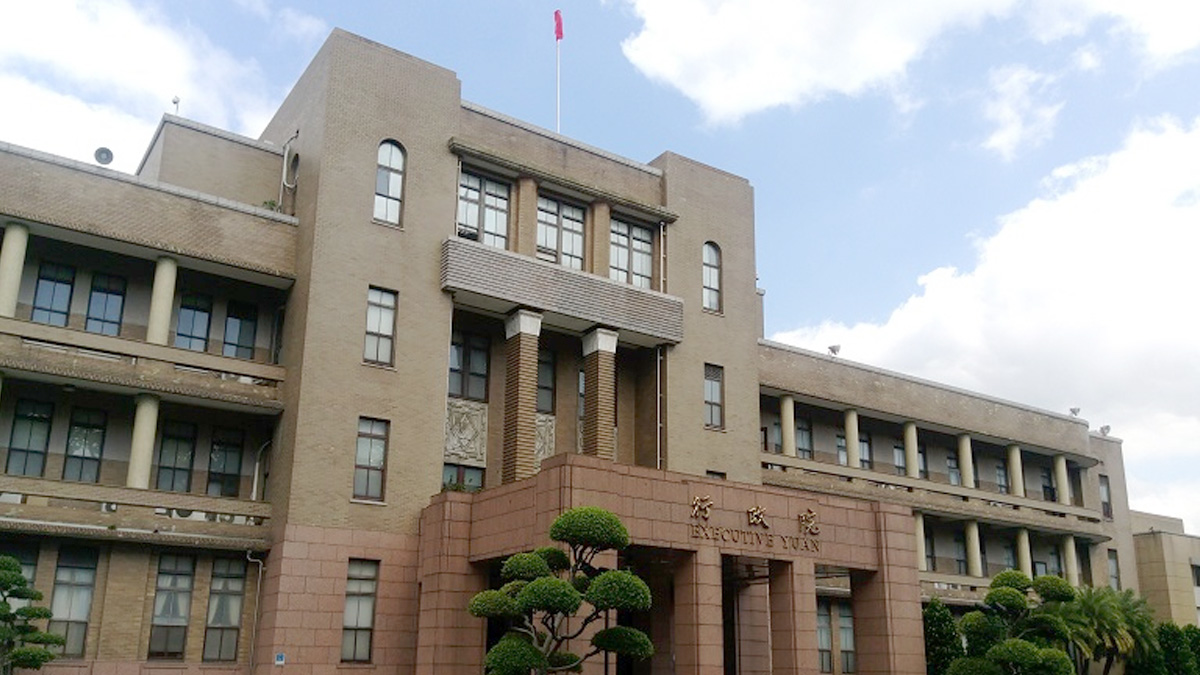
The Executive Yuan meeting, chaired by Premier Cho Jung-tai, cleared the general budget proposal together with subordinate unit budgets. The package is due to be submitted to the Legislative Yuan for review before the end of August.
According to figures released by the Directorate-General of Budget, Accounting and Statistics (DGBAS), both revenue and expenditure are set at NT$3.9266 trillion, producing a balanced budget.
Expenditure rises by NT$891.6 billion, or 29.4 per cent, from NT$3.035 trillion in the current fiscal year. Revenue increases by NT$1.0643 trillion, or 37.2 per cent, from NT$2.8623 trillion.
The government says it will borrow NT$179 billion to finance debt repayments of the same amount, maintaining what it describes as a substantive zero-borrowing position. Special budget borrowing adds a further NT$17.8 billion.
DGBAS projected outstanding debt at the end of 2027 at NT$6.8831 trillion. That is equivalent to 23.4 per cent of average nominal gross domestic product over the preceding three years, below the statutory ceiling of 40.6 per cent for longer-term debt.
Defence spending passes NT$1 trillion
Overall defence spending is budgeted at NT$1.1225 trillion (US$35.16 billion), an increase of about NT$173 billion, or roughly 18 per cent, on the current year.
The Ministry of National Defence's own expenditure accounts for NT$691.9 billion, up NT$130.5 billion or 23.2 per cent. Special budgets contribute NT$218.2 billion and non-profit special funds a further NT$60.7 billion.
Following the accounting method used by the North Atlantic Treaty Organisation (NATO), the total also includes NT$103.8 billion in veterans' pension payments administered by the Veterans Affairs Council and NT$47.9 billion for the Coast Guard Administration.
DGBAS said the ratio to GDP depends on the base used. Calculated on the same basis applied to the 2026 budget, defence spending equals 3.93 per cent of GDP.
Using the 2027 GDP forecast of NT$37.3 trillion released in August 2026, the figure is 3.01 per cent. Defence spending in the current year is equivalent to 3.32 per cent of GDP.
President William Lai has set a floor of 3 per cent of GDP for defence spending, with a stated goal of reaching 5 per cent by 2030.
Blocked procurement items to return
Hsieh Chi-hsien, director of the defence ministry's Comptroller Bureau, said items previously rejected by the legislature would be brought back through a supplementary budget for the current year.
He said the defence special budget submitted last year covered 23 procurement items with a ceiling of NT$1.25 trillion. The legislature approved only 10 items, with a reduced ceiling of NT$780 billion.
Thirteen items worth about NT$470 billion remain unfunded. Three are expected to be covered by the draft special statute on procurement of indigenous unmanned vehicles, which the Cabinet submitted in June 2026 and which the legislature has not yet passed.
Hsieh said the remaining 10 items, including the domestically developed Chiang Kong surface-to-air missile, would all be placed in the supplementary budget.
DGBAS Minister Chen Shu-tzu said the supplementary budget could be tabled at the Cabinet meeting on 27 August 2026, although subsidies to CPC Corporation, Taiwan may still be adjusted in light of conditions in the Middle East.
Welfare, handouts and pay rises
Social welfare spending is budgeted at NT$1.1889 trillion, an increase of 41.1 per cent. Including NT$154.9 billion from non-profit special funds, the overall figure reaches NT$1.3438 trillion.
Population-related policies receive NT$373 billion, including NT$329.5 billion for a family support programme. That programme covers a monthly payment of NT$5,000 for each child up to the age of 18.
The budget also allocates NT$130 billion to the labour insurance fund and NT$60 billion to the national health insurance fund.
A new item of NT$235.7 billion funds a universal cash handout of NT$10,000 (about US$313) per person. Finance Minister Chuang Tsui-yun said the payment would not be means-tested.
A further NT$39.2 billion is set aside for pay adjustments for military personnel, civil servants and public school teachers. The Executive Yuan said the wider remuneration package, including allowances, would add about NT$99.5 billion annually.
Technology development programmes receive NT$229.2 billion on a consolidated basis, including NT$40.8 billion for artificial intelligence-related projects. Public construction rises 31.6 per cent to NT$379.4 billion.
Support for small, medium and micro enterprises increases to NT$22.2 billion, a rise of NT$14.8 billion or 198.6 per cent. Grants to local governments total NT$1.3579 trillion.
Political contest ahead
Lai said on 17 August 2026, after a second briefing on the budget, that the economic growth forecast had been revised upwards from 9.64 per cent to 11.05 per cent, potentially a 39-year high.
He said the handout would allow the dividends of artificial intelligence-driven growth to be shared by the whole population.
Cho rejected opposition calls to double the payment. He said the NT$10,000 figure had been calculated against the state's fiscal capacity, and that a larger sum would squeeze allowances for elderly farmers, national pension recipients and other welfare programmes.
Responding to criticism that the plan would impoverish the state, Cho said no new debt was being incurred and that the budget was about enriching the people.
Fu Kun-chi, the Kuomintang caucus whip in the Legislative Yuan, said on Friday, 21 August 2026 that his caucus would discuss proposing handouts of NT$20,000 to NT$30,000, and would review the budget actively.
Chen I-hsin, chairman of the Kuomintang's Culture and Communications Committee, said the party had tabled a citizens' support payment bill in May 2026 proposing a NT$10,000 handout, which the government had then opposed on fiscal discipline grounds.
Hsu Yu-chen, chief deputy secretary-general of the Kuomintang caucus, said that even if the budget was not passed before 1 January 2027, Article 54 of the Budget Act allowed new programmes to draw funds in advance with legislative consent.
The opposition-controlled legislature passed the current year's budget only on Friday, 15 August 2026, after months of delay, cutting about NT$48 billion.