Cambodia bans second-hand and counterfeit telecom equipment over safety and scam risks
Cambodia has banned the import, sale and distribution of second-hand and counterfeit telecommunications equipment, citing risks to public safety, critical communications, consumer health, online scams and the environment.
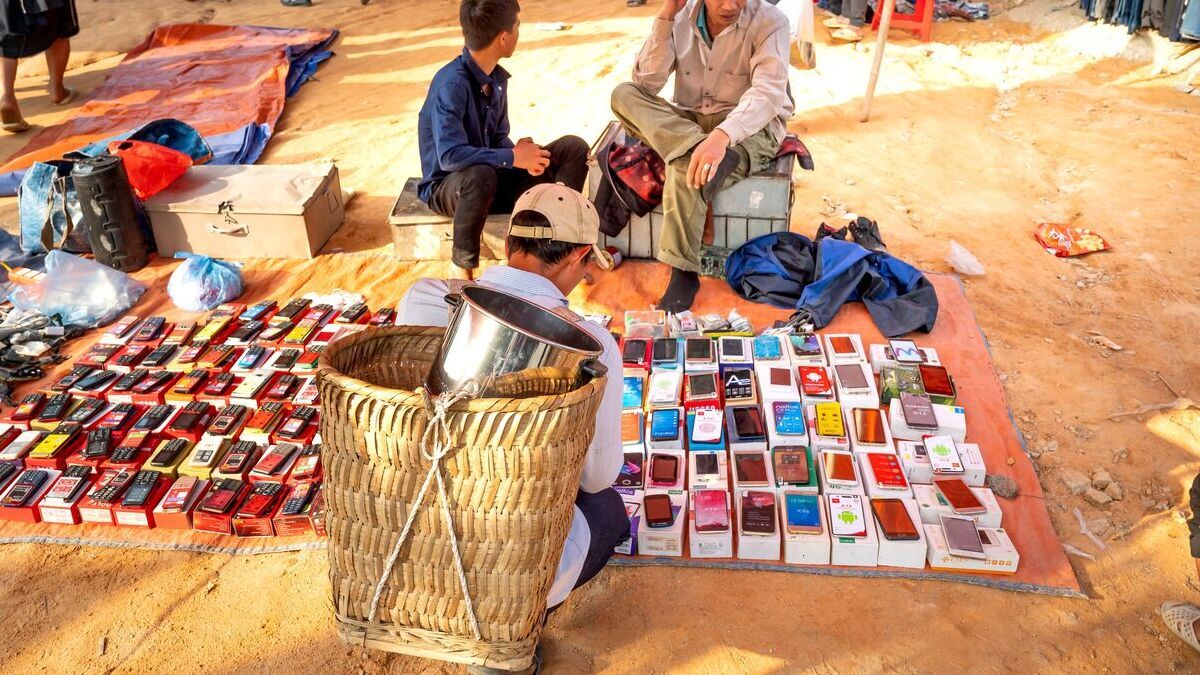
- Cambodia has prohibited unauthorised second-hand and counterfeit telecommunications equipment.
- Businesses have 60 days to obtain required certification and permits or face enforcement action.
- The regulator cited communication interference, safety hazards, scams and electronic waste as key concerns.

Cambodia has banned the import, sale and distribution of second-hand and counterfeit telecommunications equipment, citing potential risks to public safety, critical services, consumer health and the environment, as well as the possible use of such devices in online scams.
The Telecommunications Regulator of Cambodia (TRC) issued the notice on Tuesday (22 September), covering mobile phones, tablets, computers, walkie-talkies and other telecommunications equipment.
The regulator said it had observed such products being advertised and sold through websites and social-media platforms.
It said many of the devices did not have the required Qualified Agent (QA) certificate, Type Approval (TA) certificate for individual models or import permits issued by the TRC.
The regulator said businesses dealing in such equipment were therefore violating Articles 15 and 16 of Cambodia's Telecommunications Law and related regulations.
Businesses given 60 days to comply
The TRC has ordered businesses involved in the import, supply, distribution, advertising and resale of unauthorised telecommunications equipment to stop the activities and take steps to comply with the regulations.
Businesses have 60 days from the date of the notice to apply to the TRC for a Qualified Agent certificate allowing them to legally import, supply and distribute telecommunications equipment.
The regulator said businesses must ensure that telecommunications equipment they import, supply, distribute, advertise or resell is new and comes from legitimate and certified sources.
Companies, wholesalers, retailers and other businesses that continue to engage in prohibited activities could face enforcement action, including confiscation of illegal equipment, fines and the closure of websites used to advertise the products.
The regulator also called on the public to report businesses, warehouses, distributors and other parties involved in the illegal trade.
Devices could interfere with emergency communications
The TRC said unauthorised telecommunications equipment could interfere with radio frequencies used by critical national services.
It specifically identified public safety, emergency services, national security, aviation, navigation and military communications as areas that could be affected.
The regulator said equipment manufactured for use in other markets could have hardware or software that has been modified before being imported into Cambodia. Such modifications could affect the devices' operating frequencies, transmission power or other technical characteristics.
Mobile phones and walkie-talkies were identified as particular concerns because improperly configured equipment could interfere with other communications systems.
The regulator said such interference could disrupt the operation of critical services and potentially affect public safety.
Fire and health risks also cited
The Cambodian regulator also warned about physical and electrical hazards associated with second-hand or counterfeit equipment.
These include unsafe batteries and charging systems, electrical safety problems and excessive heat that could lead to fires.
The equipment could also exceed permitted electromagnetic-field exposure levels, according to the TRC, while devices that have not undergone the required testing may fail to meet electromagnetic compatibility standards.
The regulator further warned that consumers could lose money when purchasing products designed for other markets because modified or incompatible hardware and software could result in poor performance.
Regulator warns of online scam use
The TRC also warned that unauthorised telecommunications equipment could be used by criminals in technology-enabled online scams.
The regulator did not identify a particular criminal group or specific scam operation in its announcement. It said the potential use of such equipment for criminal activities was among the reasons for tightening controls over telecommunications equipment sold in Cambodia.
Cambodian authorities have previously worked with foreign law-enforcement agencies in investigations involving scam operations based in the country.
In September 2025, the Singapore Police Force and Cambodian National Police conducted a joint operation against a criminal syndicate operating from Phnom Penh.
Singapore police said the group was believed to have targeted victims through Government Officials Impersonation Scams, with at least 330 reported cases involving more than S$40 million in losses.
The investigation involved Singaporeans, Malaysians and a Filipino national, according to the Singapore Police Force.
In December 2025, Singapore police also announced the arrest of a Malaysian man whom they described as a suspected member of an organised criminal group based in Phnom Penh. He was allegedly involved in Government Officials Impersonation Scams targeting victims in Singapore.
In May 2026, Singapore police said a Singaporean man had been arrested after being detained by Cambodian authorities in Phnom Penh. He was allegedly linked to an organised criminal group operating from Cambodia.
The cases form part of a series of cross-border investigations involving Cambodian and foreign authorities as they pursue organised groups operating across national boundaries.
Electronic waste among environmental concerns
The TRC also cited environmental risks from the continued circulation and eventual disposal of low-quality telecommunications equipment.
Devices that are counterfeit, damaged or unsuitable for the market in which they are sold can eventually become electronic waste, adding to the volume of discarded electrical and electronic products.
The regulator said its measures were intended to protect public safety and health, safeguard critical telecommunications services, protect consumers and reduce environmental harm.
Businesses dealing in telecommunications equipment have been instructed to comply with the new requirements within the 60-day period set by the regulator.