Indonesia records 174,694 respiratory illness cases linked to fires and haze, including 40,363 children
Indonesia recorded 174,694 acute respiratory infection cases in fire-affected areas between 18 August and 21 September, prompting expanded health monitoring and support across seven provinces.
- Indonesia recorded 174,694 acute respiratory infection cases linked to fire-affected areas between 18 August and 21 September.
- The Health Ministry deployed 1,898 healthcare workers and expanded supplies, equipment and local health-service support.
- Malaysia reported declining haze-related illnesses, while Singapore recorded moderate air quality on 22 September.

Indonesia recorded 174,694 cases of acute respiratory infections (ARI) in areas affected by forest and land fires between 18 August and 21 September, including 40,363 cases among children under five, according to the Ministry of Health.
The latest figure was disclosed by Then Suyanti, the ministry's Director of Environmental Health, during a press conference in Jakarta on Tuesday, 22 September. She said 4,533 ARI cases were still active, while the remainder had recovered.
The ministry is monitoring the health effects of the fires in seven provinces: Riau, Jambi, South Sumatra, West Kalimantan, Central Kalimantan, South Kalimantan and East Kalimantan.
The cumulative figure has risen substantially from the 113,336 ARI cases recorded by the ministry as of 9 September. At that time, 26,545 cases involved children aged up to five, while 86,791 were among people aged over five.
Health response expanded as fires continue
The Health Ministry said it was continuing to monitor ARI cases, air quality, the readiness of healthcare facilities and medical supplies in the seven affected provinces.
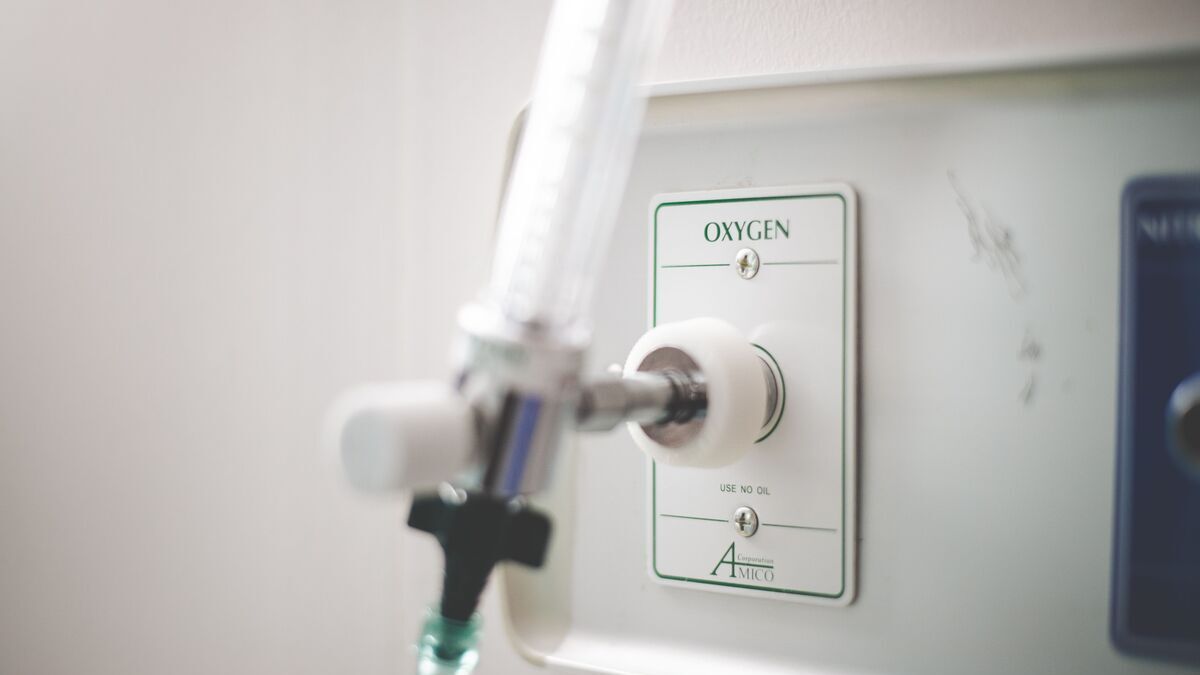
The government is strengthening health posts and hospitals and deploying medical equipment and logistical supplies. These include oxygen concentrators, oxygen cylinders and masks, while community health laboratories are being prepared to support air-quality testing.
The ministry is also mobilising Health Reserve Workers, known as Tenaga Cadangan Kesehatan, at district and municipal level to support local health services.
On 21 September, the ministry said it had deployed 1,898 healthcare workers and distributed medical supplies to areas affected by the health risks associated with the fires. The deployment followed increasing health-service demands in several fire-affected areas.
In Palembang, South Sumatra, for example, city health authorities recorded weekly ARI cases rising from 3,807 in the fourth week of August to 4,104 in the first week of September and 4,326 in the second week. The cases involved both children and people of working age.
Distance learning considered for children
The Health Ministry has recommended that local governments consider distance learning when air quality deteriorates because of smoke from forest and land fires.
Suyanti said the recommendation was intended to reduce children's exposure to smoke by limiting outdoor activities. Children are among the groups considered particularly vulnerable to the effects of deteriorating air quality.
The ministry is also advising people in affected areas to monitor air-quality conditions, reduce outdoor activities when pollution levels are poor and use protective measures such as masks.
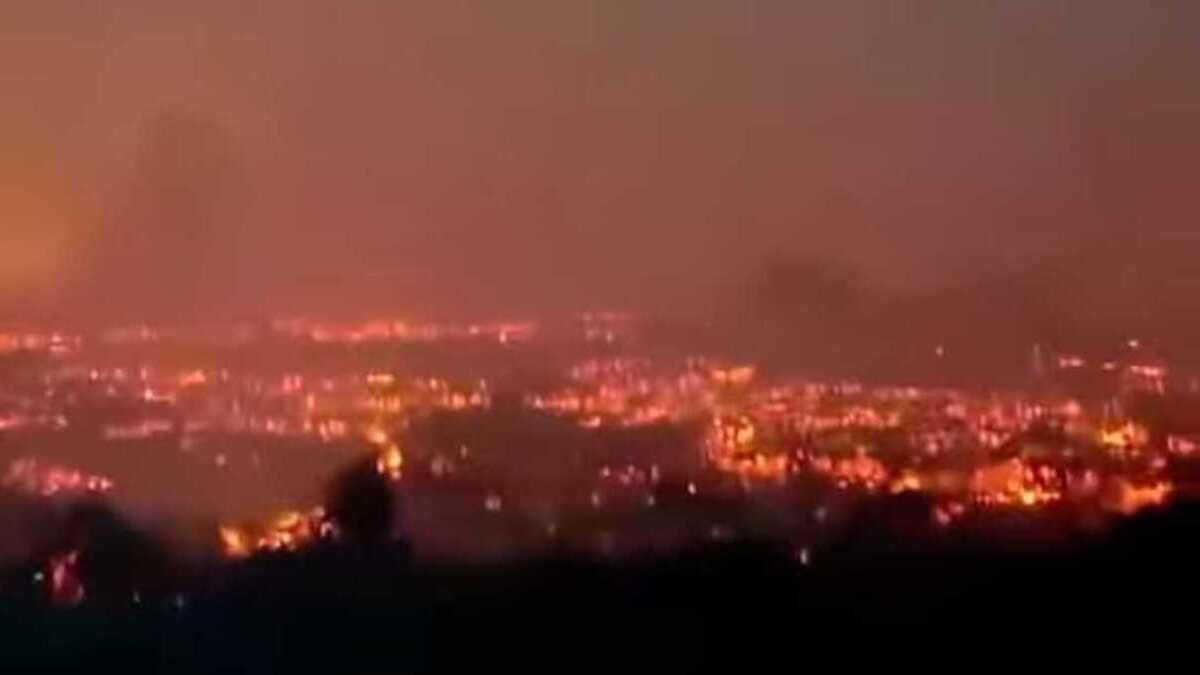
The recommendation comes as Indonesia continues to deal with fires across parts of Sumatra and Kalimantan. On 15 September, Indonesia reported 1,437 high-confidence hotspots, with Central Kalimantan recording 689, West Kalimantan 203, South Sumatra 116 and South Kalimantan 112. At the time, the ASEAN Specialised Meteorological Centre reported moderate transboundary haze over parts of Malaysia and Singapore.
Malaysia also records haze-related illnesses
Neighbouring Malaysia has reported health effects associated with the same regional haze episode, although its latest surveillance showed a decline in several monitored conditions.
Malaysia's Health Ministry said on 22 September that haze-related illnesses decreased during Epidemiological Week 37. Monitoring at 78 sentinel healthcare facilities recorded 722 asthma cases, down from 1,117 in the previous week, a fall of 35.36 per cent.
Cases of conjunctivitis fell from 334 to 227, while upper respiratory tract infections declined from 7,065 to 5,639. The ministry said it would continue monitoring health effects, particularly in areas experiencing unhealthy air quality.
Malaysia nevertheless continued to record unhealthy air quality in parts of the country. On the afternoon of 22 September, 11 areas in Sarawak recorded unhealthy Air Pollutant Index readings, with Sibu registering 175, followed by Mukah and Sri Aman at 172. Kuching recorded 159 and Serian 159.
Malaysia's Health Ministry said its response included continued monitoring of respiratory infections, asthma and conjunctivitis, while ensuring healthcare facilities had sufficient medicines, oxygen supplies and medical equipment. The National Haze Operations Room, activated on 4 September, was also continuing to coordinate monitoring and response efforts.
Singapore reports improving air quality
Singapore, which was also affected by transboundary haze earlier in September, reported more moderate conditions on 22 September.
The National Environment Agency said the 24-hour Pollutant Standards Index was between 59 and 77 at 6pm on Tuesday, within the moderate range, while one-hour PM2.5 concentrations were between 11 and 21 micrograms per cubic metre.
The agency said showers had occurred in Singapore and surrounding areas, while moderate to dense smoke plumes remained visible over parts of Kalimantan and southern Sumatra. It forecast a moderate 24-hour PSI for Singapore for the following day.
Despite the improvement in Singapore, the NEA said dry conditions were expected to continue over parts of Kalimantan and south-eastern Sumatra. It advised residents to use the one-hour PM2.5 readings for immediate outdoor-activity decisions and the 24-hour PSI forecast for planning activities.
Indonesia's Health Ministry said it would continue monitoring the situation and maintaining health responses while forest and land fires and smoke exposure persisted.