APHR urges UN and ASEAN to act against Rohingya massacre in Myanmar
ASEAN Parliamentarians for Human Rights calls for urgent UN and ASEAN intervention to stop the Arakan Army's attacks on Rohingya in Myanmar. Mercy Chriesty Barends highlights the critical need for immediate action to prevent genocide.


In a pressing appeal to global authorities, parliamentarians from Southeast Asia are urging the United Nations (UN), the Association of Southeast Asian Nations (ASEAN), and the international community to intervene swiftly to halt the ongoing assault on Rohingya civilians by the Arakan Army in northern Rakhine State, Myanmar.
Mercy Chriesty Barends, Chair of the ASEAN Parliamentarians for Human Rights (APHR) and an Indonesian Member of Parliament, expressed profound alarm over the escalating violence.
"We are extremely alarmed and concerned by reports that the Arakan Army is indiscriminately attacking Rohingya civilians in northern Rakhine State," Barends stated. "It is imperative that the international community act quickly to prevent further catastrophic loss of life and potential genocide."
Recent reports from reliable sources indicate that since Friday (17 May), the Rohingya in Buthitaung town and nearby villages have been subjected to attacks involving heavy weapons.
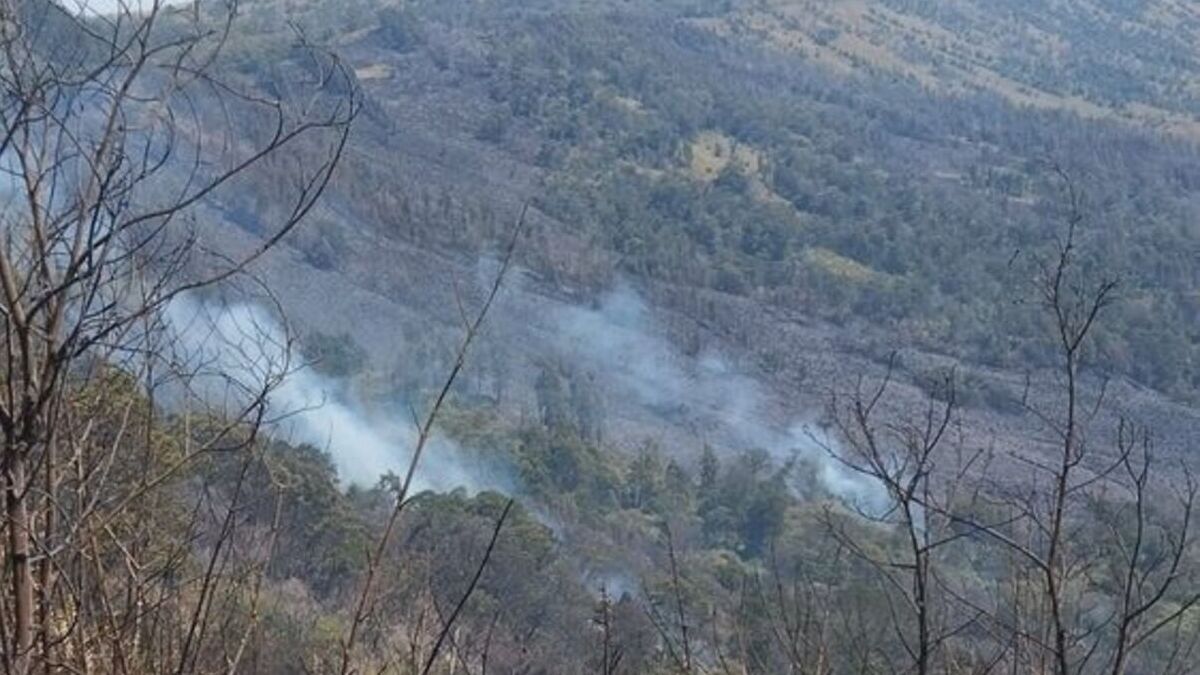
Eyewitness accounts describe Buthitaung Town being set ablaze and its residents, including the Rohingya, being forced to flee. Homes in several village tracts, including that of U Shwe Maung, a board member of APHR and former MP of Buthitaung, have been destroyed. There are also unverified reports of mass killings in the area.
This surge of violence mirrors the brutal "clearance operations" carried out by Myanmar's security forces in 2017, which led to severe human rights violations and displaced over 730,000 people.
In 2019, the International Court of Justice (ICJ) was approached by Gambia, supported by the Organisation of Islamic Cooperation (OIC), with accusations against Myanmar for breaching the Genocide Convention.
The ICJ responded in January 2020 with provisional measures mandating Myanmar to prevent genocidal acts against the Rohingya—a directive seemingly ignored by both Myanmar's military junta and the Arakan Army.
Barends highlighted the dire consequences of inaction: "There is no doubt that if no action is taken, countless lives will be lost, with even more displaced from their homes, further exacerbating the refugee crisis in the region."
She continued, "The Rohingya people have already suffered immensely; allowing further atrocities against them would be an unforgivable neglect of the principles of decency and humanity that the international community claims to uphold."
The APHR's urgent call emphasizes the critical need for the UN, ASEAN, and all concerned nations to act decisively to end the atrocities and safeguard the lives of the Rohingya community.