Drone contractor suspected of National Security Act breach, fraud in Taiwan
Two Kaohsiung technology executives are suspected of breaching the National Security Act and committing fraud, after prosecutors said a military drone contract used concealed Chinese-made components, allegedly sourced via Taobao.
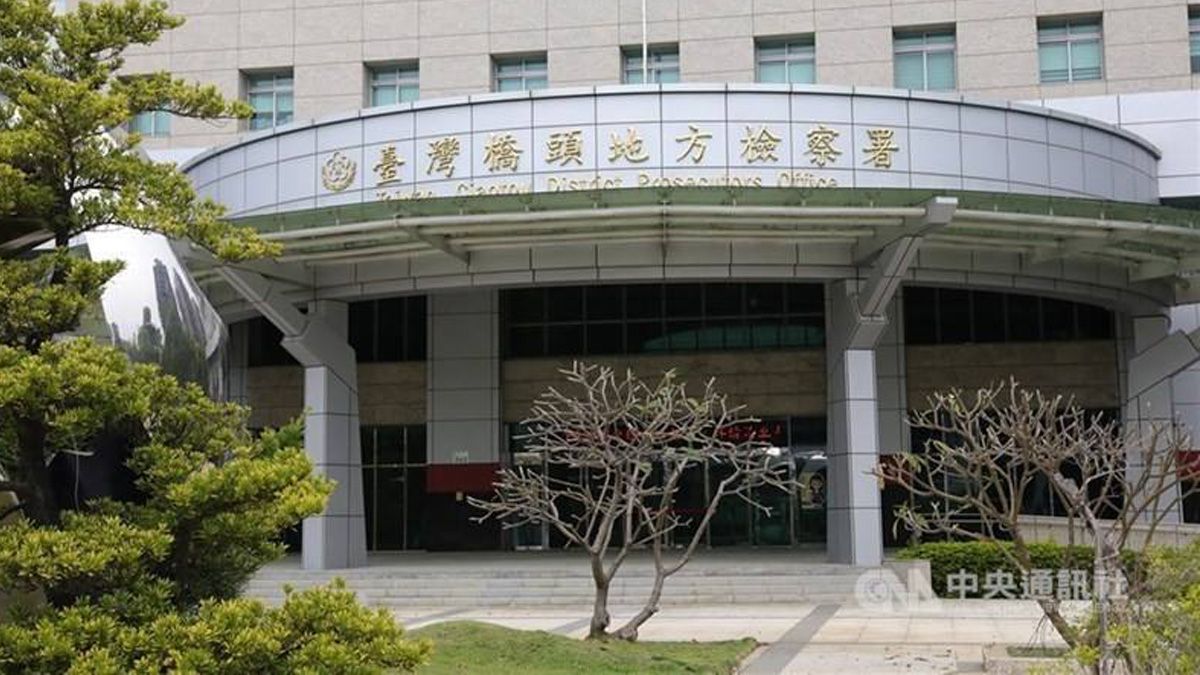

Taiwan's Ciaotou District Prosecutors' Office in Kaohsiung has sought the detention of two people suspected of contravening the National Security Act and attempting fraud in a military drone procurement contract, prosecutors said.
A source familiar with the matter told the Taipei Times that the components were sourced from Chinese e-commerce platform Taobao.
The court ordered one suspect, surnamed Chang, detained and held incommunicado. A second suspect, surnamed Lo, was released after questioning. Both individuals' full names have been withheld in official releases, consistent with standard protections for suspects under investigation.
Background to the procurement contract
The Ciaotou District Prosecutors' Office said it had received a referral from the 8th Army Corps concerning a drone procurement contractor's alleged use of components manufactured in China, Hong Kong and Macau.
Prosecutors said Hang Jian Technology won the 8th Army Corps' drone procurement contract last year with a bid of NT$2.95 million (US$92,616), against an original estimate of more than NT$4 million.
A source familiar with the matter said the company, seeking a larger profit margin after underbidding the contract, sourced components entirely from Taobao rather than from approved suppliers.
Allegations of concealment
Chang, identified as the head of Hang Jian Technology, and Lo, described as a technical director at Real Plus Technology, allegedly procured Chinese-made drone chips, flight control boards and other components to assemble the drones supplied under the contract, prosecutors said.
The two are accused of concealing product labels and submitting false certificates of origin in order to pass the drones off to the military as compliant with contract specifications, according to the Ciaotou District Prosecutors' Office.
Prosecutors said evidence was seized from the two technology companies and other locations during a search on Tuesday, 11 August 2026, after which defendants and witnesses were summoned for questioning.
Following questioning, prosecutors said they suspected Chang and Lo of contravening the National Security Act and of attempting fraud under the Criminal Code.
The Ciaotou District Prosecutors' Office cited Article 11(1)(1) and Article 12(1) of the National Security Act, which concern the delivery or provision of Mainland China-produced items, alongside Article 339(1) and (3) of the Criminal Code, covering attempted fraud.
Statements from prosecutors and the army
Ciaotou Chief Prosecutor Dr Kuo Ching-tung said defence contractors must comply with procurement rules and laws, given that procurement is tied to national security and the military's combat capabilities.
Kuo said authorities would investigate any attempts to evade inspections through false documents or other means, in order to ensure the quality of military equipment and to confirm that no prohibited products were involved.
The 8th Army Corps said it discovered the alleged use of Chinese-made components during an inspection, after which it withheld payment and referred the case to prosecutors for investigation.
Under the Government Procurement Act and the terms of the contract, the 8th Army Corps said the contractor would be suspended from future bidding, have its contract terminated, and be held liable for breach of contract.
The 8th Army Corps added that when contractors use products from prohibited sources and attempt to circumvent inspections using fake documents, the military investigates and refers such cases to the authorities for legal action. It said it would fully cooperate with the judicial investigation to safeguard the quality of military equipment, operational readiness and national security.