G7 condemns Iran's attack on Israel, warns of escalation risk
G7 leaders condemn Iran's attack on Israel, echoing US President Biden's call for a coordinated diplomatic response. Urgent concerns over escalating tensions were raised, emphasizing the critical need for restraint to prevent further destabilization in the Middle East.
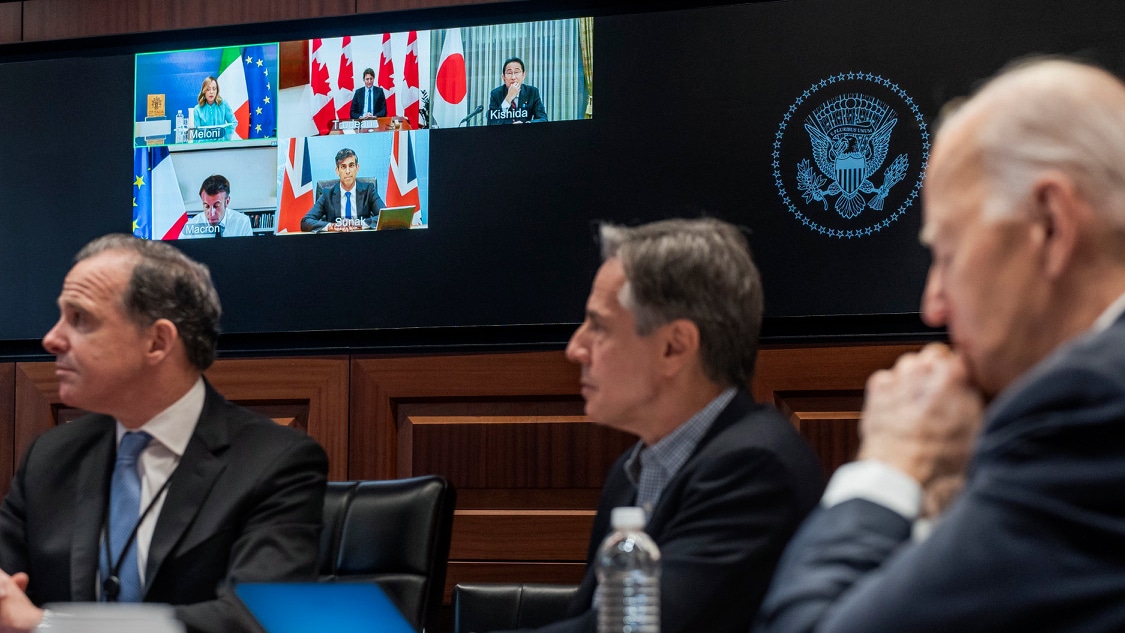

Leaders from the G7 nations convened under Italy's presidency to condemn Iran's recent attack on Israel, prompted by U.S. President Joe Biden's call for a coordinated diplomatic response to the assault involving drones and missiles.
Iran launched the assault in retaliation for Israel's attack on its consulate in Syria on 1 April, which resulted in the deaths of seven Revolutionary Guards officers, including two senior commanders.
The escalation of hostilities raised serious concerns among the G7 leaders about further destabilization in the volatile Middle East region.
Italy, representing the G7, emphasized the urgent need for restraint on Iran's part to prevent a potentially uncontrollable escalation.
The leaders expressed a collective determination to avert a situation that could spiral out of control, stressing the importance of de-escalation and diplomatic solutions.
During the video conference, which lasted under an hour, the G7 leaders called for Iran and its proxies to halt their attacks, emphasizing their readiness to take additional measures to counter any further destabilizing actions.
"In this spirit, we demand that Iran and its proxies cease their attacks, and we stand ready to take further measures now and in response to further destabilizing initiatives," it said.
President Biden conveyed to Israeli Prime Minister Benjamin Netanyahu that the United States would not participate in any retaliatory actions against Iran should Israel choose to respond.
This stance underscores the complex dynamics at play and the importance of diplomatic efforts to manage the situation.
In addition to addressing the Iran-Israel tensions, the G7 statement committed to pursuing an immediate and sustainable ceasefire in Gaza, where conflict has persisted for over six months.
This multifaceted approach reflects the G7's broader diplomatic efforts to address regional conflicts and promote stability.
Looking ahead, the G7 foreign ministers are scheduled to convene on the Italian island of Capri from April 17 to 19, underscoring ongoing engagement and collaboration among member states and the European Union in addressing pressing global challenges.
https://twitter.com/ShelleyGspan/status/1779563883188879845
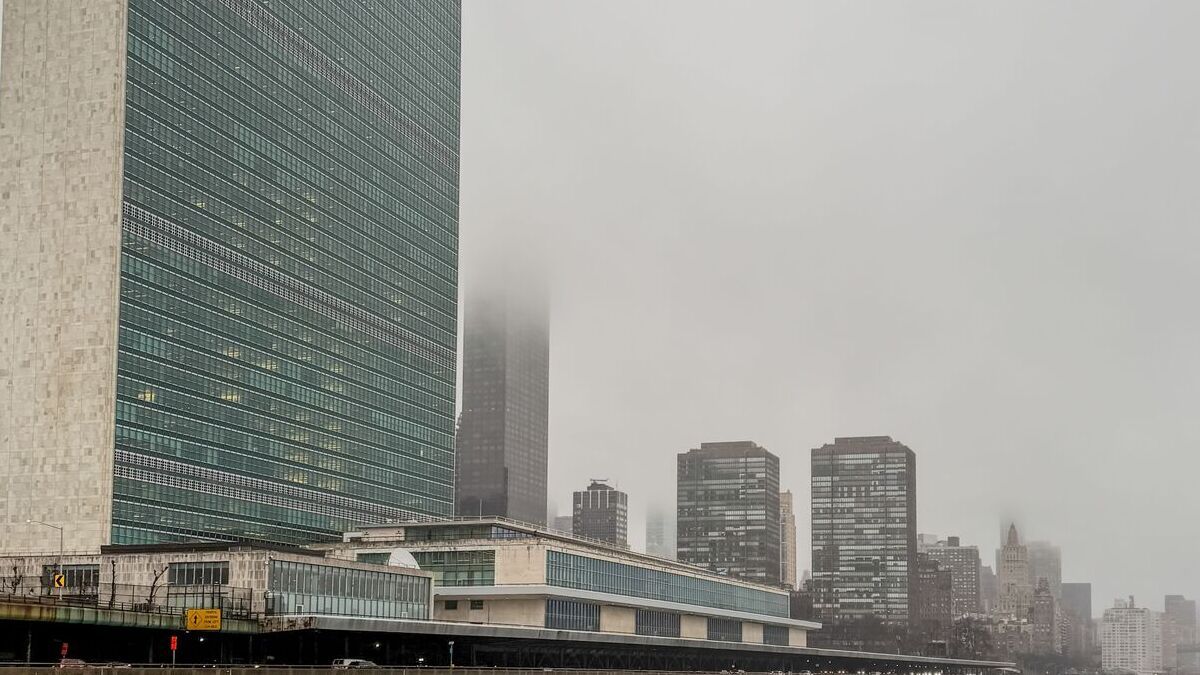
UN Chief urges restraint amid rising tensions between Iran and Israel
In a pressing appeal issued on Sunday (14 April), UN Secretary-General Antonio Guterres called for utmost restraint in the wake of Iran's retaliatory strikes on Israel late Saturday.
These strikes were prompted by Israel's attack on the Iranian consulate in Syria on 1 April, resulting in the deaths of seven Revolutionary Guards officers, including two senior commanders.
Guterres underscored the critical nature of the situation, stating, "The Middle East is on the brink. The people of the region are confronting the real danger of a devastating full-scale conflict. Now is the time to defuse and de-escalate. Now is the time for maximum restraint."
Iran initiated the assault on Saturday, launching numerous drones and missiles from its territory towards Israel, though most were intercepted.
However, several missiles reportedly struck Israeli territory, causing damage to a military facility in the southern part of the country and resulting in a few civilian injuries.
Iran's action was justified as a response to "Israeli recurring military aggressions, particularly its armed attack on April 1, 2024, against Iranian diplomatic premises (in Damascus)," according to a letter from Iran’s Permanent Representative to the UN, Amir Saeid Iravani, addressed to the president of the Security Council.
Reaffirming the principles of international law, Guterres reminded the global community that "the UN Charter prohibits the use of force against the territorial integrity or political independence of any state and that the principle of inviolability of diplomatic and consular premises and personnel must be respected in all cases."
He urged all parties to step back from the brink, emphasizing the imperative to avoid actions that could lead to significant military confrontations across multiple fronts in the Middle East, highlighting the grave consequences of escalation.