Taxi passenger in Vietnam criticised after allegedly paying just US$0.19 for a US$1.16 ride
Dashcam footage from Vietnam has drawn attention online after a passenger was accused of paying only VND5,000 for a VND30,000 taxi fare. The incident has prompted debate over fare disputes, cashless payment options and the treatment of local drivers by passengers.
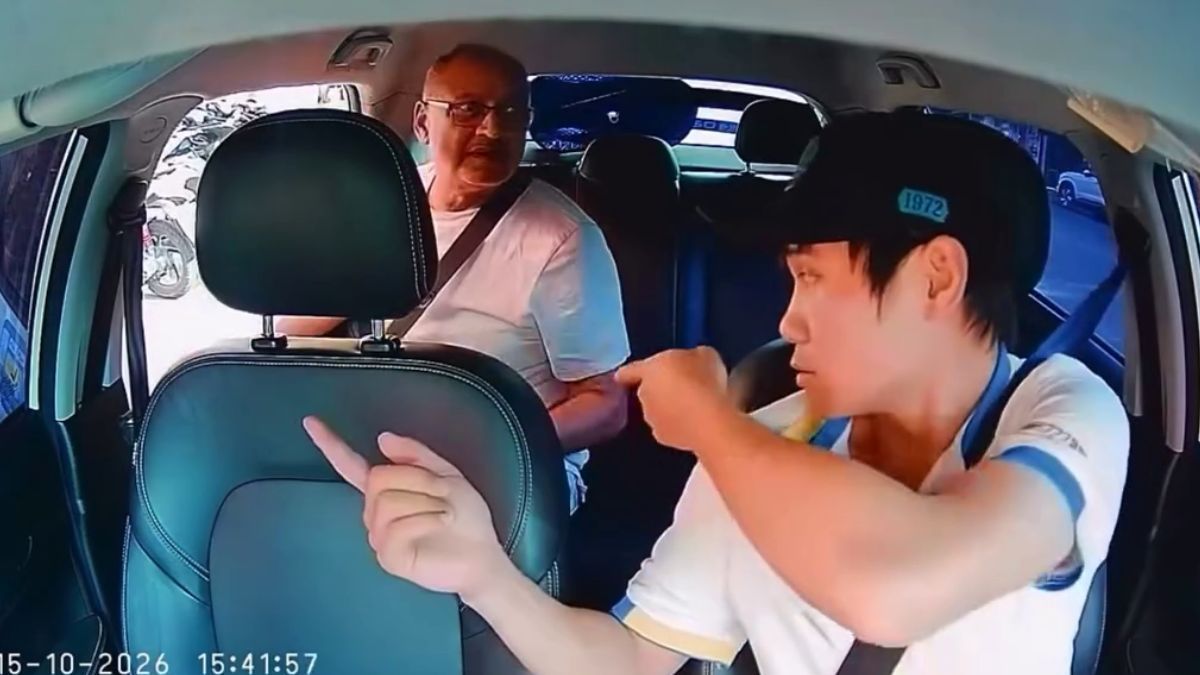

Dashcam footage reportedly recorded by a taxi driver in Vietnam has drawn attention on social media after a passenger was accused of paying less than the fare due upon reaching the destination.
The incident was shared on Threads on 16 October 2026.
According to the uploader, the footage was originally posted on Facebook, but received limited attention there.
The uploader subsequently shared it on Threads in an attempt to raise awareness of the incident.
Based on the timestamp visible in the footage, the incident appears to have taken place on 15 October 2026.
The Threads post alleged that the passenger was Indian and claimed that the taxi fare was VND30,000 (approximately US$1.16) but that the passenger paid only VND5,000 (approximately US$0.19).
In the caption, the uploader wrote: “Another Indian dodging a taxi fare in Vietnam, Again."
The uploader also questioned whether paying the remaining VND25,000 (approximately US$0.97) would make the passenger go bankrupt, adding, “If you can’t afford it, just walk.”
However, the passenger’s nationality and intentions have not been independently verified.
The available information also does not establish why the passenger allegedly paid only part of the fare or whether any further exchange took place between the passenger and driver.
Questions raised over taxi payment rules
Some commenters discussed whether taxi drivers in Vietnam were allowed to request payment before a journey ended, with suggestions that passengers might exploit the rules to avoid paying the full fare.

Vietnamese transport regulations require taxi passengers to pay fares according to the amount displayed on the meter or calculated through the relevant fare system.
The regulations also set out drivers’ responsibilities for collecting fares and issuing receipts after full payment.
They do not, in the provisions reviewed, establish a general prohibition on drivers requesting payment in advance.
For rides booked through Grab, the company’s published consumer terms describe cash payment for GrabTaxi, GrabCar and GrabBike as taking place after the journey ends.
It remains unclear whether the journey shown in the footage was booked through Grab or arranged through another taxi service.
Commenters call for cashless payments
One recurring suggestion in the comments was to restrict cash payments for certain passengers or require tourists to use electronic payment methods to reduce disputes over fares.

Another called on Grab Vietnam to introduce restrictions for passengers from a particular country.

The commenters proposed cashless payments as a way to reduce potential disputes between drivers and passengers.
However, the suggestions also went beyond the specific incident by calling for restrictions based on nationality.
Other visitors say they pay extra to support drivers
Other commenters focused on the relatively low fare and the importance of ensuring local drivers receive fair payment for their work.
One commenter described choosing to pay more than the stated fare when visiting Vietnam.

The comment expressed sympathy for local drivers and argued that paying extra was one way to support people earning a living through transport services.