Prabowo approves foreign assistance to fight Indonesia’s forest fires
Indonesian President Prabowo Subianto has approved foreign assistance to combat forest and land fires causing severe haze across Southeast Asia, with disaster officials preparing technical arrangements amid criticism over the government’s response.

- President Prabowo Subianto has approved foreign assistance to combat forest and land fires affecting Indonesia and neighbouring countries.
- Indonesia’s disaster management agency will assess domestic resources and determine how international support can be deployed.
- The decision follows criticism of the government’s crisis response, delayed acceptance of assistance and refusal to declare a national disaster.

Indonesia’s President Prabowo Subianto has approved foreign assistance to help fight forest and land fires that have caused severe haze across Southeast Asia, Foreign Minister Arrmanatha Nasir said on Thursday, 15 October.
The decision comes after days of uncertainty over whether Indonesia would accept offers of assistance from neighbouring countries, particularly Malaysia and Singapore, as air pollution worsened and criticism mounted over the government’s response to the crisis.
Arrmanatha said discussions on the assistance had entered the technical stage, with Indonesia’s National Disaster Management Agency (BNPB) responsible for working out the arrangements.
He did not identify which countries’ offers had been accepted or specify the type of assistance expected.
“The assistance that neighbouring countries wish to provide has already been discussed and is now being processed,” Arrmanatha said after a closed-door meeting with the Indonesian parliament’s Commission I in Jakarta, according to state news agency ANTARA.
“The president has also given his approval, and discussions are now underway at the technical level,” he added.
Arrmanatha said Prabowo was paying close attention to the fires because of their impact on Indonesian provinces and the wider region.
The announcement followed the appointment of Lieutenant General Kristomei Sianturi as the new head of BNPB on Thursday. Kristomei said he would first assess Indonesia’s available resources before determining what foreign assistance could be used.
“I will gather information on our assets and what we can already do, both at regional and central government levels. Then we will see what assistance from abroad we can accelerate together,” he said, as quoted by Indonesian news outlet Suara.com.
The government has deployed 60,177 personnel from firefighting services, the military, police, forestry agencies and volunteer groups to deal with the fires, according to figures reported by ANTARA as of 13 October.
Backlash over delayed acceptance of foreign assistance
Prabowo’s approval followed criticism of the government’s earlier reluctance to accept international assistance and its decision not to declare the fires a national disaster.
On Monday, 12 October, Coordinating Minister for Political and Security Affairs Dudung Abdurachman said the government did not intend to declare a national disaster, arguing that Indonesia remained capable of handling the fires.
“Not yet, not yet. We are still capable of handling it,” Dudung told reporters after a meeting chaired by Prabowo at the Presidential Palace in Jakarta.
Dudung also said that offers of foreign assistance had not been discussed at the meeting, although he acknowledged concerns from neighbouring countries about the transboundary haze.
The remarks prompted questions about why Indonesia was not making use of assistance offered while firefighting operations continued across affected provinces.
Environmental groups criticised the government’s handling of the crisis. Belgis Habiba, a forest campaigner at Greenpeace Indonesia, told The Jakarta Post that the scale of the fires and their impact on communities warranted declaring a national disaster.
She also criticised the authorities for failing to prevent the fires despite warnings about the risk of prolonged drought associated with El Niño.
Uli Arta Siagian, a campaigner with the Indonesian Forum for the Environment (Walhi), questioned the government’s response and its reluctance to accept outside assistance.
“The government has struggled with a crisis of its own making from the get-go. It should’ve taken stronger mitigation efforts early on,” she told The Jakarta Post.
Siagian also argued that accepting foreign assistance should not mean treating the fires as solely a natural disaster, which could diminish scrutiny of companies responsible for fires on their concession land.
The government has also faced criticism over remarks by Syahganda Nainggolan, head of the Government Communications Agency (BAKOM), who said Indonesia’s tropical forests supplied oxygen to Malaysia and Singapore when they were not sending smoke across the region.
“We don’t just send smoke; when there is no smoke, we send oxygen,” Syahganda said in a video interview published by Kompas. The comments drew criticism and ridicule on social media while people in Indonesia and neighbouring countries were dealing with the effects of the haze.
The controversy added to scrutiny of Jakarta’s response to complaints from neighbouring countries. Malaysia and Singapore had offered assistance as the fires continued to affect air quality, public health, schools and transport.
Malaysia and Singapore among countries offering help
Malaysia has offered support to Indonesia’s firefighting operations. According to ANTARA, Malaysian Deputy Prime Minister Ahmad Zahid Hamidi offered one aircraft, three helicopters and 52 firefighting personnel during a meeting with Prabowo in Hambalang, West Java, on 18 September.
Singapore has also offered firefighting assistance as the haze worsened. However, Indonesian officials had not publicly detailed the proposed arrangements before Arrmanatha’s announcement on Thursday.
The latest decision means BNPB will now work on the technical and operational arrangements for assistance. Newly appointed BNPB chief Kristomei said the agency would first assess domestic resources and determine which outside support could be deployed quickly.
The scope, timing and precise form of the assistance remain unclear.
Fires continue to affect Indonesia and its neighbours
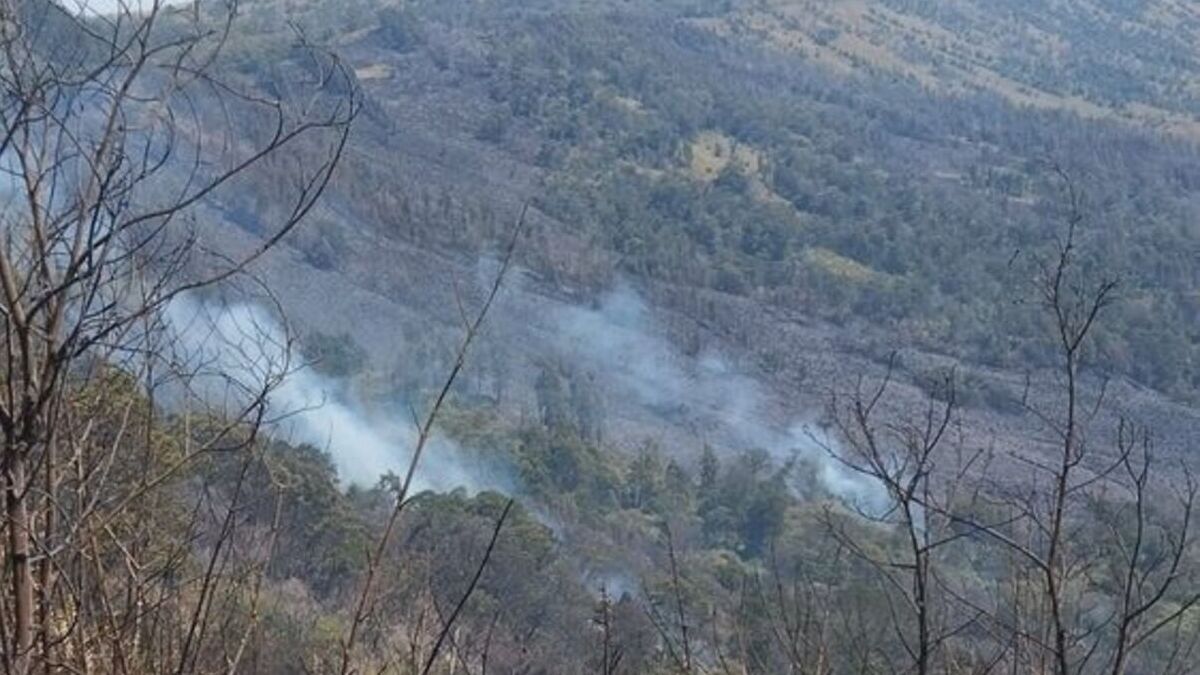
The fires have spread across parts of Sumatra and Kalimantan, where prolonged dry conditions and burning peatlands have made some blazes difficult to extinguish. Smoke has affected air quality in Indonesia and travelled to neighbouring countries, including Malaysia and Singapore.
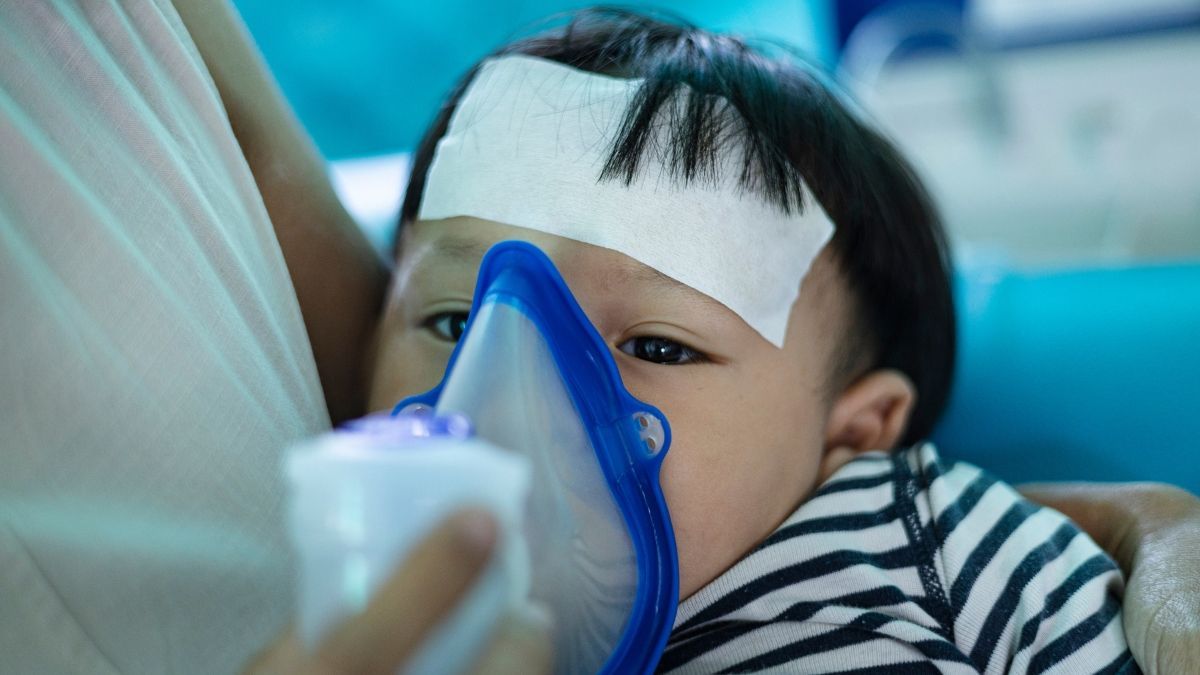
The crisis has disrupted daily life, contributed to respiratory illness and prompted school closures in affected areas. Malaysia has also reported disruptions to air travel, while Singapore has faced elevated pollution readings.
Indonesian authorities have deployed tens of thousands of personnel and aircraft for firefighting and weather-modification operations.
But environmental groups and affected communities have continued to call for stronger prevention measures, more effective enforcement and greater accountability for those responsible for illegal burning.
The approval of foreign assistance marks a change from the government’s position earlier in the week. The practical impact will depend on the support ultimately agreed and how quickly it can be deployed to the affected areas.