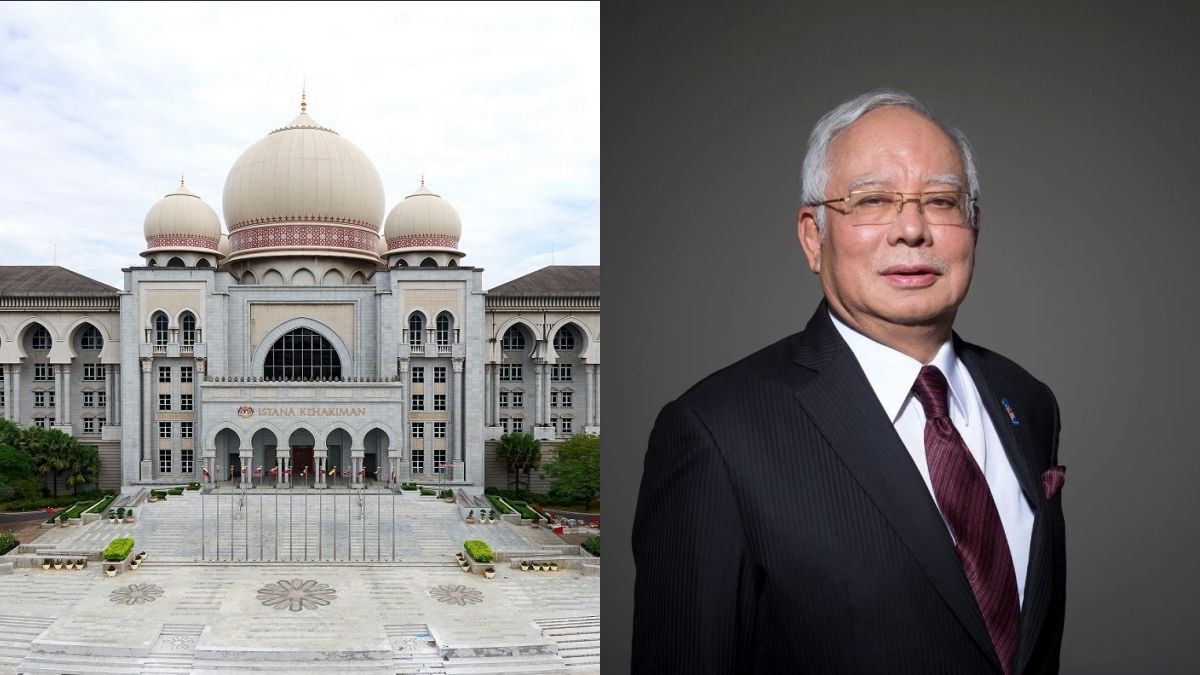
Malaysian High Court rejects ex-PM Najib's bid to delay 15-year jail term over multibillion-dollar 1MDB scandal
Malaysia's High Court has rejected former prime minister Najib Razak's request to delay a 15-year prison sentence and RM11.38 billion fine in the 1MDB corruption case, despite a conditional royal pardon allowing house arrest in a separate case.
- Malaysia's High Court rejected Najib Razak's request to suspend his 15-year prison sentence and RM11.38 billion fine.
- A conditional royal pardon allows Najib to serve his existing sentence at home if he pays RM50 million.
- Najib's additional prison term is scheduled to begin in August 2028, and his lawyers have appealed the conviction.

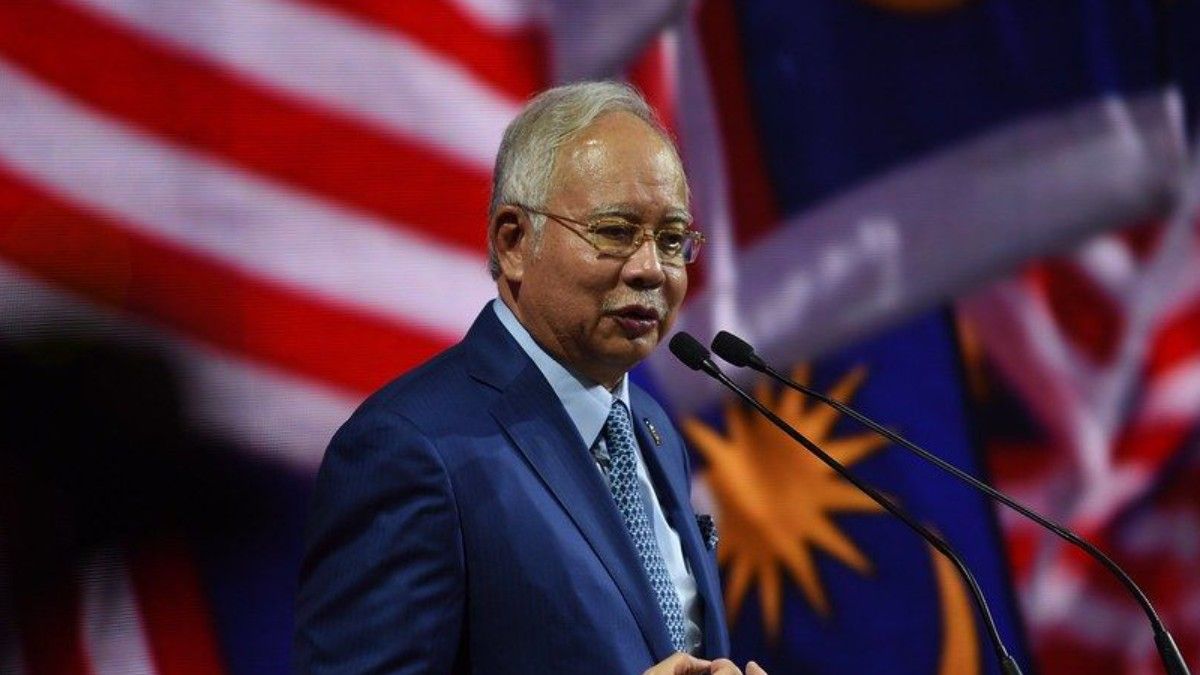
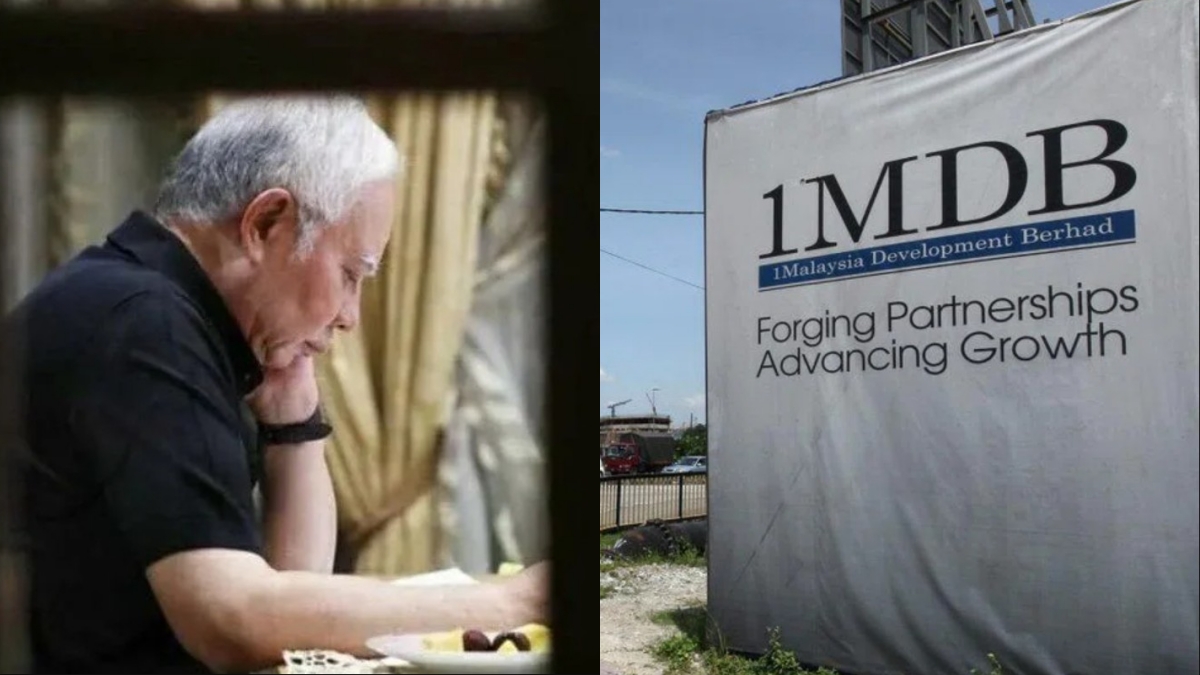
PUTRAJAYA, MALAYSIA: Malaysia's High Court has rejected former prime minister Najib Razak's application to suspend a 15-year prison sentence and RM11.38 billion (approximately US$2.79 billion) fine imposed over the multibillion-dollar 1Malaysia Development Berhad (1MDB) corruption scandal.
The ruling comes despite expectations that Najib, 73, could soon be transferred to house arrest following a conditional royal pardon in a separate corruption case.
Judge Noor Ruwena Md Nordin on 14 October ruled that there were no special circumstances justifying a suspension of the sentence.
"Therefore on final merit, the application is accordingly dismissed," the judge said.
Royal pardon allows conditional house arrest
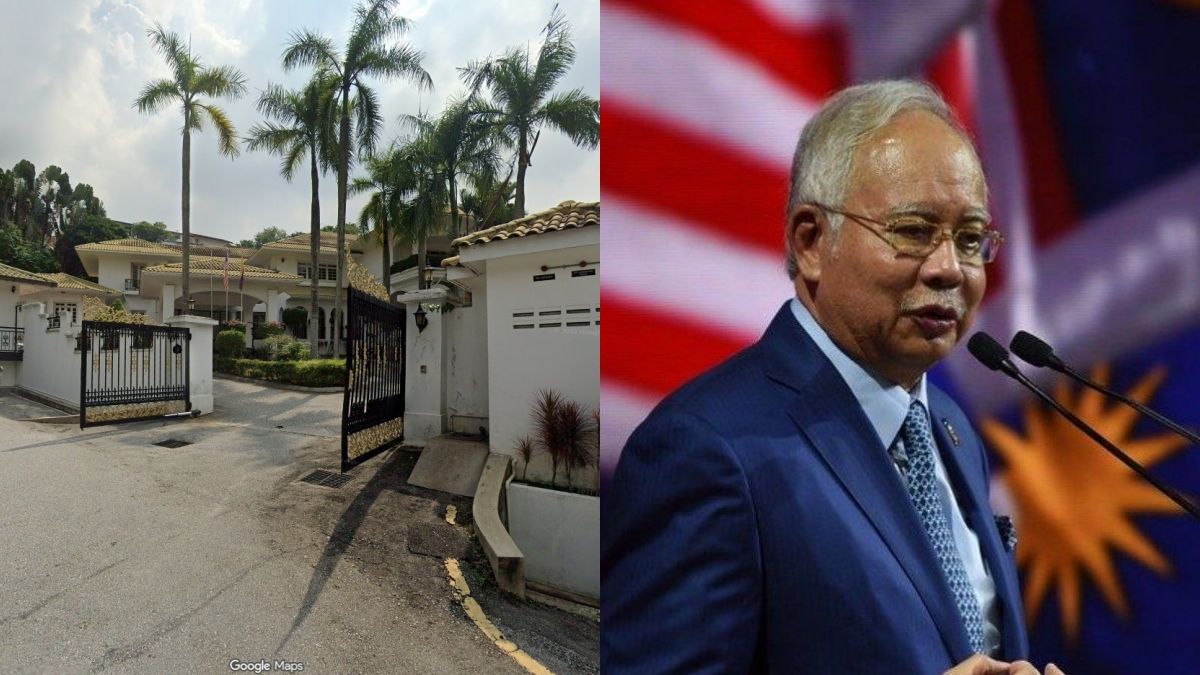
In September 2026, Malaysia's King, Sultan Ibrahim Sultan Iskandar, granted Najib a conditional pardon allowing him to serve the remainder of his existing six-year prison sentence at home.
The arrangement requires Najib to pay a RM50 million (approximately US$12.2 million) fine.
Najib has been imprisoned at Kajang Prison since 23 August 2022, after Malaysia's Federal Court upheld his conviction in a corruption case involving SRC International, a former subsidiary of 1MDB.
His political party, the United Malays National Organisation (UMNO), has launched a fundraising campaign to help pay the fine.
Najib's lawyers have said a significant portion of his assets remains frozen or subject to enforcement proceedings.
Additional 15-year sentence to begin in 2028
The latest ruling concerns a separate 1MDB corruption conviction handed down on 26 December 2025.
Then High Court judge Collin Lawrence Sequerah sentenced Najib to 15 years' imprisonment after finding him guilty of four counts of abuse of power and 21 counts of money laundering.
The four prison sentences run concurrently, meaning Najib serves them at the same time rather than consecutively.
The court also imposed an RM11.38 billion fine, with an additional 10-year prison term for each abuse-of-power charge if the corresponding fine remains unpaid.
Najib was separately ordered to pay approximately RM2.08 billion as a recoverable sum linked to the money-laundering offences.
His additional 15-year sentence is scheduled to begin in August 2028, after completion of his existing sentence.
Najib's lawyers filed an appeal against the conviction on 29 December 2025.
Billions allegedly stolen from state investment fund
1MDB was established in 2009 during Najib's premiership to support Malaysia's economic development.
United States and Malaysian investigators have said at least US$4.5 billion was stolen from the fund, including approximately US$1 billion that entered accounts linked to Najib.
Najib, who served as prime minister from 2009 to 2018, has apologised for his handling of the scandal but maintains his innocence.
He claims he was misled about the origins of funds transferred into his accounts.
Despite his imprisonment, Najib retains considerable support within UMNO and the Barisan Nasional (BN) coalition.
BN is part of Malaysia's current unity government alongside Prime Minister Anwar Ibrahim's Pakatan Harapan (PH) coalition and several Borneo-based political parties.
Najib's lawyer, Muhammad Shafee Abdullah, previously suggested that the former premier could return to politics if pardoned and released from prison.