Eleven sailors missing after drone attack sinks cargo ship off Bulgaria
Eleven sailors remain missing after a drone attack sank the cargo ship Azov Concord off Bulgaria’s Black Sea coast, prompting a diplomatic response and calls for EU and NATO assistance. A second vessel was struck, but all 15 crew members were rescued.
- Eleven sailors remain missing after the Azov Concord sank following a drone attack off Bulgaria’s Black Sea coast.
- All 15 crew members aboard the Chelsea 3 were rescued after three aerial drones struck the vessel.
- Bulgaria has summoned Russia’s ambassador and requested EU and NATO assistance while investigating the attacks.

Eleven sailors were missing at sea on Tuesday (13 October) after a drone attack sank a cargo ship off Bulgaria’s Black Sea coast, in the second deadly sinking of a commercial vessel in the area in a week.
Bulgarian authorities said one crew member had been rescued from the sunken vessel, while a second ship struck in a separate attack was evacuated.
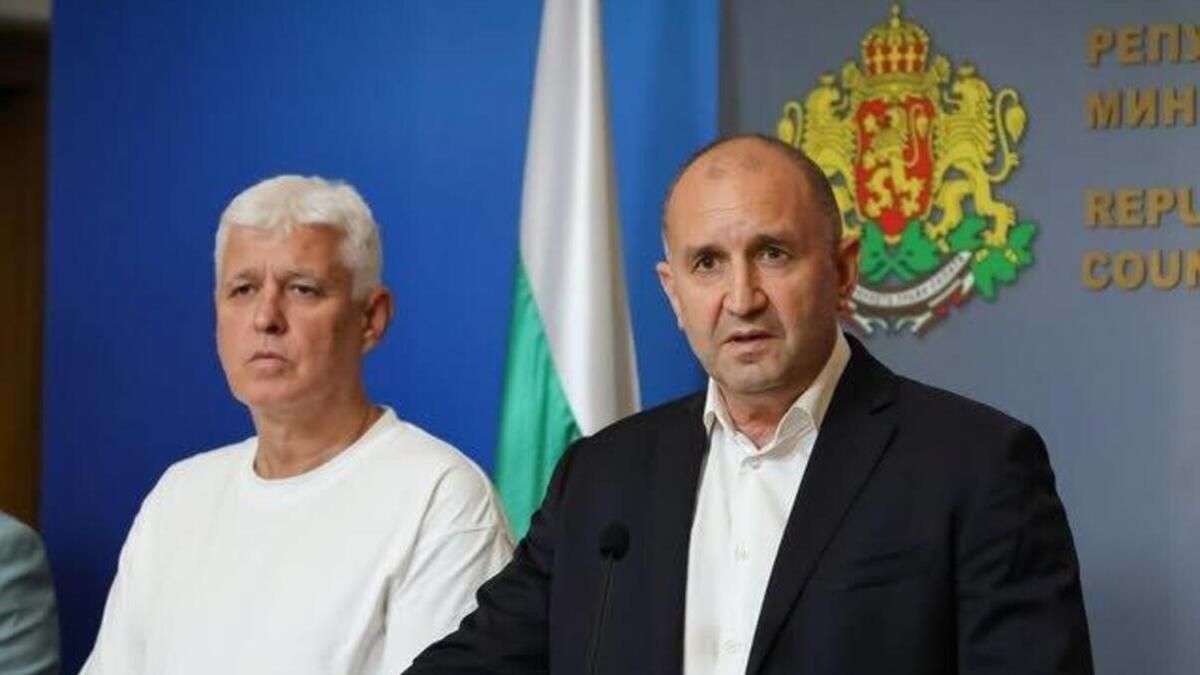
The incidents prompted Bulgarian Prime Minister Rumen Radev to summon Russia’s ambassador and seek technical assistance from the European Union and NATO to investigate the attacks.
Bulgaria has not directly accused Russia of carrying them out, saying it lacks clear evidence identifying the source of the drones.
The sunken vessel was identified by Bulgarian media as the Azov Concord. It went down near the coastal village of Krapets, while the second vessel, the Maltese-flagged Chelsea 3, was struck by three aerial drones.
All 15 crew members aboard the Chelsea 3 were rescued, including seven Ukrainians and eight Azerbaijanis.
The attacks have heightened concerns about the safety of commercial shipping in the Black Sea, where maritime routes have increasingly been exposed to the consequences of Russia’s war against Ukraine.
One crew member rescued from sunken vessel
The Bulgarian government said the sunken ship was struck about 17 miles east of Krapets.
One crew member was rescued, while 11 remained missing, according to an official statement issued after an emergency meeting of the government’s Security Council on Tuesday.
The precise circumstances of the sinking, including the origin of the drones, had not been established. The vessel’s Türkiye-based manager was not immediately available for comment, Reuters reported.
The incident was the second time in a week that a commercial ship had sunk following a drone attack in Bulgaria’s Black Sea economic zone.
Bulgaria’s Maritime Rescue Coordination Centre in Varna responded to the latest incidents.
The government said the rescue of the Chelsea 3’s crew was completed and the sailors were transported to the port of Varna. Five received medical assistance.
Radev described the attacks as “absolutely unacceptable” and said Bulgaria would seek support to strengthen surveillance of its airspace and maritime areas.
The government has also requested assistance from the European Maritime Safety Agency after Bulgarian authorities failed to find drone wreckage that could help establish their origin.
Bulgaria summons Russian ambassador
Radev said Bulgaria did not have solid and clear evidence to accuse any country of responsibility for the attacks. However, he said the outcome of the incidents appeared to benefit Russia.
“We do not have solid and clear evidence to bring accusations against any of the parties, but logic, as I have already stated, indicates that the result is in favour of the Russian Federation,” Radev said, according to the Bulgarian government.
He announced that Russia’s ambassador to Bulgaria, Eleonora Mitrofanova, would be summoned for a meeting.
Moscow had not issued an immediate public response to Tuesday’s attacks, according to Reuters and the Associated Press.
The Bulgarian government said it had notified its permanent representatives to NATO and the EU and would seek assistance with the investigation. Radev also planned to speak with NATO Secretary-General Mark Rutte.
In a statement on Monday (12 October), the government said it had written to European Council President António Costa, European Commission President Ursula von der Leyen and Rutte, requesting technical assistance to establish responsibility for the attacks.
Investigators are expected to examine physical evidence, satellite data and other information collected during the incidents. Bulgaria has said it intends to pursue diplomatic and legal measures under international law once responsibility has been established.
Ukraine and EU condemn attacks
Ukraine and the European Union condemned the latest strikes, describing them as a threat to civilian lives and maritime security.
European Commission President Ursula von der Leyen said the Black Sea had become another front in the escalation of Russia’s war against Ukraine.
“The Black Sea has become another front of escalation of the Russian war in Ukraine,” she wrote on X. “Those responsible should be held accountable.”
Ukraine’s Foreign Minister Andrii Sybiha accused Moscow of disregarding civilian lives.
“Russia’s latest attack on commercial vessels near Bulgaria’s territorial waters, which injured Ukrainian and Azerbaijani citizens, once again demonstrates Moscow’s deliberate disregard for civilian lives and maritime security in the Black Sea,” Sybiha wrote.
He said Ukraine was urging its partners to increase pressure on Russia, strengthen sanctions and take action to protect freedom of navigation.
Sybiha also described the Black Sea as a lifeline for global food security, accusing Russia of using attacks on maritime transport to threaten food supplies.
Neither Bulgaria nor the EU has publicly established who carried out the latest attacks.
Another ship sank a week earlier
The latest incident followed a drone attack on commercial vessels in Bulgaria’s Black Sea exclusive economic zone about a week earlier.
A Togo-flagged cargo ship, identified in reports as the Alfa Watan, sank after an attack involving aerial and maritime drones. Ten sailors — nine Syrians and one Egyptian — were reported missing.
A second vessel was also hit during that incident, but its crew was rescued.
Bulgaria halted its search for the missing sailors from the Alfa Watan on 7 October. Syria subsequently called for an independent investigation into the sinking and urged Bulgarian authorities and the International Maritime Organization to continue efforts to establish what happened.
The latest attacks have prompted renewed scrutiny of Bulgaria’s ability to monitor and protect commercial shipping in its economic zone. The government has said it needs additional technical assistance to identify the drones and determine where they originated.
Black Sea shipping increasingly exposed to the war
The Black Sea is a major transport route for agricultural commodities, including grain exported by Russia and Ukraine, two of the world’s largest grain suppliers.
Since Russia launched its full-scale invasion of Ukraine in February 2022, attacks on ports and commercial shipping have disrupted established trade routes.
Russian strikes on Ukrainian Black Sea ports have forced Ukraine to rely more heavily on Danube River ports and shipping routes closer to the coastlines of NATO members Bulgaria and Romania.
Ukraine has also increasingly targeted Russian grain-exporting vessels in other parts of the Black Sea and in the Sea of Azov, near the mouth of the Don River.
The latest incidents have added to concerns about the risks faced by civilian crews operating in waters near the conflict. The attacks took place close to Bulgaria’s territorial waters, although the vessels were reported to be in the country’s exclusive economic zone.
Bulgaria has called for stronger maritime and aerial surveillance and greater capacity to respond to drone threats. The government said it would continue working with the EU and NATO to investigate the incidents and identify those responsible.
As of Tuesday, 11 sailors remained missing from the Azov Concord, while the crew of the Chelsea 3 had been rescued. The origin of the drones and the circumstances surrounding the sinking remained under investigation.