Nadiem Makarim’s prison sentence cut to nine years in Indonesia Chromebook corruption case
Indonesia's Jakarta High Court has cut former education minister Nadiem Makarim's prison sentence to nine years and reduced his compensation order to Rp548.76 billion.

- Jakarta High Court reduced Nadiem Makarim's prison term from 10 years to nine years.
- The court cut his compensation order from Rp809.6 billion to Rp548.76 billion.
- Nadiem, a Gojek co-founder, said he would appeal to Indonesia's Supreme Court.

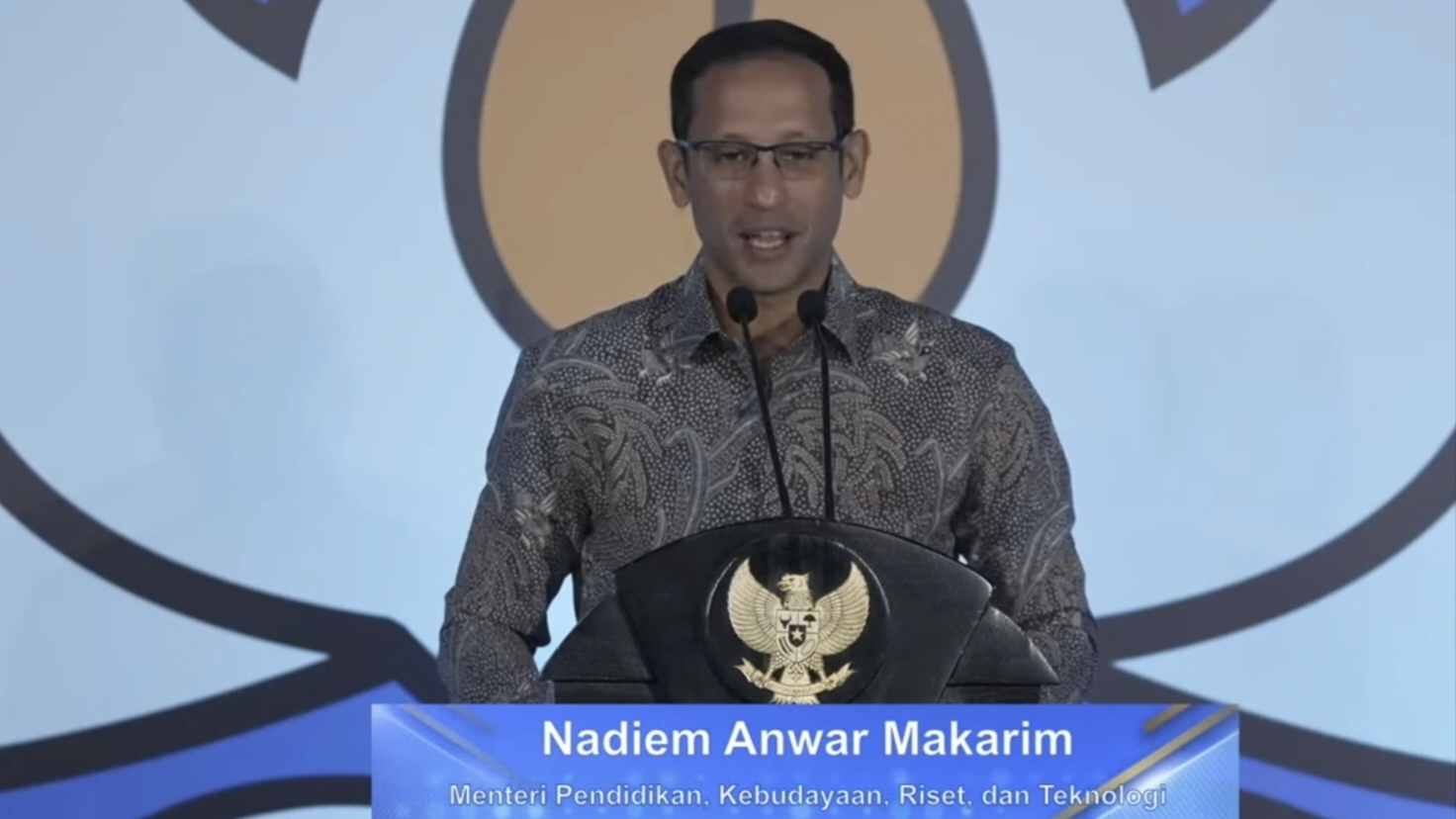
Former Indonesian education minister Nadiem Makarim has had his prison sentence reduced from 10 years to nine years by the Jakarta High Court in a corruption case involving the procurement of Chromebook laptops for Indonesia's education system.
The Jakarta High Court on Thursday (24 September) also reduced the amount Nadiem was ordered to repay to the state from Rp809.6 billion (about US$45.2 million) to Rp548.76 billion (about US$30.6 million).
The court retained a Rp1 billion fine, but reduced the substitute prison term for the fine from 190 days to 140 days. If Nadiem cannot pay the compensation and his assets are insufficient to cover it, he will face an additional six-year prison term.
The High Court's official schedule lists the appeal under case number 41/PID.SUS-TPK/2026/PT DKI, arising from the Jakarta Central District Court case involving Nadiem. The agenda on 24 September was the delivery of the judgment.
What the case concerns
The case centres on the Indonesian government's procurement of Chromebook laptops and Chrome Device Management (CDM) services as part of a digitalisation programme at the Ministry of Education, Culture, Research and Technology between 2019 and 2022.
The Jakarta Central District Court convicted Nadiem in June of corruption committed jointly, while acquitting him of the primary charge. It sentenced him to 10 years in prison, imposed a Rp1 billion (US$55,800) fine and ordered him to pay Rp809.597 (US$45.2 million) billion in compensation.
The Supreme Court's official news service reported that the original judgment was delivered on 30 June and that one judge issued a dissenting opinion. The judge argued that the evidence did not establish the required criminal intent and unlawful conduct.
Prosecutors had alleged that decisions concerning the procurement favoured Google's Chrome OS and were connected to business interests involving Nadiem's former company, PT Aplikasi Karya Anak Bangsa (AKAB).
During the trial, prosecutors also raised an agreement between AKAB and Google Asia Pacific involving more than US$349 million in investment. The prosecution argued that the agreement was relevant to its case concerning the procurement decisions.
Nadiem and his defence team have disputed the allegations.
State losses and the appeal
Prosecutors had alleged that the Chromebook procurement caused substantial losses to the Indonesian state. A BPKP expert who testified during the trial put the losses from the Chromebook procurement at about Rp1.5 trillion (US$87.7 million).
The prosecution also presented calculations concerning CDM procurement, bringing its estimated total state loss to about Rp2.18 trillion (US$121.4 million).
The first-instance court subsequently ordered Nadiem to repay Rp809.597 billion (US$45.2 million). The Attorney General's Office confirmed the sentence and compensation order in its official account of the 30 June judgment.
The Jakarta High Court has now reduced the compensation to Rp548.761 billion (US$30.6 million) while retaining the conviction and reducing the prison sentence to nine years.
Nadiem's defence had previously argued that the trial facts had not been considered proportionally and sought a different assessment on appeal. His lead lawyer, Ari Yusuf Amir, said the defence expected the appellate court to assess the case fairly.
Nadiem has said he will challenge the High Court ruling at Indonesia's Supreme Court, according to ANTARA. The Attorney General's Office has also said it will first study the written appellate decision before determining its next steps.
The case has attracted attention in Singapore partly because of Nadiem's profile in the wider Southeast Asian technology sector.
He co-founded Gojek, which expanded into several markets in the region before merging with Tokopedia in 2021 to form GoTo. Google, which featured in the prosecution's allegations, also has a major regional presence.
The proceedings, however, concern Nadiem's actions while serving as Indonesia's education minister and decisions surrounding the Indonesian government's procurement programme. They do not involve Singapore's government or procurement system.
The latest ruling therefore does not conclude the case.
Nadiem's planned appeal to the Supreme Court means the legal proceedings will continue.