Classified Australian F-35 components disappear after shipment is unexpectedly diverted to Hong Kong
A shipment of Australian F-35 components bound for the United States for repairs was diverted to Hong Kong and subsequently disappeared, prompting US and Australian scrutiny over supply-chain security and potential access to sensitive fighter technology.
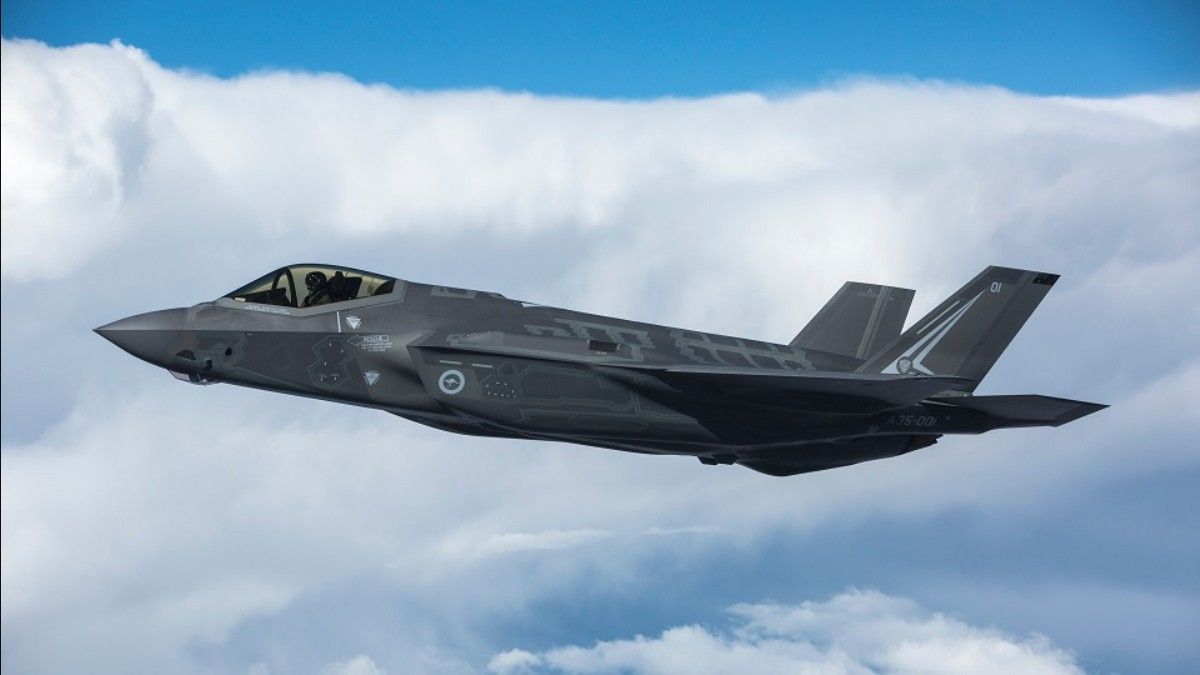
- Australian F-35 components destined for US repairs were diverted to Hong Kong and subsequently disappeared.
- The shipment reportedly included an F-35 canopy containing sensitive radar-resistant technology.
- US authorities and Congress are investigating while efforts continue to retrieve the components.

A shipment of Australian F-35 components bound for the United States for repairs was diverted to Hong Kong earlier in 2026 and subsequently disappeared, prompting investigations by US authorities and scrutiny over the security of sensitive fighter-jet technology.
The incident was first reported by Politico on 18 September and later confirmed by the Pentagon’s F-35 programme office.
The components were reportedly transported through an intermediary shipping provider working on behalf of Lockheed Martin.
The reason for the diversion remains unclear, as does the identity of the shipping intermediary and the current location or possession of the components.
Sensitive F-35 technology
Politico reported that the shipment included an F-35 canopy.
The canopy incorporates radar-resistant technology, with its radar-absorbent material degrading over time and requiring repair or replacement.
The nature of radar-resistant canopy materials used on earlier fighter aircraft has also been classified.
For example, gold was used in canopies fitted to F-16 fighter jets from the late 1980s.
Australia does not have a facility capable of repairing the canopies used by the Royal Australian Air Force’s fleet of 72 F-35 fighters, meaning such components require overseas support.
The F-35 programme has long been a target of Chinese intelligence agencies.
Access to a canopy could potentially provide information useful for examining radar-resistant designs, or help validate intelligence previously obtained about the aircraft.
US investigation underway
The Pentagon’s F-35 programme office said it was aware of a shipment issue involving “unserviceable F-35 components”.
It said US authorities and industry partners were working to retrieve the components, investigate the incident and introduce safeguards against a recurrence.
Programme officials declined to disclose the components involved or explain what “unserviceable” meant, including whether the items were damaged beyond repair.
A US House committee responsible for defence policy is also examining the incident. Heather Vaughan, spokesperson for the House Armed Services Committee, said the committee had received multiple briefings and was continuing its oversight.
A US official said programme officials were scheduled to brief committee staff as early as 22 September 2026.
Supply-chain responsibility
The F-35 programme stores spare parts at locations around the world.
The Pentagon owns the parts, while Lockheed Martin manages them until they are installed on aircraft operated by non-US customers.
Lockheed Martin manages the programme’s overall spares pool and uses commercial shipping providers to transport components.
The company said it could not discuss the status of specific shipments or its shipping procedures for security reasons.
It said its teams follow US regulations governing aircraft-component shipments and apply safeguards intended to protect the F-35 programme and allied partners.
Australian response
The Australian Department of Defence said the government takes the protection of classified and export-controlled technologies extremely seriously.
It also said Australia maintains an export-control regime administered by Defence under the country’s export-control legislative framework.
The incident has prompted briefings across the US government and an American effort to recover the missing components.
The diversion is separate from longer-running concerns over Pentagon visibility into the F-35 programme’s inventory.
According to Pentagon comptroller and inspector-general findings cited in the material, failures in tracking F-35 spare parts and equipment have remained a “material weakness” for six consecutive years, contributing to difficulties in achieving a successful account of the US military’s finances.
Australia serves as the Indo-Pacific inventory hub for F-35 parts and maintenance supporting aircraft operated by Asian allies. The programme is the world’s largest aircraft programme.