India rejects ‘fake’ reports linking BRICS summit to illness among world leaders

India’s Ministry of External Affairs has rejected reports claiming multiple world leaders fell ill after attending the BRICS Summit, calling the reports “fake” and warning against “malicious” social media posts.
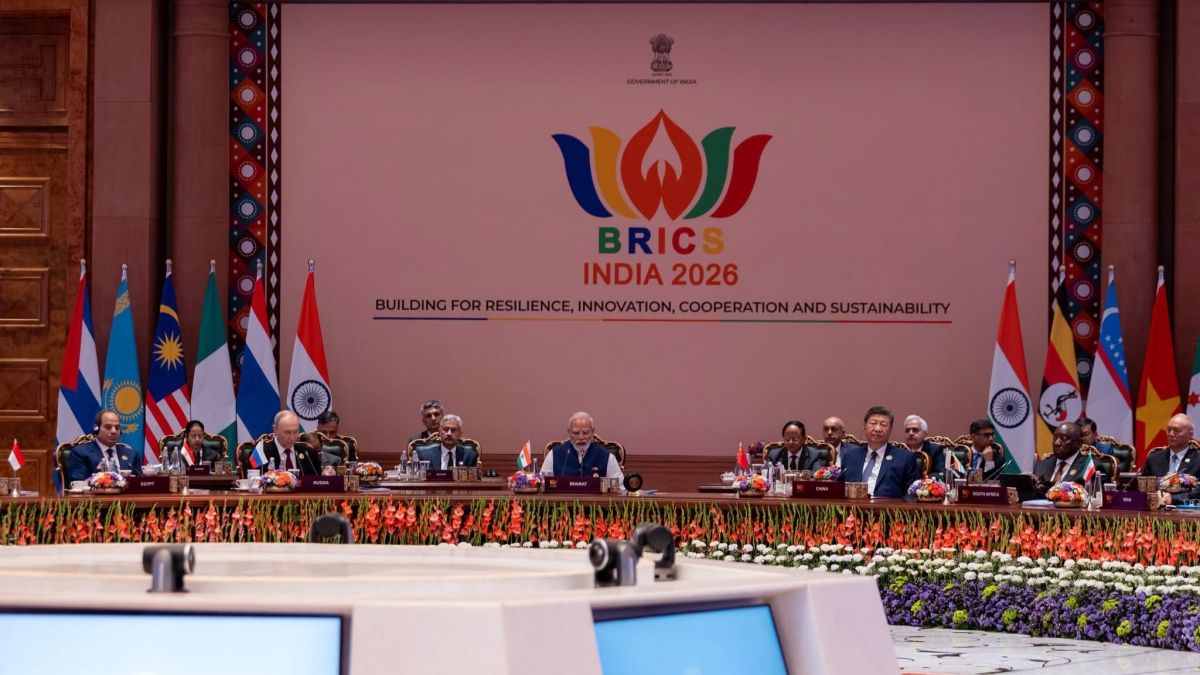
MEA India dismisses misleading reports of several leaders fall ill after attended Brics.jpg
AI-Generated Summary
  • India’s foreign ministry dismissed reports linking BRICS attendance to illness among multiple world leaders as “fake”.
  • South African President Cyril Ramaphosa paused public engagements after doctors advised him to rest.
  • Unverified reports also claimed Xi Jinping left the summit early for medical reasons.
Comments
Google News

India’s Ministry of External Affairs on 17 September 2026 rejected reports claiming that multiple world leaders had fallen ill after attending the BRICS Summit in New Delhi, describing the reports as “fake”.

The ministry’s fact-checking unit also cautioned against what it described as “malicious” posts circulating on social media platforms.

The comments followed a statement from the Office of South African President Cyril Ramaphosa confirming that he had withdrawn from public engagements after returning from the summit.

Ramaphosa’s health statement

The South African presidency said Ramaphosa, 73, had been advised by doctors to rest and recover because of ill health.

“The Presidency wishes to advise that, due to ill health, President Cyril Ramaphosa is currently booked off from public engagements,” the office said.

Ramaphosa returned from the summit on Monday and had since been resting on medical advice, according to the presidency.

“Where possible, the President has asked the respective Ministers to represent him at scheduled public engagements,” the statement added.

His absence comes while South Africa’s Deputy President Paul Mashatile is also recovering from a minor medical procedure.

Mashatile said he would continue resting on his doctors’ advice while work and delegated responsibilities continued.

“On the advice of my doctors, I will continue resting until advised otherwise while work and delegated responsibilities continue to be underway in the capable team in my office with other stakeholders in government, business and other sectors,” he said.

Claims involving Xi Jinping

Separately, several unverified reports claimed that Chinese President Xi Jinping had departed the BRICS Summit early for medical reasons and travelled back on a special plane.

The supplied material does not provide independent confirmation of those claims.

India’s Ministry of External Affairs characterised the broader reports concerning illness among world leaders as fake and warned social media users about malicious posts.

The BRICS Summit

The BRICS Summit was held in New Delhi from 12 to 13 September 2026.

India hosted the summit under the theme “Building for Resilience, Innovation, Cooperation and Sustainability”, with the 11-member grouping seeking consensus amid increasingly diverse positions among its members.

The summit’s joint declaration addressed several international issues, including nuclear risks, conflict, international disputes and economic measures.

The grouping expressed concern over growing risks of nuclear danger and conflict, while reaffirming its commitment to the peaceful resolution of international disputes.

The declaration also reiterated the members’ commitment to resolving disputes through dialogue, consultation and diplomacy.

The members called for a multilateral approach that takes into account the diverse positions of BRICS countries on major global issues.

Declaration addresses tariffs and geopolitical tensions

The New Delhi declaration also addressed tariffs imposed by US President Donald Trump and wider geopolitical tensions.

The BRICS members condemned what they described as “unilateral coercive measures”, stating that such measures were contrary to international law.

“We oppose unilateral, punitive, discriminatory and protectionist measures that are not in line with international law, such as carbon border adjustment mechanisms,” the declaration stated.

The grouping also expressed concern that such measures could undermine efforts by countries, particularly developing nations, to address the adverse impacts of climate change and strengthen adaptive capacity and resilience.

Share This