Fuel queues ease in South Sulawesi as Pertamina boosts supplies
Prolonged fuel queues across South Sulawesi have disrupted motorists and transport workers, prompting higher roadside prices, tighter controls and increased supplies from Pertamina.
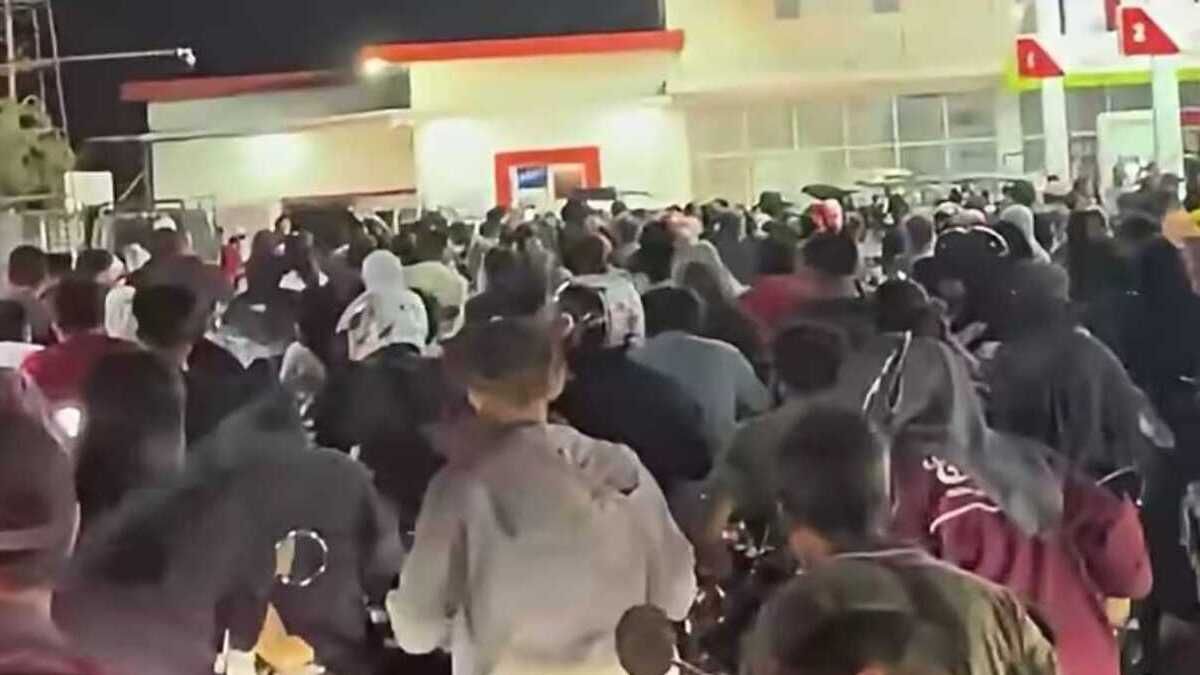
- Fuel queues have spread across Makassar, affecting subsidised Pertalite and diesel most visibly.
- Pertamina says stocks remain sufficient and has increased supplies, operating hours, personnel and fuel nozzles.
- Authorities introduced odd-even purchasing rules and spending limits as demand for subsidised fuel rose.

Motorists in Makassar and other parts of South Sulawesi have faced prolonged difficulty obtaining fuel, with long queues forming at petrol stations and shortages spreading to roadside retailers as authorities and Pertamina move to increase supplies and control demand.
The disruption has affected both subsidised and non-subsidised fuels, although the most visible queues have involved subsidised Pertalite petrol and diesel. The shortage has also pushed up prices at informal fuel sellers, while transport workers say hours spent waiting for fuel have reduced their working time and income.
The situation has prompted the South Sulawesi provincial government to introduce measures including an odd-even system for subsidised fuel purchases, while Pertamina has increased supplies, extended operating hours and added personnel at petrol stations.
Queues spread across Makassar
Long queues were reported at petrol stations across Makassar during the week of 7 September, with some extending onto public roads. Diesel queues were particularly prominent at the beginning of the disruption, while queues for Pertalite subsequently became more widespread.
The situation had already prompted an investigation by the South Sulawesi police into possible irregularities in fuel distribution. Police said they would coordinate with Pertamina, petrol station operators and other parties to determine whether distribution irregularities were contributing to the difficulty in obtaining diesel.
Pertamina Patra Niaga Regional Sulawesi said on 10 September that fuel stocks remained sufficient, while acknowledging increased demand. The company said diesel consumption had risen by about 10–15 per cent between June and August, driven by increased logistics activity, a widening price gap between subsidised and non-subsidised fuel, and indications of fuel diversion. A rise in non-subsidised fuel prices on 1 September was followed by longer diesel queues, while demand for Pertalite also increased in the following days.
Pertamina said it had responded by increasing fuel allocations by around 10–15 per cent above average daily distribution in areas requiring additional supplies.
Authorities dispute claims of depleted stocks
Pertamina has that the queues were caused by depleted supplies, attributing part of the pressure to panic buying and increased demand for subsidised fuel.
Okky Aditya Wibowo, acting area manager for communications, relations and CSR at Pertamina Patra Niaga Regional Sulawesi, said on 10 September that fuel stocks remained safe and sufficient.
Pertamina also increased the number of petrol stations operating around the clock in Makassar from 11 to 25. Additional operators and fuel nozzles were deployed at stations experiencing the longest queues.
However, the shortage experienced by motorists has been reflected outside the formal petrol station network.
At Pertamini outlets and other roadside fuel sellers, supplies have reportedly sold out rapidly as motorists sought alternatives to the long queues at petrol stations. At one Pertamini outlet on Jalan Abdullah Daeng Sirua in Makassar, a delivery of about 30 litres was reported to have sold out in less than five minutes.
The shortage has also affected prices. Antara reported that Pertalite sold by roadside retailers for about Rp15,000 in a large mineral-water bottle was being sold for as much as Rp35,000. A medium-sized bottle was priced at Rp25,000.
At some Pertamini outlets, fuel was reportedly selling for Rp15,000–Rp20,000 per litre, compared with a normal price of about Rp10,000.
One small-scale fuel seller from Takalar, Muliati, told Antara that she had to wait between 1am and 2.40am to obtain fuel because queues were shorter during the early hours. During the day, she said, waiting times could reach four to five hours.
Motorists reject ‘panic buying’ explanation
The explanation that panic buying was responsible for the queues has been disputed by some motorists.
One Makassar motorist, Dg Naba, said he was queuing because his motorcycle was running low on fuel rather than because he was attempting to stock up.
Another motorcyclist, Saldi, said he had already visited several petrol stations and was forced to queue because his fuel indicator was nearly empty. He said the situation was even worse in Selayar, where he came from, and that bottled fuel had been sold for up to Rp30,000 per litre.
Other motorists have also turned to roadside sellers after finding queues at petrol stations too long.
Abadi, a motorist in Tamalanrea, said he bought Pertamax from a roadside seller for Rp20,000 per litre because he could not afford to wait at a petrol station. He said the difficulty in obtaining fuel was affecting his ability to travel for work.
The impact has also been reported by other residents. Rahma, from Manggala, Makassar, told Antara that she was willing to pay more for fuel rather than spend hours queuing. She said the shortage had affected routine activities including taking her child to school, visiting relatives and travelling for work.
Fuel shortage linked to shift towards subsidised products
The national downstream oil and gas regulator, BPH Migas, gave a different explanation for the pressure on subsidised fuel supplies.
BPH Migas head Wahyudi Anas said on 13 September that the increase in non-subsidised fuel prices had gradually pushed some consumers towards subsidised products.
He said the increase in demand for subsidised fuel initially stood at about 2 per cent above normal levels but had subsequently reached 11 per cent nationally for Pertalite.
BPH Migas said fuel remained available and that stocks were sufficient for between eight and 14 days, with additional supplies being brought in.
Fuel deliveries by ship from refineries in Tuban, East Java, and Balikpapan, East Kalimantan, were being maintained on a continuous schedule, with shipments arriving every two to three days. Stored stocks were reported at between seven and 12 days.
The regulator nevertheless acknowledged that the queues had become severe enough to require additional measures.
Odd-even system introduced
South Sulawesi authorities introduced an odd-even system for subsidised fuel purchases from 13 to 20 September. Under the system, vehicles can purchase subsidised Pertalite and diesel according to whether their number plates correspond with the calendar date.
Purchases have also been capped at Rp50,000 for motorcycles and Rp300,000 for cars. BPH Migas said the measures were intended to prevent leakage and ensure subsidised fuel reached eligible consumers.
By 13 September, authorities reported that queues had begun to ease, although groups including online motorcycle taxi drivers and students were preparing protests over the fuel situation.
The Jaringan Ojek Online Sulawesi Selatan, representing online motorcycle taxi drivers, said prolonged queues had reduced the time drivers could spend working while increasing their operating costs. The group has demanded guaranteed fuel availability, an evaluation of the distribution system and a specific solution for transport workers.
Pertamina promises further improvement
Pertamina said on 13 September that it had opened a 24-hour buffer zone and designated 12 petrol stations to provide full Pertalite services. It also said all available fuel nozzles would be optimised and additional operators deployed.
The company said the odd-even system was intended to regulate vehicle flows and prevent queues from extending onto public roads rather than prevent people from obtaining fuel.
BPH Migas said the combination of additional supplies, tighter monitoring and demand controls had already helped reduce queues. It said fuel stocks remained under control despite the sharp increase in demand over the previous week.
Nevertheless, the continued emergence of queues at roadside fuel sellers, the higher prices being paid by motorists and the impact on transport workers have kept fuel availability at the centre of public concern in South Sulawesi.