Najib Razak’s new clemency bid, possible house arrest set for Malaysia’s Pardons Board meeting
Malaysia’s Pardons Board is expected to discuss former prime minister Najib Razak’s clemency application on 11 September, with a possible house arrest arrangement also reportedly under consideration.
- Malaysia’s Pardons Board is expected to discuss Najib Razak’s new clemency application on 11 September.
- Reports say a house arrest arrangement could also be considered alongside the clemency application.
- The issue has exposed tensions between coalition partners over judicial independence, royal powers and anti-corruption reforms.

Malaysia’s Federal Territories Pardons Board is expected to discuss former prime minister Najib Razak’s application for clemency when it meets on 11 September.
The meeting is expected to be chaired by Malaysia’s King, Sultan Ibrahim Sultan Iskandar.
Several Malaysian media outlets reported that Najib’s application is expected to be among the matters considered by the board.
However, it remains unclear whether the meeting will produce a decision or whether the board will only discuss the application.
Free Malaysia Today (FMT), citing sources, reported that the outcome of the meeting was uncertain.
Bloomberg separately reported that Najib’s pardon application was on the agenda and that a possible house arrest arrangement was also being considered.
Bloomberg cited two people familiar with the matter for the information.
The reports come after Chinese-language newspaper Sin Chew Daily first reported on Tuesday that Najib had submitted a new pardon application.
Najib, 73, has been held at Kajang Prison since August 2022. He is serving a six-year sentence following his conviction for corruption and money laundering.
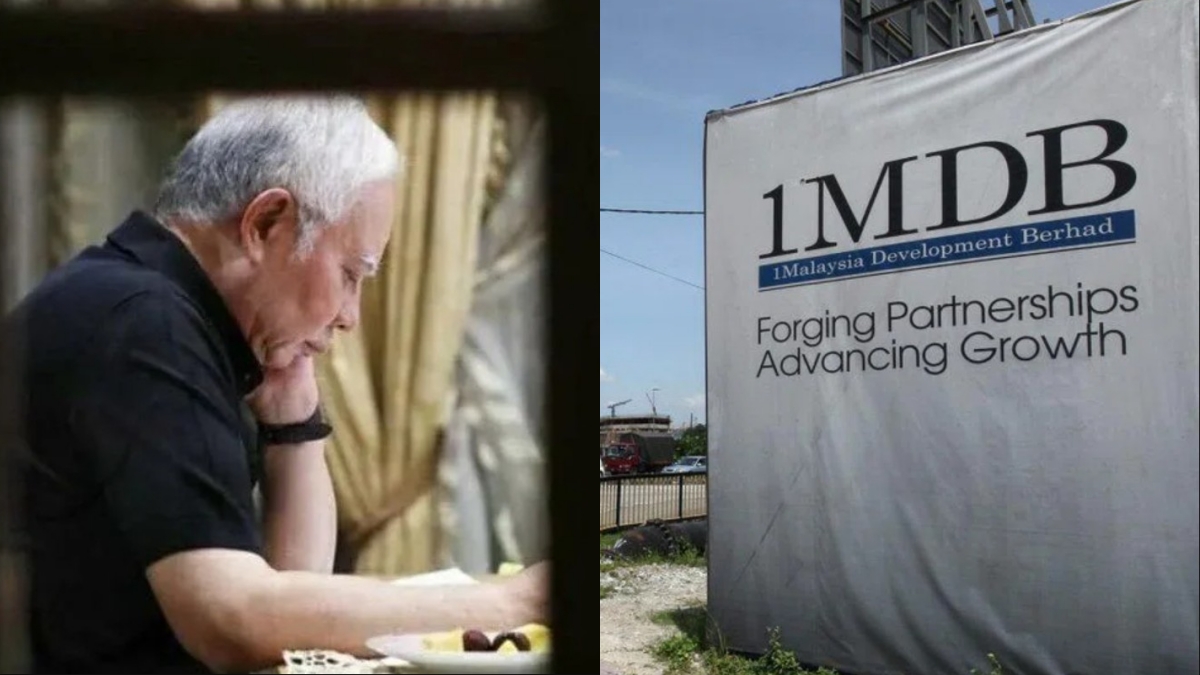
The case involved RM42 million (US$10.3 million) transferred from SRC International, a former subsidiary of state investment fund 1Malaysia Development Berhad (1MDB), into Najib’s personal bank accounts.
A previous royal pardon reduced sentence
Najib was initially sentenced to 12 years in prison and fined RM210 million following his conviction.
A partial royal pardon later reduced his prison term by half, to six years. His fine was also reduced to RM50 million.
The reductions followed a meeting of the Pardons Board in January 2024.
Najib is currently scheduled to complete his sentence on 23 August 2028.
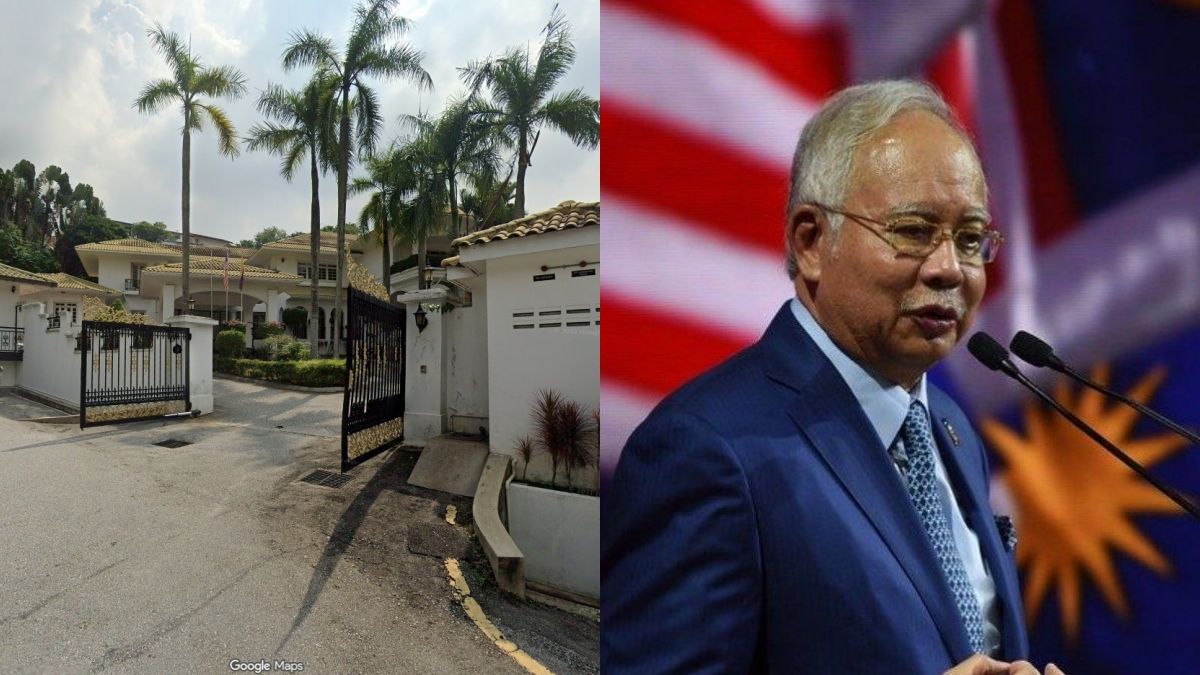
He has nevertheless maintained that the previous King, Pahang ruler Sultan Abdullah Ri'ayatuddin Al-Mustafa Billah Shah, issued an additional order allowing him to serve the rest of his sentence under house arrest.
The alleged addendum order became the subject of separate court proceedings.
The High Court ruled last year that the order was not enforceable because it had not been considered during the January 2024 Pardons Board meeting.
That meeting took place one day before Sultan Abdullah completed his term as Malaysia’s King.
Najib appealed against the ruling but withdrew the appeal in April 2026. Court documents seen by news outlets did not state why the appeal was withdrawn.
A separate 1MDB conviction
Najib also faces a further prison sentence arising from a separate case connected to 1MDB.
In December 2025, the High Court sentenced him to 15 years in prison and imposed an RM11.38 billion fine.
The sentence followed his conviction on 25 charges involving abuse of power and money laundering.
The 15-year sentence was due to begin after his current six-year term ends in 2028.
The separate case means any decision concerning Najib’s current imprisonment could have implications beyond the sentence he is presently serving.
The Pardons Board is chaired by the King and includes the Attorney-General, Federal Territories Minister Hannah Yeoh and three other members.
Political divisions emerge
The reported clemency application has also exposed differences within Malaysia’s unity government.
Najib was prime minister for nine years before losing power in 2018. He continues to have significant support within the Barisan Nasional (BN) coalition.
BN is part of the current unity government, alongside Prime Minister Anwar Ibrahim’s Pakatan Harapan (PH) coalition and several parties based in Borneo.
Najib’s lawyer, Muhammad Shafee Abdullah, said last year that his client could return to politics if he were pardoned and released from prison.
PH issued a statement on Wednesday saying people convicted of corruption or abuse of power should serve the full sentences imposed by the courts.
The coalition also said decisions involving high-profile cases should consider public confidence in Malaysia’s commitment to institutional reform and its anti-corruption agenda.
PH said judicial proceedings should be allowed to continue without creating any perception that they were being influenced by other considerations.
The coalition reaffirmed its support for reform, the rule of law and anti-corruption efforts, including when the government is under political pressure.
Although PH did not name Najib or any specific case, its statement came as reports emerged about the Pardons Board meeting.
Sin Chew Daily reported that Yeoh briefed the PH presidential council on Tuesday night.
UMNO defends royal powers
The issue has created tension between PH and its unity government partner, BN, particularly the United Malays National Organisation (UMNO).
DAP and PH have faced pressure following disappointing results in recent state elections, including in Johor and Negeri Sembilan.
PH and its partners have pledged to strengthen reforms, including anti-corruption measures, ahead of Malaysia’s next general election.
The next general election must be held by February 2028.
BN and UMNO, meanwhile, won in Johor and Negeri Sembilan after working with the opposition Perikatan Nasional through a Malay-unity partnership.
UMNO secretary-general Asyraf Wajdi Dusuki criticised PH’s statement on Wednesday.
He said it appeared to question the King’s constitutional authority to grant pardons to prisoners.
Asyraf referred to Article 42(1) of Malaysia’s Federal Constitution, which sets out the King’s powers concerning pardons.
He said UMNO did not intend to influence the Pardons Board or demand a particular outcome.
Instead, he said any decision reached through the lawful process should be respected.
Asyraf also accused the unity government partner of previously questioning the institution of Malaysia’s Malay rulers for political purposes.
He said such conduct conflicted with principles agreed when the unity government was formed.
Asyraf said UMNO remained committed to protecting the Malay royal institution.
He further warned against attempts to create pressure or negative perceptions towards the institution, describing such efforts as contrary to the Constitution and the nation.