Malaysia’s Legal Affairs Division chief says Najib Razak was briefed on house arrest
Malaysia’s Legal Affairs Division says former prime minister Najib Razak has been briefed on the rules for serving the remainder of his prison sentence under house arrest, with procedures on visits, movement and monitoring expected to be issued soon.
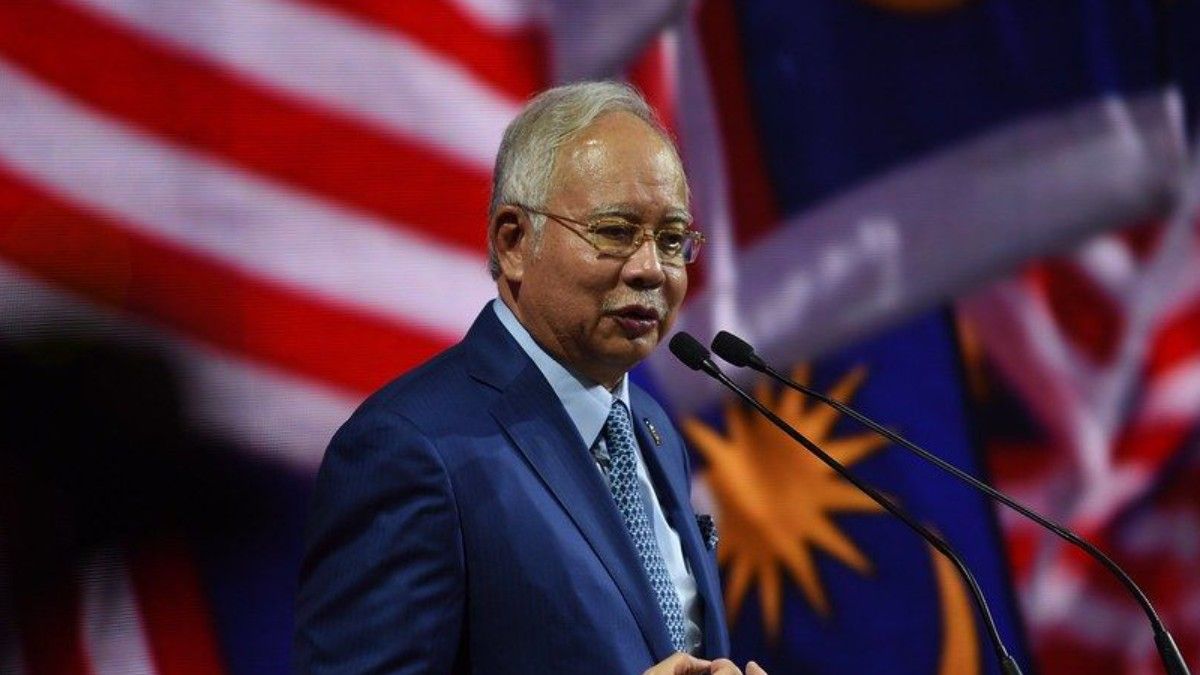
- Najib Razak has been informed of the procedures governing his house arrest, Malaysia’s Legal Affairs Division says.
- The procedures are expected to set rules for visits, movement and monitoring, including possible surveillance measures.
- Najib’s house arrest follows a conditional royal pardon granted on 18 September 2026.

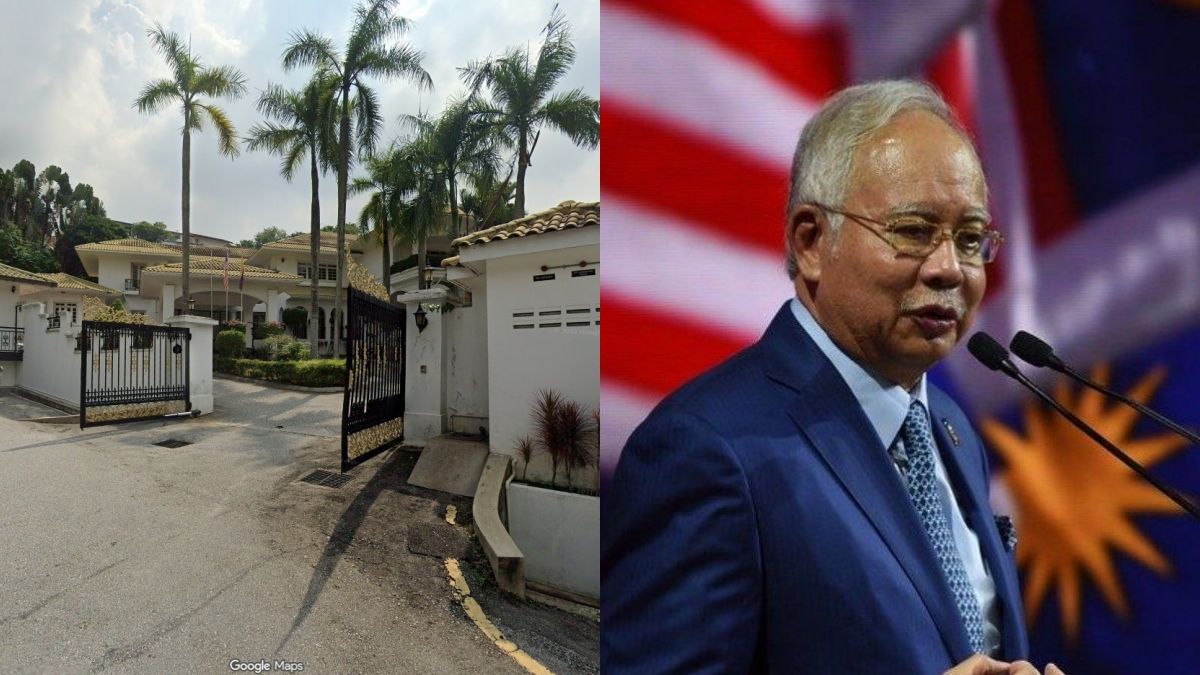
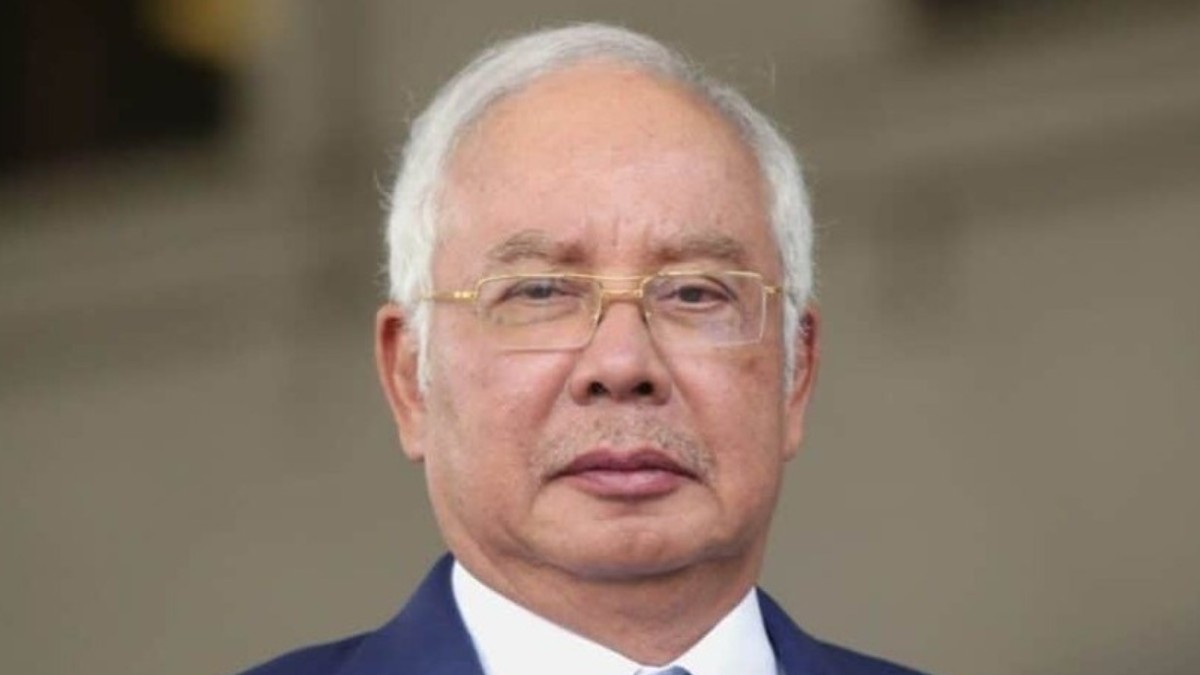
KUALA LUMPUR, MALAYSIA: Malaysia’s former prime minister Najib Razak has been informed of the standard operating procedures (SOPs) governing his house arrest, according to the director-general of the Legal Affairs Division.
Zamri Misman said the details had been communicated to Najib during a media briefing in Parliament on 7 October 2026.
“Those details have been communicated to Najib,” Zamri told Malaysian media outlets when asked about the arrangements.
The briefing was held in connection with the Parliamentary Services Act 2025.
Minister of Law and Institutional Reform Azalina Othman Said, who was also present, declined to comment on the matter.
Malaysia’s Prisons Department is expected to issue the SOPs soon.
Rules on visits and monitoring
The Home Ministry said in a written parliamentary reply dated 6 October 2026 that conditions for house arrest, including rules on visits and monitoring of movement, would be set out through the relevant SOPs.
The reply was issued in response to a question from Lim Lip Eng, the Democratic Action Party (DAP) Member of Parliament for Kepong.
Lim asked whether people placed under house arrest would be required to have closed-circuit television (CCTV) monitoring, electronic monitoring devices such as ankle tags, or other special equipment.
He also asked about the number of house-arrest orders previously issued and which categories of visitors would be allowed to visit people under house arrest.
The ministry said it was not yet possible to finalise requirements covering CCTV, electronic tagging and other monitoring devices.
It said these matters remained subject to legal provisions, regulations and SOPs that were still being finalised.
Separate legal framework under development
The Home Ministry said no house-arrest order had yet been issued under a dedicated law because legislation on house arrest was still being finalised and reviewed by the Attorney General’s Chambers.
The Government has agreed in principle to establish a legal framework allowing certain remand prisoners to be considered for detention at home as an alternative to prison while they await trial.
The ministry also distinguished this proposed legal framework from Najib’s situation.
It said a conditional pardon granted with the consent of the Yang di-Pertuan Agong, Malaysia’s King, was “a distinct matter” from house arrest proposed under the legislation.
According to the ministry, a conditional pardon is a constitutional prerogative exercised according to the terms set by the authority granting the pardon.
It said placement at home following such a pardon “cannot be equated directly” with a court-issued house-arrest order under a specific law.
The conditions governing movement, monitoring and visits under a pardon would instead be detailed through the relevant SOPs.
Prisons Department expected to issue procedures
On 19 September 2026, Attorney General Mohd Dusuki Mokhtar said the Prisons Department was expected to issue the SOPs for Najib’s house arrest in the near future.
He said the procedures would detail arrangements covering visits, control measures and monitoring of Najib’s movement.
Najib, 73, has been imprisoned at Kajang Prison since 23 August 2022, after Malaysia’s Federal Court upheld his conviction in the SRC International case.
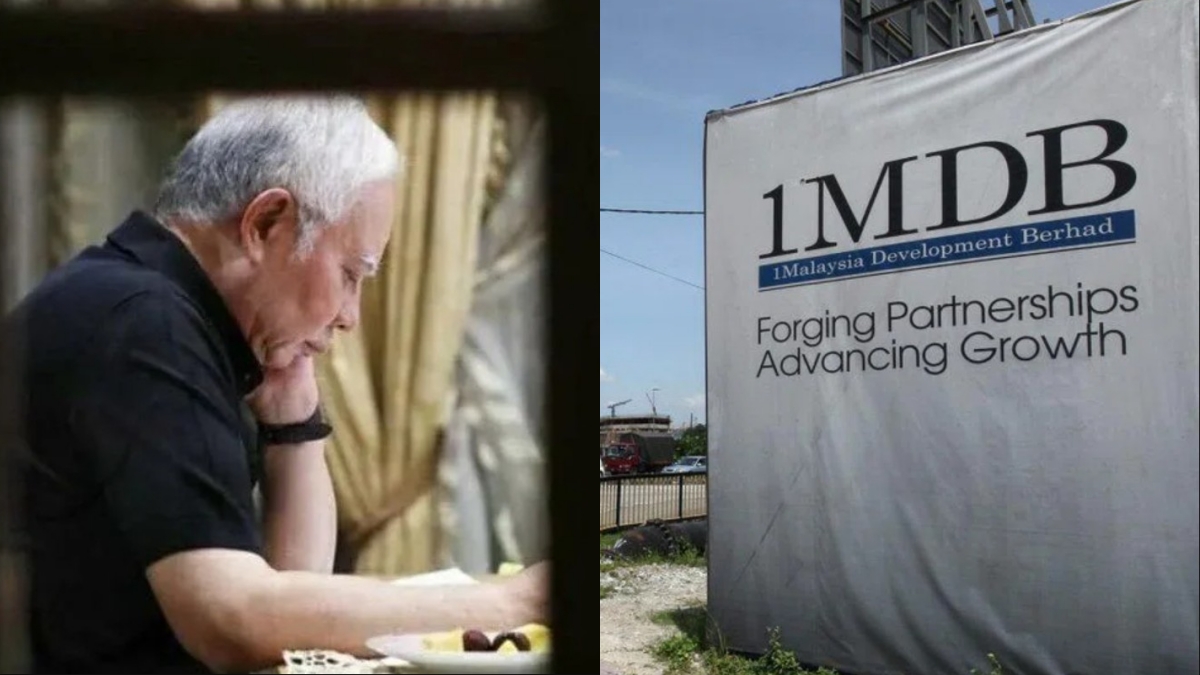
The case involved RM42 million transferred from SRC International, a former subsidiary of 1Malaysia Development Berhad (1MDB), into Najib’s personal bank accounts in 2014 and 2015.
His original 12-year prison sentence and RM210 million fine were reduced after a royal pardon in January 2024.
The prison term was reduced to six years, while the fine was reduced to RM50 million. His scheduled release date under the reduced sentence is 23 August 2028.
Conditional pardon allows home detention
On 18 September 2026, King Sultan Ibrahim granted Najib a conditional pardon allowing him to serve the remainder of his prison sentence under house arrest until August 2028.
The arrangement is subject to payment of the RM50 million fine and compliance with other conditions.
The decision followed an earlier legal dispute involving an alleged additional royal order that Najib said allowed him to serve his sentence at home.
In December 2025, the High Court rejected Najib’s application for judicial review concerning the alleged order.
The court found that the alleged order had not been considered or decided upon at the relevant Pardons Board meeting.
Najib subsequently withdrew his appeal against the ruling in April 2026. Court records reported by Malaysian media did not give a reason for the withdrawal.
Political disagreement over pardon
The September 2026 decision on house arrest prompted disagreement within Malaysia’s governing coalition.
Democratic Action Party secretary-general Anthony Loke offered to resign as Transport Minister in protest. He said DAP would nevertheless remain in government and continue supporting Prime Minister Anwar Ibrahim until the next general election.
Anwar said Najib had the right to seek a pardon and that the constitutional power to grant pardons rests with the King and the Pardons Board.
He also said ongoing cases involving Najib should continue according to law.
Separately, 14 Malaysian civil society organisations have demanded the immediate release of documents relating to Najib’s latest pardon.
The organisations are seeking documents including the Attorney-General’s submission and minutes from the Pardons Board meeting.