Haze linked to Indonesian fires pushes Metro Manila air quality to dangerous levels
Haze possibly linked to forest and land fires in Kalimantan pushed several Metro Manila areas into “acutely unhealthy” air quality on 1 September, prompting Quezon City to suspend face-to-face classes.
- Several Metro Manila stations recorded acutely unhealthy air quality as haze moved towards the Philippines.
- Parañaque recorded an AQI of 296, among the highest readings reported across the capital region.
- Quezon City suspended face-to-face classes in all public schools because of deteriorating air quality.

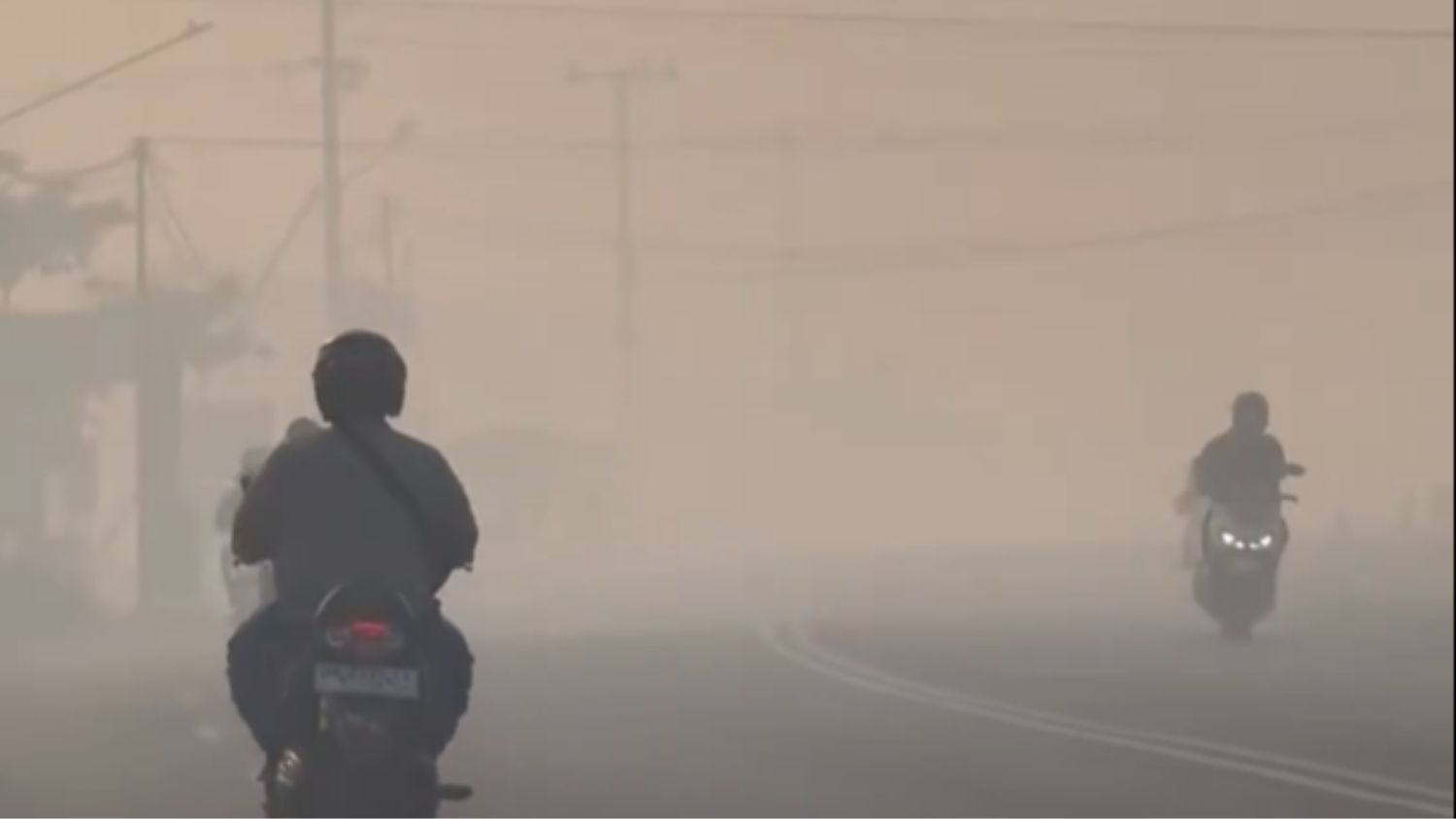
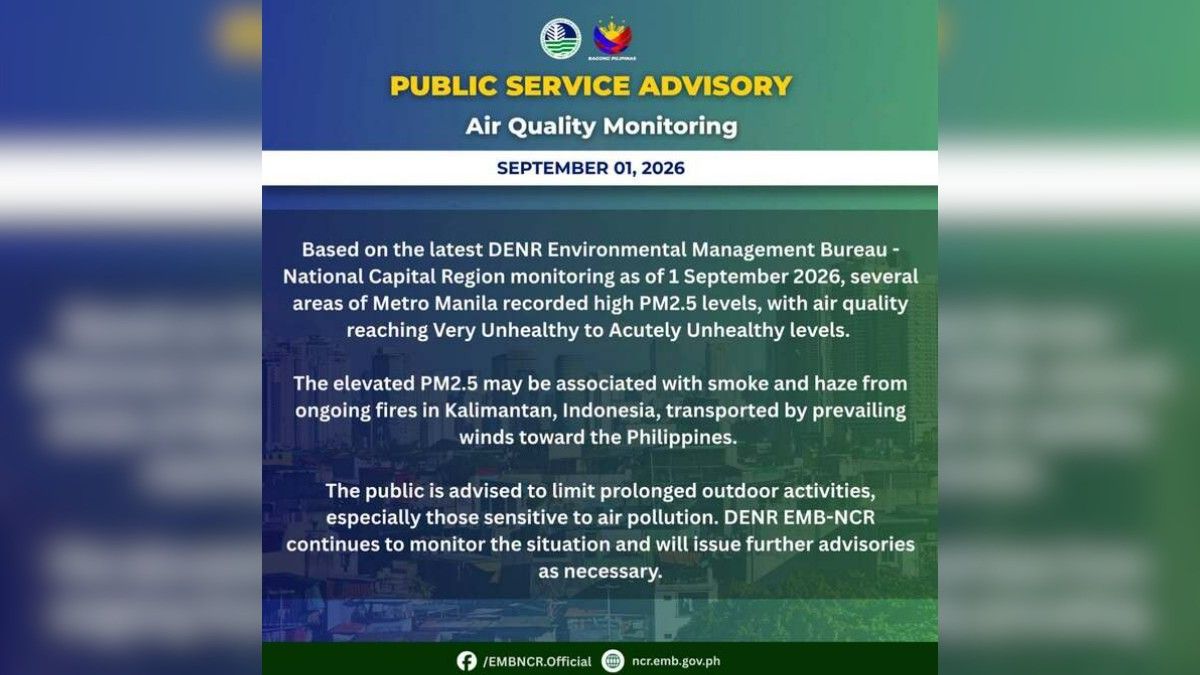
Several areas of Metro Manila recorded “very unhealthy” to “acutely unhealthy” air quality on Tuesday, 1 September, as haze possibly linked to ongoing forest and land fires in Kalimantan, Indonesia, spread towards the Philippines.
The Department of Environment and Natural Resources–Environmental Management Bureau (DENR-EMB) said elevated concentrations of fine particulate matter, or PM2.5, had been detected across the National Capital Region. The bureau said the pollution may be associated with smoke and transboundary haze from fires in Kalimantan transported towards the Philippines by prevailing winds.
Several areas reach acutely unhealthy levels
As of 6am on Tuesday, Parañaque recorded an Air Quality Index (AQI) of 296, placing it close to the upper end of the “acutely unhealthy” category.
Other areas recording acutely unhealthy readings included Quezon City (Ateneo) at 241, Las Piñas at 237, Manila at 231, Malabon at 229, Taguig at 224, Valenzuela at 224, Marikina (Parang) at 217, Muntinlupa (Filinvest) at 216, San Juan City at 213 and Mandaluyong at 207.
The DENR-EMB classifies an AQI between 201 and 300 as “acutely unhealthy”, a level at which everyone may experience noticeable effects and outdoor activities should be restricted.
Navotas and Pateros recorded AQI readings of 153 and 172 respectively, placing both in the “very unhealthy” category.
Makati recorded an AQI of 111, classified as unhealthy for sensitive groups, while Quezon City (SMPH Commonwealth) recorded 98, categorised as fair.
Later monitoring by the DENR-EMB showed 11 stations in the National Capital Region recording acutely unhealthy air quality, while Makati, Navotas, Pateros and Quezon City (SMPH Commonwealth) were classified as very unhealthy.
Quezon City suspends face-to-face classes
The deterioration in air quality prompted Quezon City authorities to suspend face-to-face classes in all public schools on Tuesday.
The suspension covered child development centres, kindergarten, Grades 1 to 12 and the Alternative Learning System. Classes were shifted to alternative learning arrangements.
The city government said its network of 68 air-monitoring sensors had recorded very unhealthy to acutely unhealthy AQI levels. Private schools and higher education institutions were allowed to decide independently whether to suspend in-person classes, although authorities encouraged them to consider alternative arrangements.
Several private schools in Quezon City also shifted to alternative learning arrangements, according to The Philippine Daily Inquirer.
Authorities warn residents to limit outdoor exposure
The DENR-EMB advised residents to reduce prolonged outdoor activities, particularly in areas visibly affected by haze.
Children, older people and those with respiratory or cardiovascular conditions were advised to limit their exposure to polluted air and take additional precautions. The agency recommended wearing a properly fitted mask, preferably an N95 or equivalent, when going outdoors in areas with noticeable haze.
The Philippine Department of Health also advised people to wear face masks when leaving their homes. It warned that haze could cause breathing difficulties, coughing, chest pain and eye irritation, and could worsen respiratory conditions such as asthma.
Haze extends beyond Metro Manila
The DENR-EMB said it was also monitoring air quality in Central Luzon, Calabarzon and Mimaropa as haze moved beyond the capital region.
A separate report said haze linked to the Indonesian fires had reached parts of Luzon, with prevailing winds potentially carrying smoke towards additional areas of the Philippines, including parts of the Visayas. Areas being monitored include Palawan, Mindoro, Central and Southern Luzon, Bicol and several provinces in the Visayas.
Authorities have stressed that the precise movement and concentration of the haze will depend on prevailing winds, rainfall and the continuing intensity of fires in Indonesia.
Indonesian fires drive regional haze
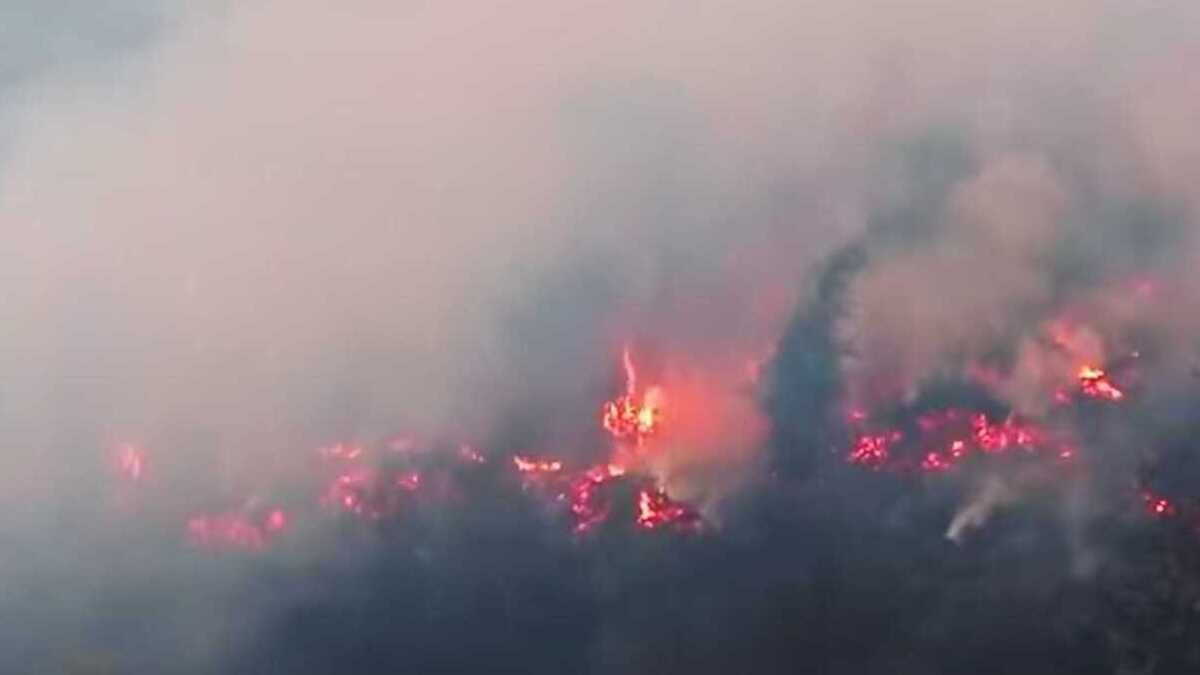
The haze affecting the Philippines comes amid extensive forest and land fires across Indonesia, particularly in Kalimantan.
On 29 August, satellite imagery analysed by the Asean Specialised Meteorological Centre detected 1,211 hotspots across the southern Asean region. Of these, 1,180 were located in Kalimantan, while 18 were in Sumatra and 13 in Malaysia.
The regional monitoring centre reported moderate to thick transboundary haze over West Kalimantan moving northwards towards western Sarawak, with moderate to thick haze also observed across much of Kalimantan, central Sarawak, and central and southern Sumatra.
Indonesia's Forestry Ministry has announced intensified firefighting operations for September, including weather modification, aerial water-bombing and additional ground personnel, as prolonged dry conditions continue and significant natural rainfall is not expected until early October.
The Philippine authorities are continuing to monitor the situation as prevailing winds carry smoke and haze across national borders.