Nepal-Tibet floods kill 392 as more than 1,400 remain missing, including foreigners
The death toll from devastating flash floods along the Nepal-Tibet border has risen to 392, while rescue teams search for more than 1,400 missing people amid warnings of another possible flood surge.
- Flash floods along the Nepal-Tibet border have killed 392 people, with more than 1,400 reported missing.
- Rescue teams are searching affected communities while authorities warn a debris-blocked river could trigger another flood.
- Foreign tourists are among those missing, while China and Nepal continue evacuation, monitoring and rescue operations.

The death toll from massive flash floods along the Nepal-Tibet border rose to 392 on Thursday, 27 August 2026, as rescue teams searched for more than 1,400 people reported missing.
Of those killed, 389 died in Nepal and three in neighbouring Tibet, according to figures cited from disaster authorities on both sides of the border.
An update from Nepal’s National Disaster Risk Reduction and Management Authority said 389 bodies had been found as of 10pm on 27 August, while more than 900 people remained missing.
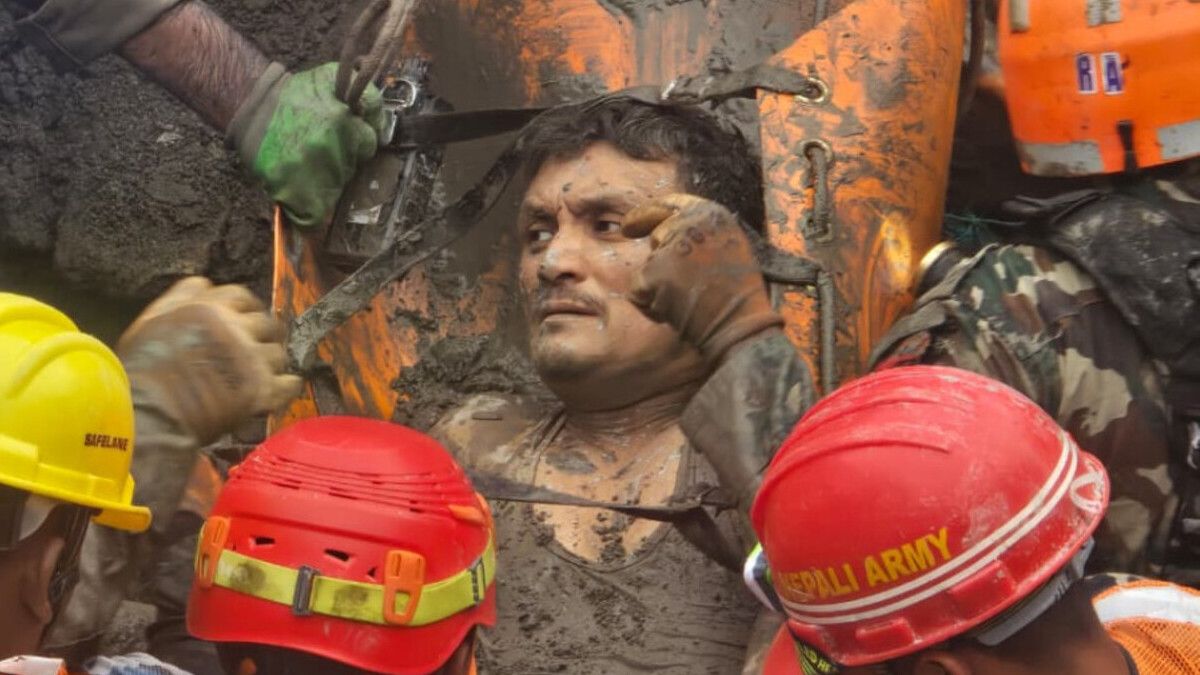
Nepal Police said 796 people, including 50 foreigners, had been rescued by helicopter from affected areas.
A further 796 people had been evacuated by land.
The police statement did not specify the nationalities of the foreign nationals rescued by helicopter.
A separate update from Nepal’s tourism authorities showed that the number of foreign travellers whose whereabouts remained unconfirmed was also subject to ongoing verification.
Foreign tourists among those uncontactable
According to Nepal Tourism Board statistics at 5.40pm on 27 August, more than 540 foreigners, including nine Singaporeans, remained uncontactable more than 24 hours after the deadly flooding struck the border region.
Another figure in the latest information received by the tourism authorities put the total number of people reported missing at 667, including 127 Nepali nationals.
The same information said 31 foreign nationals had been rescued. They included 11 Indians, four South Koreans, two Americans, two Russians, two Italians, one Bulgarian and one Swiss national. The nationality of eight others had not been confirmed.
India had the largest number of missing foreign nationals, with 178, followed by Ukraine with 53, Malaysia with 51, the United States with 65, Australia with 35 and the United Kingdom with 33.
Missing people were reported across 32 countries, including Belarus, Finland, Hungary, Israel, Lithuania, the Philippines, Serbia and Sweden, with one individual listed from each of those countries.
The Ministry of Culture, Tourism and Civil Aviation, Nepal Tourism Board, Tourist Police and tourism stakeholders were working to verify the whereabouts and safety of tourists and travellers who had been in or travelling through affected areas.
Authorities said efforts were continuing to rescue and evacuate injured, stranded and affected people.
Warnings of another flood surge
The disaster was triggered near the Nepal-Tibet border after an ice-rock avalanche, with a preliminary assessment by Nepalese authorities and a revised US Geological Survey analysis identifying glacial collapse and debris flow rather than an earthquake as the cause.
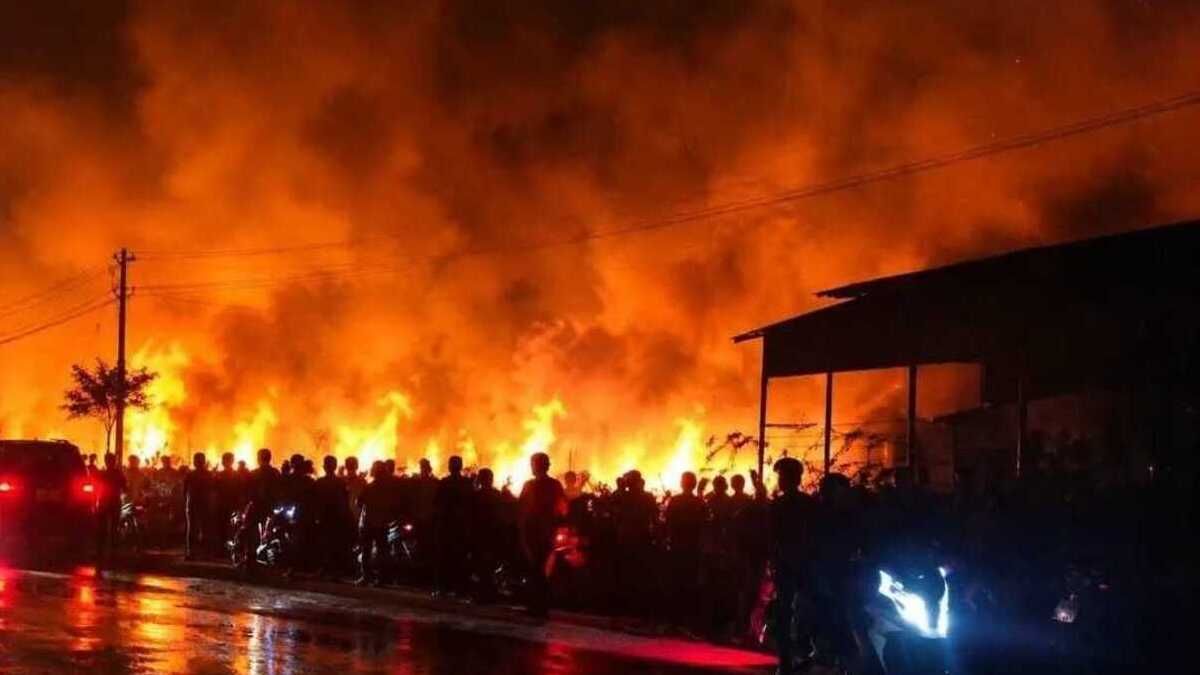
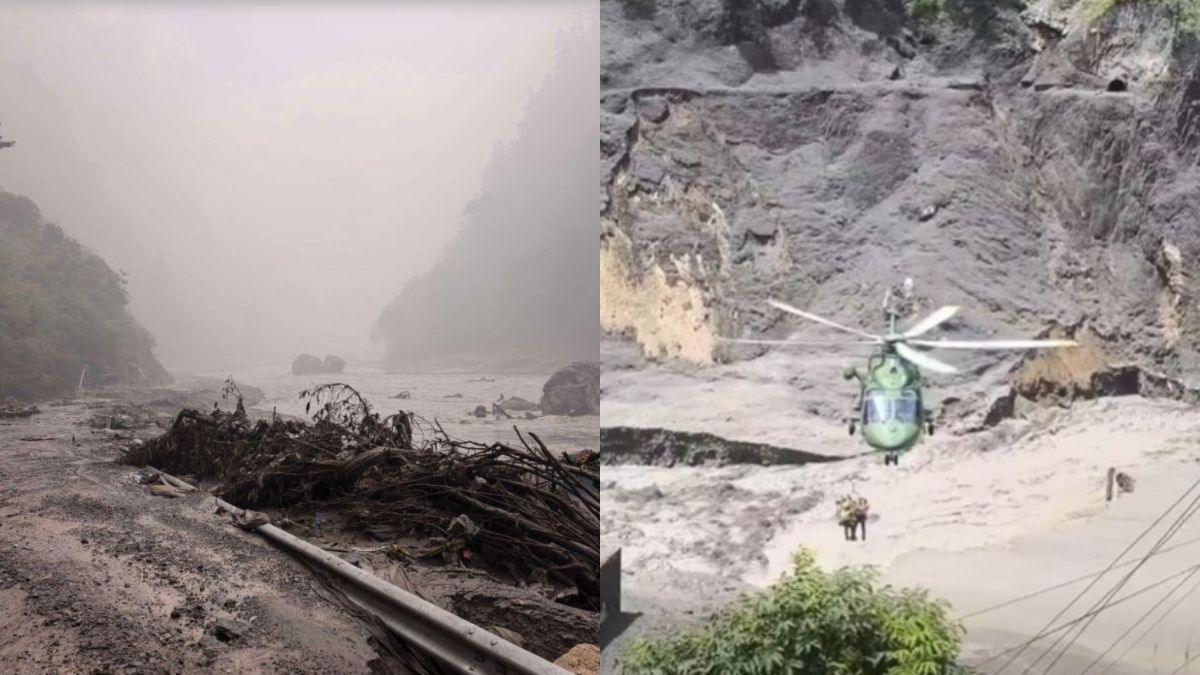
The torrent carried water, mud, rocks and debris downstream through central Nepal, devastating towns and villages and damaging homes, vehicles, roads, bridges and hydropower projects.
A fresh flood threat remained after debris created a new barrier lake near the source of the Bhote Koshi river system.
Authorities warned that a breach of the lake could send another surge downstream, while large quantities of debris continued to block parts of the valley.
“With a blockage still lodged upstream on the Nepal-China border river, authorities warn a second flood may occur,” said Qianggong Zhang, head of climate and environmental risks at the Kathmandu-based International Centre for Integrated Mountain Development.
Nepal’s Flood Forecasting Division issued a special notice on Thursday, warning of a growing lake behind debris left by the landslide and urging extreme caution.
Tibet mobilises emergency teams
Officials said 558 people remained missing in Tibet, taking the combined number reported missing on both sides of the border to 1,468.
Chinese authorities were monitoring the barrier lake and conducting flood simulations and risk assessments to assess the possibility of a further surge.
A Chinese rescue team equipped with communications and detection equipment reached Gyirong to assess the upstream blockage, which officials feared could cause a secondary disaster and complicate rescue operations.
According to the official Xinhua news agency, Chinese government officials in Tibet mobilised nearly 800 emergency workers, together with sniffer dogs and speed boats, to support rescue efforts.
Nepalese security personnel had evacuated more than 800 people from affected districts, while helicopters, drones and ground teams continued searching isolated settlements, riverbanks and downstream areas.
Rasuwa among worst-hit areas
The floods first devastated Nepal’s Rasuwa district, about 160 kilometres from Kathmandu, after the ice-rock avalanche and debris flow near the Nepal-Tibet border.
The resulting torrent swept through settlements including Timure and Rasuwagadhi before moving downstream through the Bhote Koshi and Trishuli river system.
Entire villages were swept away as freezing water and mud engulfed homes, damaged bridges and dams and carried vehicles downstream.
Many of those reported missing were foreign tourists, including scores of Hindu pilgrims travelling towards Tibet’s sacred Mount Kailash.