Nepal rejects foreign rescue teams as flood death toll reaches 469, hundreds remain missing
Nepal has rejected offers from several countries to deploy search-and-rescue teams after floods and landslides left hundreds missing, including 517 foreign nationals.
- Nepal has rejected international offers to deploy search-and-rescue teams after devastating floods and landslides.
- At least 517 foreign nationals remain missing or out of contact, according to Nepal Police.
- The UN has released US$2 million for emergency medical care, shelter and water supplies.

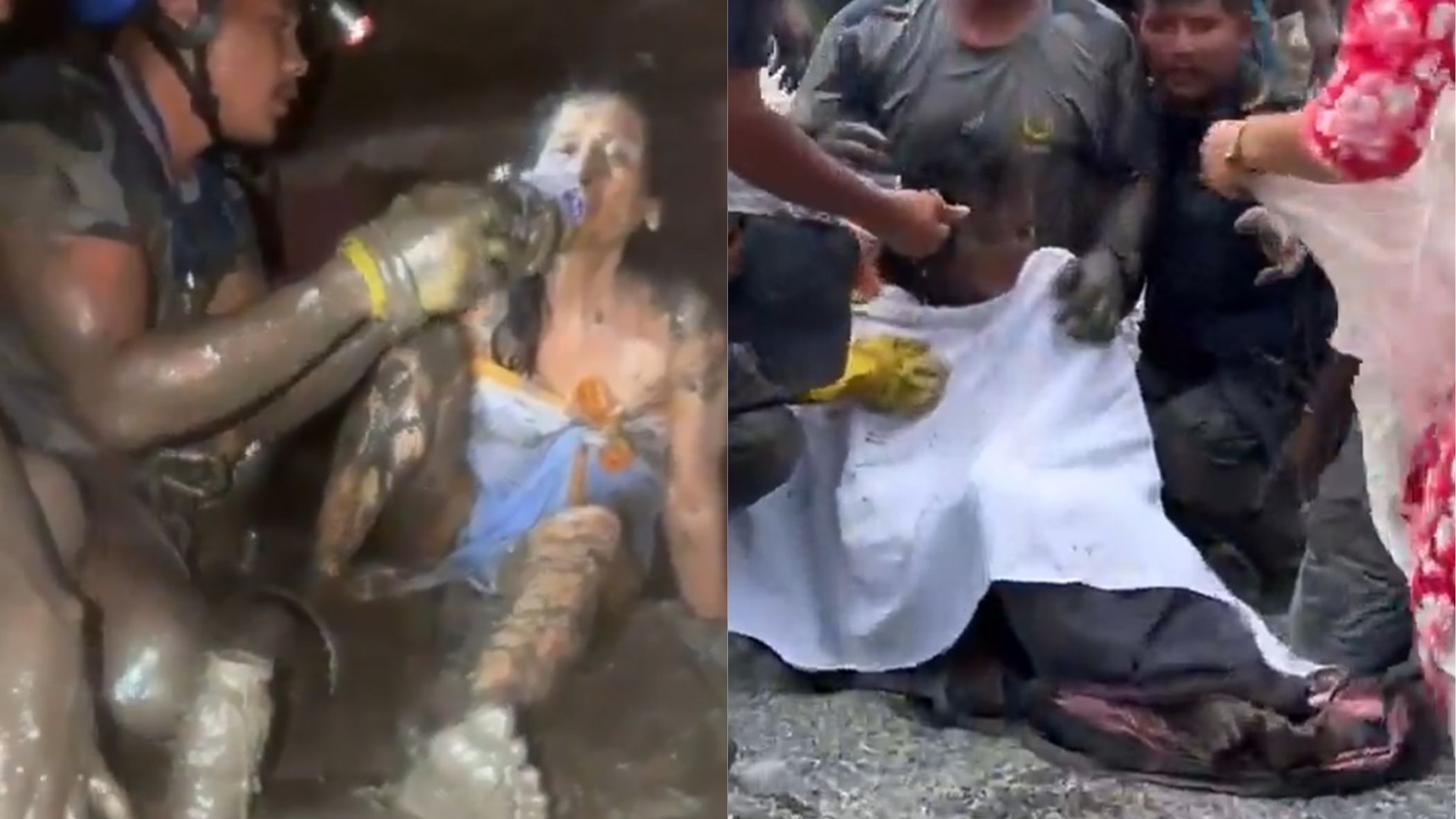
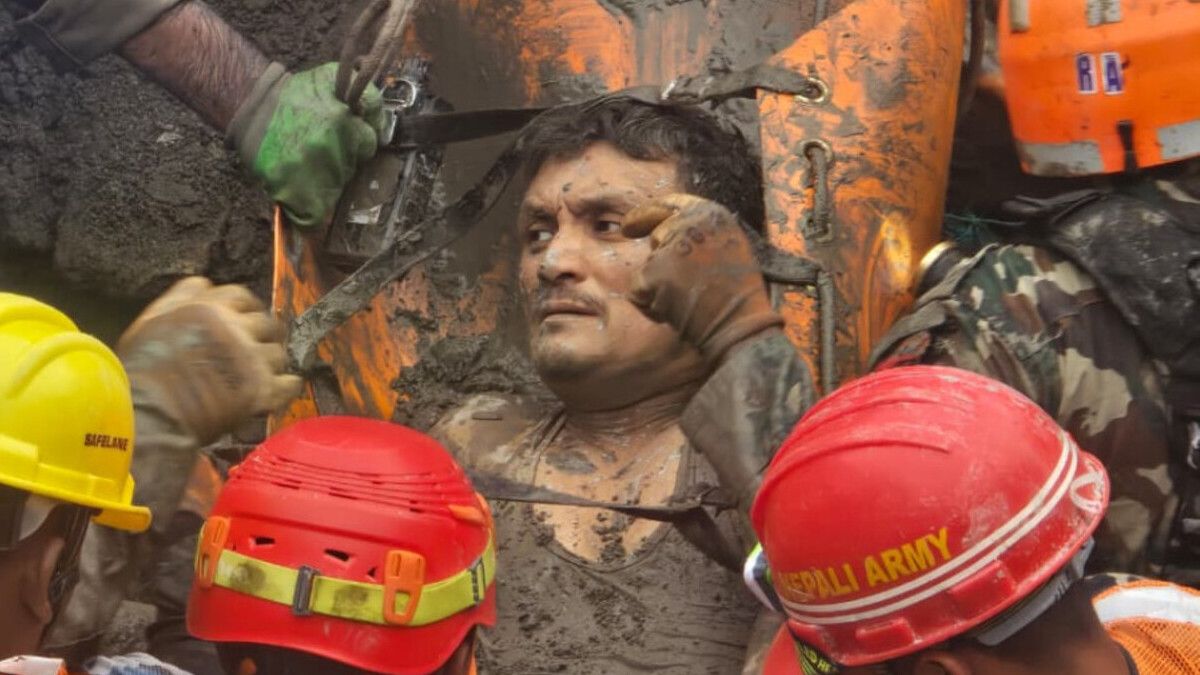
Nepal has rejected offers from several countries to deploy search-and-rescue teams after devastating floods and landslides left hundreds of people missing, including hundreds of foreign nationals.
The government said its own security agencies were capable of managing the search operation, while requesting financial assistance through a centralised mechanism as the country begins responding to the disaster.
According to Nepal Police on 28 August, the death toll from the flash floods has risen to 469.
Meanwhile, 517 foreign nationals from dozens of countries remained missing or out of contact following the floods on 26 August.
The figure included 178 Indians, 65 Americans, 51 Malaysians, 53 Ukrainians, 33 Britons, 35 Australians, 25 Canadians and nine Singaporeans.
Chinese officials separately said at least 100 Chinese nationals were out of contact, while India said more than 200 of its citizens had been trapped by the floods and were seeking evacuation.
Nepal turns down international rescue offers
Officials from India, China, the United States, Britain, Japan, South Korea, Sri Lanka and Bangladesh have asked Nepal to allow their search-and-rescue teams to assist with operations.
A senior Nepalese foreign ministry official said the requests had been declined following recommendations from the Nepal Army and police.
The government cited difficulties experienced during the 2015 earthquake, when the arrival of foreign search-and-rescue teams created coordination and management challenges.
India had sought permission to deploy its National Disaster Response Force after hundreds of Indian nationals went missing or lost contact. Nepal also rejected that request.
“We received similar requests from China and other countries too, but we had to turn down the request,” the official said.
Instead, Nepal has asked countries seeking to assist to provide financial contributions through the Prime Minister Relief Fund. Officials said additional international assistance would be sought during the reconstruction phase.
India has already sent more than 47.5 tonnes of relief supplies to Nepal and offered Bailey bridges and prefabricated truss bridges, according to Indian foreign ministry spokesperson Randhir Jaiswal.
“Whatever request has been made by Nepal, we are acting on that,” Jaiswal said.
The United States and Britain have also announced financial assistance, while the Asian Development Bank has said it will continue supporting Nepal with disaster preparedness, risk assessments, early-warning systems and resilient infrastructure.
Emergency response set up for foreign nationals
Nepal's Ministry of Foreign Affairs has established an Emergency Response Team (ERT) to coordinate assistance for foreign nationals affected by the floods.
The team is responsible for search and rescue, verification of information and consular assistance for foreign nationals who are missing, affected or otherwise connected to the disaster.
An under-secretary has been deployed to the operations centre in Timure, Rasuwa, to coordinate with security personnel working on the ground.
Foreign diplomatic missions, international organisations and families of missing people have been directed to use a dedicated hotline and email as part of what the ministry described as a “one-door” mechanism for information.
Foreign Minister Shisir Khanal also instructed senior ministry officials to remain in contact with foreign governments and provide updates concerning their nationals.
UN releases US$2 million for emergency response
The United Nations has released an initial US$2 million from its Central Emergency Response Fund to support emergency medical care, shelter and water supplies.
UN Secretary-General António Guterres said UN agencies were mobilising humanitarian teams and supplies to support Nepal's national response.
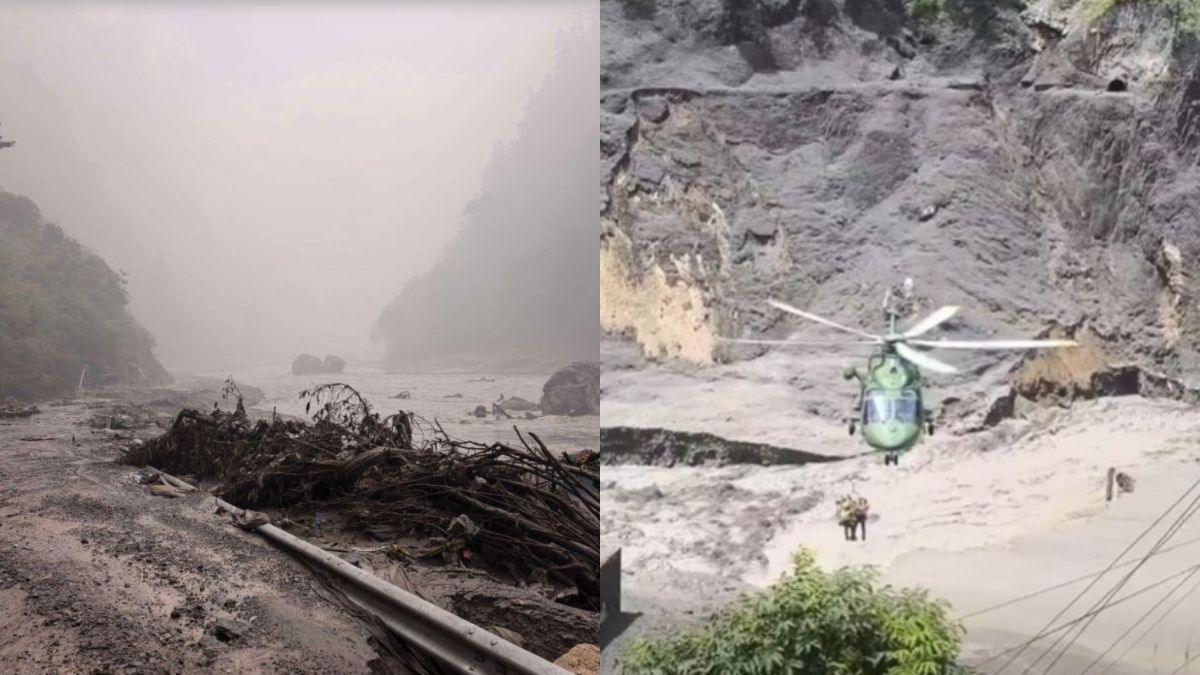
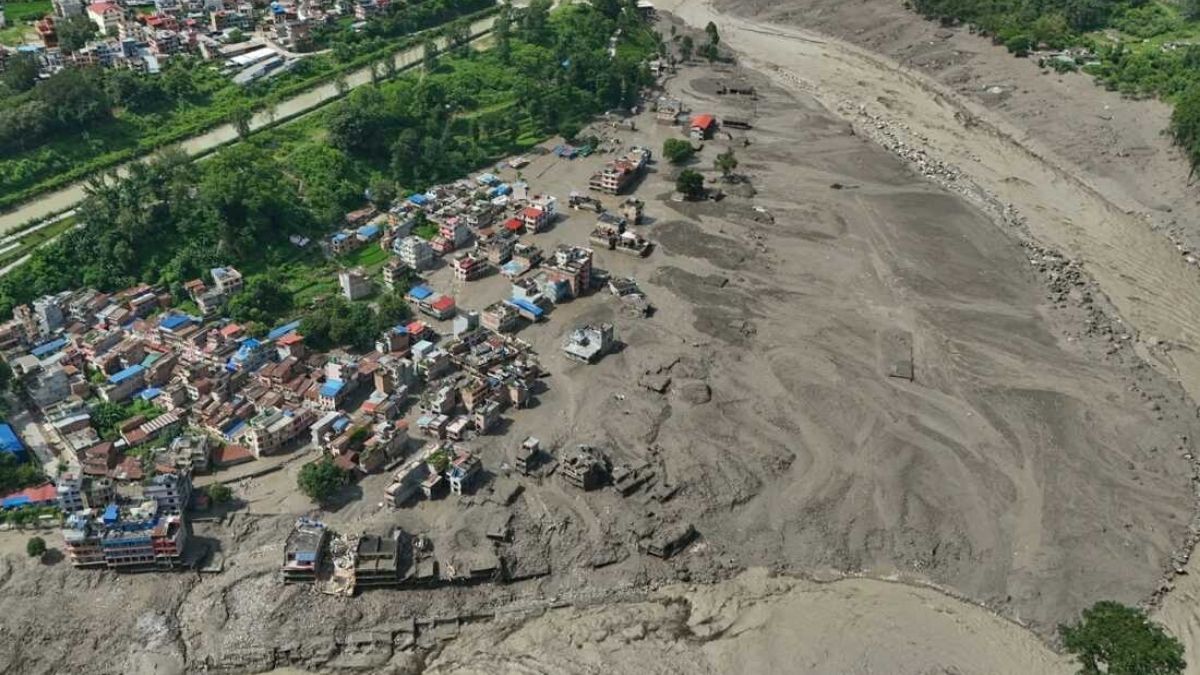
The worst-affected districts include Rasuwa, Nuwakot and Dhading, where roads, bridges, hydropower facilities, water systems and telecommunications networks have been damaged.
UNICEF said at least 17,000 children had been affected by the floods.
“Children across Rasuwa and Dhading saw their lives being literally washed away in front of their eyes in a very short span of time,” said Alice Akunga, UNICEF's representative to Nepal.
The agency said surviving children faced increased risks of disease, malnutrition, violence and exploitation.
The World Health Organization has dispatched an emergency health kit containing medicines and supplies sufficient to provide basic health services for up to 10,000 people, along with six multipurpose tents.
The World Food Programme and UNICEF were also preparing to deploy personnel and trucks carrying relief supplies.
Hundreds still missing in Nepal and China
The scale of the disaster extends beyond Nepal. Authorities in China reported that about 560 people remained missing following flooding in the Tibet Autonomous Region.
In Nepal, the Rasuwa district, about 80 kilometres north of Kathmandu, has been particularly badly affected. The towns of Timure, Rasuwagadhi and Syabrubesi were among the areas hit by flooding and mudslides.
A collapsed glacier in the steep Himalayan valleys has been cited as a possible cause of the sudden flooding and landslides, which destroyed communities and swept away roads and bridges.
Rasuwa was also among the areas badly affected by the 7.8-magnitude earthquake in April 2015, which killed more than 8,800 people across Nepal.
The United Nations Office for Disaster Risk Reduction has warned that global disasters are projected to increase by 40 per cent between 2015 and 2030, with climate change and underestimation of risk among the factors identified.