Indonesia says forest fires easing as Malaysia steps up haze response
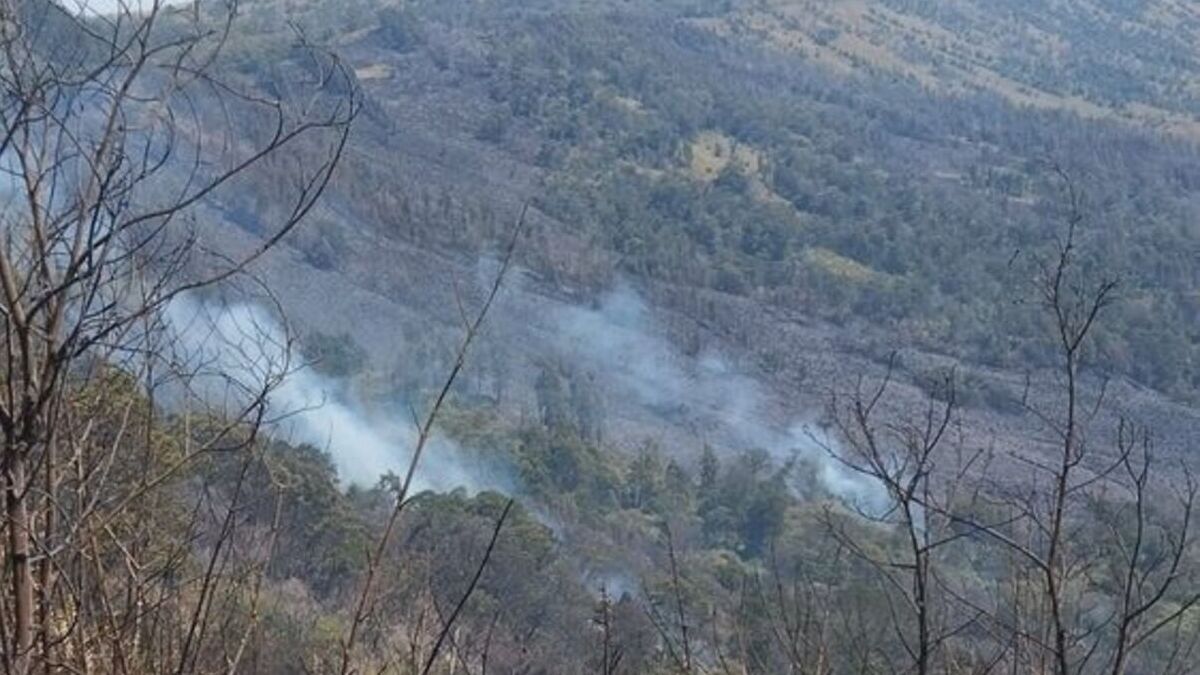
President Prabowo Subianto said Indonesia’s forest and land fires were easing in several areas and could be brought under control within one or two weeks as Malaysia strengthens its response to worsening haze.
- Prabowo Subianto said Indonesia’s fires were easing and could be controlled within one or two weeks.
- Malaysia is coordinating cloud seeding and monitoring as El Niño and the Southwest Monsoon raise haze risks.
- Calls are growing for stronger ASEAN mechanisms to prevent fires and respond to transboundary pollution.

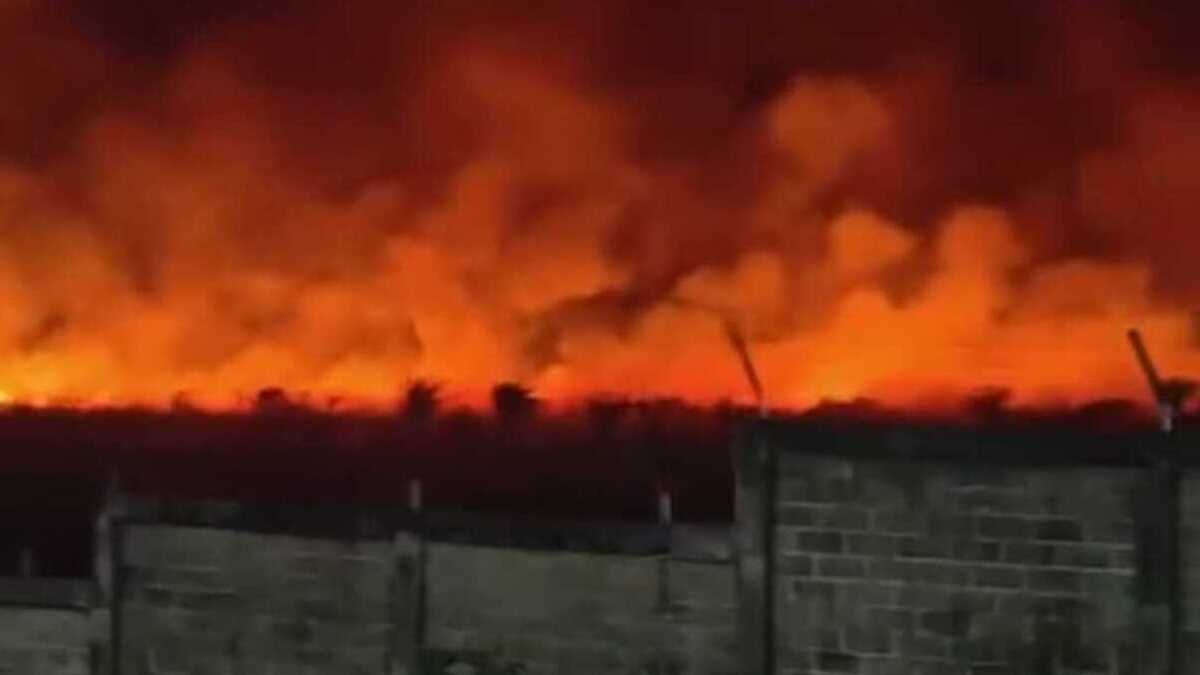
Indonesia’s President Prabowo Subianto said the country’s forest and land fires were beginning to come under control in several areas, as Malaysia stepped up preparations for worsening haze and strengthened cooperation with Jakarta to tackle transboundary smoke.
Prabowo said on Tuesday that the fires could be fully brought under control within one or two weeks, following the deployment of dozens of helicopters, more than a dozen aircraft, hundreds of water wells and pumps, and thousands of personnel.
“I think it has begun to be brought under control and mitigated in several places. I hope that within one or two weeks everything can be resolved,” he said at the launch of Indonesia’s 100-gigawatt solar power programme in Jembrana, Bali.
The president said Indonesia was experiencing a strong El Niño this year, which required continued vigilance over the risk of forest and land fires.
Malaysia and Indonesia strengthen haze response
Malaysia and Indonesia have agreed to intensify preventive and early firefighting measures as El Niño is expected to strengthen towards October, coinciding with the Southwest Monsoon.
Malaysia’s Natural Resources and Environmental Sustainability Minister Datuk Seri Arthur Joseph Kurup said the commitment was reached during a telephone conversation with Indonesia’s Environment Minister Jumhur Hidayat on Monday.
Malaysia has also received Indonesian approval for cloud-seeding operations to cross Indonesian airspace and target areas along the shared border. The National Disaster Management Agency and MetMalaysia are preparing a schedule to coordinate the operations with Indonesia’s military authorities.
Arthur said Malaysia was also prepared to assist Indonesia in firefighting if requested, subject to Cabinet approval.
Malaysia’s Department of Environment and MetMalaysia will continue monitoring hotspot activity and air quality, while maintaining communication with Indonesian authorities.
As of 10am on Monday, 10 areas across four Malaysian states had recorded unhealthy Air Pollutant Index readings. Serian in Sarawak recorded the highest reading and was approaching the very unhealthy category.
Indonesia deploys thousands of personnel
Prabowo said he had visited several fire-affected areas and found regional governments, ministries, the military, police and disaster management authorities working on the response.
He travelled to West and Central Kalimantan on Saturday to inspect firefighting operations before travelling to Sumatra on Monday.
Indonesia’s firefighting effort in Kalimantan has involved thousands of personnel, aerial water-bombing operations, ground teams and weather modification.
The government has also deployed additional military personnel and high-capacity helicopters to support fire suppression.
In Central Kalimantan, authorities have reported difficult conditions in peatland areas, where fires can persist beneath the ground and require prolonged efforts to extinguish.
Haze raises regional concerns
The fires have renewed concerns about transboundary haze affecting Malaysia and other neighbouring countries.
Smoke from fires in Kalimantan has previously moved towards Sarawak, with Malaysian authorities monitoring air quality and hotspot activity along the border.
The timing has also raised concern because Malaysia is preparing to celebrate its National Day on 31 August and Malaysia Day on 16 September. Arthur said the strengthened preventive measures were intended to safeguard air quality during the celebrations.
Calls for stronger ASEAN action
Malaysian social activist Tan Sri Lee Lam Thye has called for an urgent review of the ASEAN Agreement on Transboundary Haze Pollution and a stronger regional action plan.
The agreement was signed in 2002 and came into force in 2003, but recurring fires and cross-border smoke have continued to affect Southeast Asia.
Lee called for measurable targets to prevent fires and reduce hotspots, stronger accountability for companies or individuals responsible for open burning and illegal land clearing, and mechanisms for investigation, evidence-sharing and enforcement when fires cause cross-border pollution.
He also proposed a permanent regional haze response mechanism involving real-time satellite monitoring, rapid hotspot information-sharing, joint firefighting capabilities and clearly defined responsibilities during severe haze episodes.
El Niño adds to fire risk
The ASEAN Specialised Meteorological Centre has warned that strengthening El Niño conditions, below-normal rainfall and prevailing winds could increase the risk of hotspots and transboundary haze in the southern ASEAN region.
Lee said El Niño should not be the sole explanation for the recurring haze problem, pointing to human-caused forest and land fires as another factor.
Indonesia has continued to use weather modification alongside conventional firefighting operations. Authorities are also increasing monitoring and strengthening prevention measures in fire-prone areas.
Prabowo said the government would continue its efforts until the fires were brought under control, while Malaysia maintains surveillance of air quality and fire activity as the regional dry season progresses.