Roommate says Utah shooting suspect expressed regret after Charlie Kirk killing, court hears
A roommate of Tyler Robinson told a Utah court the murder suspect said he wished "he hadn't done it" after the fatal shooting of Charlie Kirk, as prosecutors presented messages, handwritten notes and forensic evidence during a preliminary hearing.
- Prosecutors presented recorded statements, messages and forensic evidence during Robinson's preliminary hearing.
- Robinson's roommate said the suspect allegedly expressed regret and discussed surrendering after the shooting.
- The judge will decide on 1 September whether sufficient evidence exists for the case to proceed to trial.

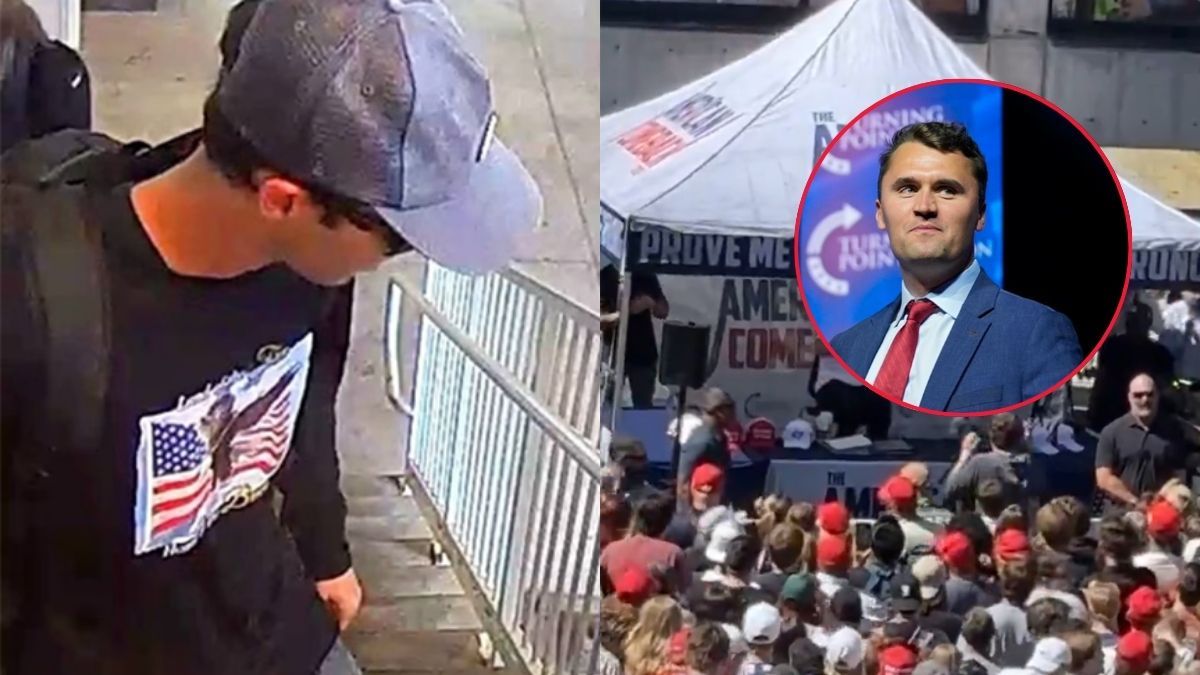
Tyler Robinson, the man accused of fatally shooting conservative activist Charlie Kirk at Utah Valley University last year, allegedly told his roommate that he wished "he hadn't done it" the day after the killing, according to a recorded interview played in court on Thursday as prosecutors sought to advance the case to trial.
Robinson, 23, is charged with aggravated murder over the fatal shooting of Kirk, 31, on 10 September 2025. He has not entered a plea. Prosecutors are seeking the death penalty, alleging the killing was politically motivated and endangered members of the public attending Kirk's campus event.
Roommate interview played in court
The recording featured Lance Twiggs, Robinson's roommate and romantic partner, describing an emotional encounter at their apartment in southern Utah, more than 320 kilometres from Utah Valley University, where Kirk was shot.
Twiggs said Robinson paced nervously around the apartment after the killing and told him he intended to confess to his parents or surrender to authorities.
According to the recording, Robinson told Twiggs he wished "he hadn't done it".
Twiggs also told investigators he had never heard Robinson discuss Kirk before the shooting, although Robinson occasionally spoke about politics, including President Donald Trump. He said Robinson rarely discussed LGBTQ rights.
The interview shown in court was recorded on 20 April and had been partially redacted before being played publicly.
Prosecutors present messages and alleged confession
Prosecutors also presented text messages, handwritten notes and Discord chat records that they argue demonstrate Robinson's intent before and after the shooting.
According to investigators, Robinson posted "it was me at UVU yesterday" in a Discord chatroom roughly an hour before surrendering to police on 11 September.
Prosecutors allege Robinson also left a handwritten note for Twiggs stating: "I had the opportunity to take out Charlie Kirk, and I took it." The note continued: "I wish we could have lived in a world where this did not feel necessary."
Court filings further allege Robinson texted Twiggs that he targeted Kirk because he "had enough of his hatred", adding: "Some hate can't be negotiated out."
In another exchange, Twiggs asked Robinson, "How long have you been planning this?" Robinson allegedly replied: "A bit over a week."
State Bureau of Investigation Agent Brian Davis testified that Robinson also sent messages expressing concern about leaving fingerprints on a rifle belonging to his grandfather, which investigators believe was used in the shooting.
Evidence includes engraved ammunition
Prosecutors displayed photographs of the suspected murder weapon, a bolt-action rifle recovered wrapped in a towel in a wooded area near the university amphitheatre.
They also presented evidence that ammunition recovered from the weapon carried engraved messages, including "Hey Facist! CATCH!" and "If you Read This, You Are GAY."
While those messages were displayed in court, Robinson appeared to furrow his brow and smirk, according to the Associated Press. Members of his family sat behind him, with his mother crying as prosecutors read the Discord messages aloud.
Defence challenges evidence
Robinson's lawyers opposed the public release of Twiggs' interview and other evidence, arguing prosecutors would portray the material as a confession and prejudice their client's right to a fair trial.
State District Judge Tony Graf allowed a redacted version of the interview to be played following arguments from both sides, including lawyers representing Kirk's family and media organisations seeking public access.
"This is not about transparency for transparency's sake," Jeffrey Neiman, representing Kirk's family, told the court, according to NBC News. "To not be transparent, to not be open and let the world see what happened will create doubt and distrust in the judicial system."
The defence also questioned forensic evidence presented by prosecutors.
Attorney Michael Burt challenged the reliability of ballistic testing linking a bullet fragment recovered from Kirk's body to the suspected murder weapon.
"Saying anything but inconclusive was inappropriate," Samantha Karner of the Bureau of Alcohol, Tobacco, Firearms and Explosives testified regarding the ballistic analysis.
Earlier in the hearing, defence lawyers also challenged DNA evidence that prosecutors say connected Robinson to the crime scene.
Judge yet to decide on trial
The five-day preliminary hearing is intended to determine whether prosecutors have presented sufficient evidence for Robinson to stand trial.
Judge Graf said he would not issue a ruling until both sides return to court to present further arguments on 1 September.
Twiggs was interviewed by investigators on 12 September 2025, two days after the shooting, and again on 20 April. Prosecutors said he received immunity for his statements, meaning they cannot be used against him in any potential criminal case.
Background to the case
Investigators allege Robinson travelled to the Utah Valley University campus in Orem on 10 September 2025 and climbed onto a rooftop overlooking Kirk's speaking event.
Authorities say he fired a single shot that struck Kirk in the neck while the conservative activist was answering questions before a crowd. Kirk was taken to hospital, where he was pronounced dead.
Robinson surrendered to authorities the following day after family members alerted law enforcement. Utah Governor Spencer Cox later thanked Robinson's relatives for cooperating with investigators, saying they "did the right thing".
Prosecutors argue the shooting endangered others attending the event, an aggravating factor under Utah law that could make the offence punishable by death. They also seek sentence enhancements, alleging Robinson targeted Kirk because of his political views.
Kirk, co-founder of Turning Point USA and a close ally of President Donald Trump, is survived by his widow, Erika, and their children. His parents and widow attended Thursday's hearing, sitting several rows away from Robinson's family.
Outside court, conservative commentator Brandon Tatum said he was "shocked at how much relevant evidence" Twiggs had provided investigators and believed prosecutors had presented a strong case.
Another conservative activist, Jack Posobiec, said seeing photographs of the bullet fragments that struck Kirk was emotional.
"But you have to push through that pain and push through all of that to be able to get justice," he said.