UN panel finds Rwanda’s detention of opposition leader Victoire Ingabire arbitrary
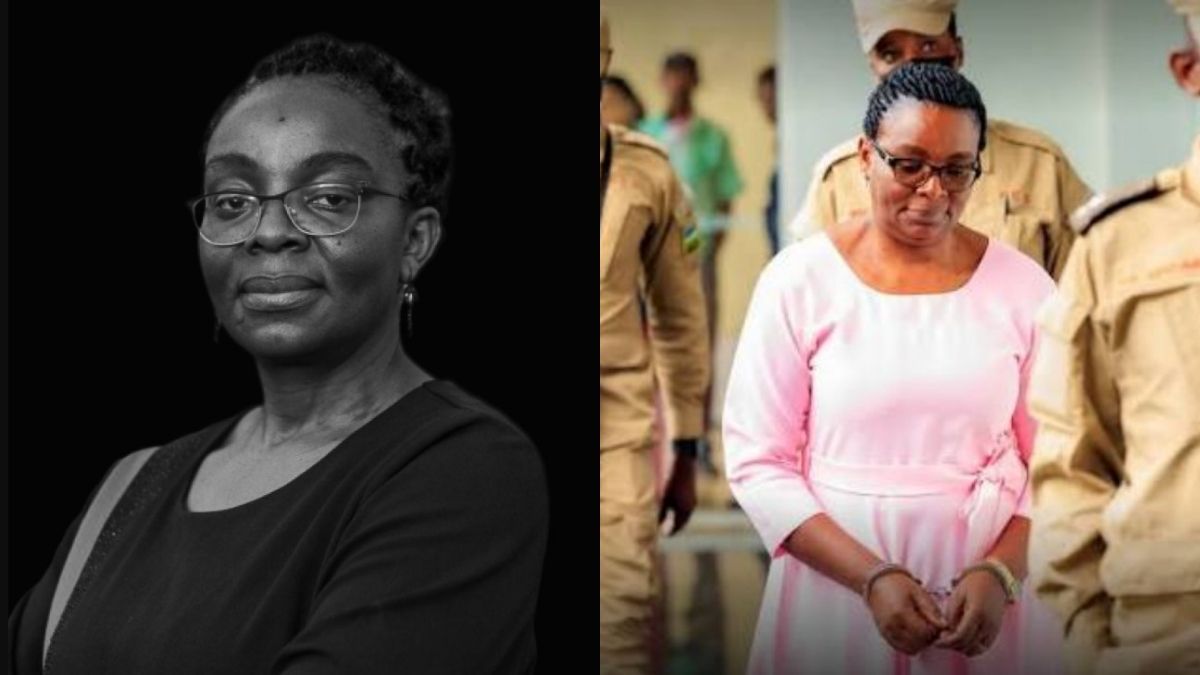
The UN Working Group on Arbitrary Detention has ruled that Rwanda’s detention of opposition leader Victoire Ingabire is arbitrary and unlawful, calling for her immediate release, compensation and an independent investigation into the officials responsible.
- UN Working Group rules Ingabire’s detention arbitrary and unlawful under international law.
- Panel demands her release, compensation and an independent investigation into responsible officials.
- Ingabire remains in pre-trial detention as prosecutors seek a life sentence.

The United Nations Working Group on Arbitrary Detention (WGAD) has ruled that the detention of prominent Rwandan opposition leader Victoire Ingabire is arbitrary and in violation of international law.
The decision, announced on 6 July 2026, calls on the Rwandan government to release Ingabire and to grant her the right to compensation and other reparations in line with international law.
The Human Rights Foundation (HRF), Freedom Now and the Lantos Foundation for Human Rights welcomed the ruling.
The three organisations had submitted an individual complaint on Ingabire’s behalf in November 2025.
The WGAD found that Ingabire’s detention resulted directly from her peaceful exercise of the rights to freedom of expression, association and participation in public affairs.
The panel also noted that Ingabire had been denied access to her lawyer and denied contact with her family. Both are violations under the International Covenant on Civil and Political Rights and the Universal Declaration of Human Rights.
Ingabire was arrested on 19 June 2025 at her home in Kigali, Rwanda. Hours earlier, she had been called as a witness in a trial involving eight members of her party and an independent journalist.
Her party, Development and Liberty for All (DALFA-Umurinzi), had nine members among the defendants in that case. Those defendants have been detained since 2021. The WGAD declared their detention arbitrary in 2024.
Prosecutors are seeking a life sentence for Ingabire. The charges include establishing or joining a criminal organisation, inciting public unrest and undermining the authority of the government.
Further charges allege that she spread false information to discredit Rwanda abroad, conspired to incite public disorder and conspired to organise a demonstration.
More than a year after her arrest, Ingabire remains in pre-trial detention. No trial date has been set.
The WGAD raised particular concern over the structure of the proceedings. The High Court had ordered prosecutors to investigate Ingabire’s role in the case against her party members and indicated that it expected her to be prosecuted.
The judges who ordered that investigation will also preside over her trial. The Working Group described this as a clear violation of the right to a fair trial before an independent court.
This is not the first time Ingabire has faced prosecution. She was arrested in 2010 after returning to Rwanda, having led an opposition coalition in exile.
She was imprisoned for nearly eight years on charges of genocide denial and of conspiring against the country through terrorism and war. Human rights experts condemned that trial as politically motivated.
Ingabire received a presidential pardon in 2018. She was nonetheless blocked from registering DALFA-Umurinzi and prohibited from leaving the country.
Roberto González, Chief Advocacy Officer at HRF, described Ingabire as a fearless opposition leader who had endured years of systematic persecution for exercising her fundamental rights.
“The breadth and transparently political nature of the charges against her reflect the continued instrumentalization of the criminal justice system to suppress dissent, punish democratic opposition, and foreclose genuine political pluralism,” González said.
He added that no one should be deprived of liberty for challenging those in power or for insisting that democracy requires a real opposition.
Dr Katrina Lantos Swett, president of the Lantos Foundation, said the Rwandan government, led by Paul Kagame, had a long record of using any means necessary to silence dissent, including imprisonment and extrajudicial killings.
“The WGAD’s decision provides important legal confirmation of what we can all plainly see: Ingabire is a political prisoner who is being punished because she has the courage and audacity to advocate for a free, just, and democratic Rwanda,” she said.
Andrea Prasow, executive director of Freedom Now, said the decision was a further repudiation of Rwanda’s wrongful imprisonment of Ingabire and of its wider human rights record.
“The Working Group has called not only for Ingabire’s immediate release, but for an independent investigation and consequences for the officials responsible. Rwanda’s international partners should insist on nothing less,” Prasow said.
HRF, Freedom Now and the Lantos Foundation, joined by international human rights lawyer Kate Gibson and human rights barrister Iain Edwards, urged the international community to hold the Rwandan government accountable.
They called for solidarity with Ingabire and with all prisoners of conscience in Rwanda.