Singapore retains top spot in Julius Baer's Lifestyle Index for fourth year
Singapore has topped the Julius Baer Global Wealth and Lifestyle Index for a fourth consecutive year, as Zurich overtakes London for second place and Monaco enters the top three, both driven mainly by currency strength rather than local price rises.
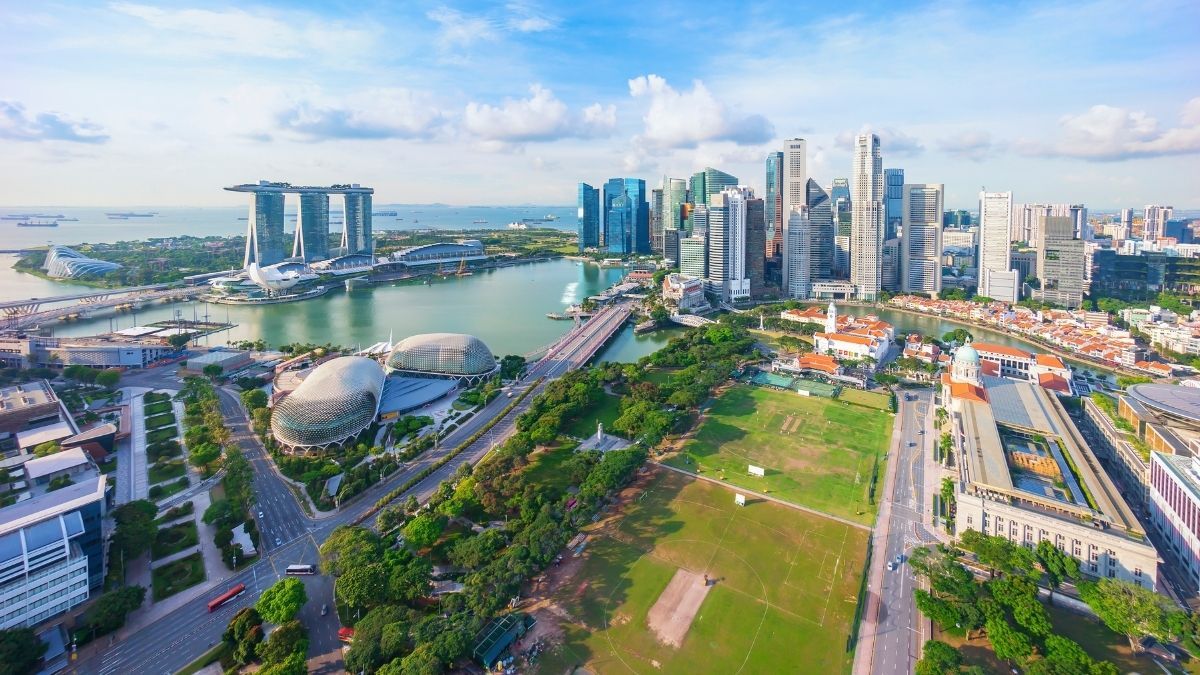
- Singapore ranks the world's most expensive city for the wealthy for a fourth straight year.
- Zurich and Monaco climbed on currency strength, pushing London and Hong Kong down the rankings.
- Gold's price surge drove double-digit increases in luxury jewellery and watch costs.

Singapore has retained its position as the world's most expensive city for high-net-worth individuals (HNWIs) for the fourth consecutive year, according to the Julius Baer Global Wealth and Lifestyle Report 2026, released on Tuesday, 7 July.
The report said the wealthy have shifted their focus from cost to value, prioritising cities that offer the best mix of stability, quality of life, and a healthy balance between income and expenses.
Singapore's top ranking reflects the high cost of residential property and cars, the two most heavily weighted categories in the index, alongside the continued strength of the Singapore dollar against the US dollar.
Moving down the rankings, Zurich climbed from fifth place in 2025 to second, overtaking London. The rise was propelled by the Swiss franc's (CHF) appreciation against the US dollar, rather than by local price increases.
The report attributed the franc's strength to Switzerland's political and financial stability, which allows it to act as a store of value during periods of global uncertainty.
Monaco entered the top three for the first time, pushing Hong Kong down to fourth place. A stronger euro, combined with high residential property prices in the principality, drove the increase in total costs measured in US dollars.
Singapore, Hong Kong, Shanghai, Sydney, Bangkok, Taipei, Tokyo, Jakarta, Mumbai and Manila took joint first place globally for the most expensive city to pursue a Master of Business Administration (MBA).
The report named Asia-Pacific the most expensive region worldwide for the qualification.
Singapore's standing shifted elsewhere. Having ranked third for healthcare costs in 2025, it fell to 23rd in 2026. Sao Paulo, Zurich and London took the top three spots for the most expensive healthcare.
Currency movements were not the only force reshaping the index. Rising raw material costs, particularly gold, which has more than doubled in price since 2024, pushed up the cost of luxury jewellery and watches.
Despite higher prices, the report said demand from wealthy consumers has remained resilient. This has allowed luxury brands to keep raising prices to preserve exclusivity and align pricing globally amid shifting currencies, logistics costs and tariffs.
As wealth becomes increasingly global and complex, the report said ultra-rich families are placing greater emphasis on where their assets and legal structures are based, particularly for tax, succession and governance purposes.
Mobility, both physical and financial, is becoming a defining feature of wealth in 2026, the report said. Wealthy individuals are choosing where to live and spend, and allocating assets across markets to capture currency trends and hedge geopolitical risk.
The report found that Asia-Pacific investors have stepped up portfolio adjustments amid geopolitical and macroeconomic uncertainty, with more than 70 per cent increasing diversification over the past year.
Many have turned to precious metals as a hedge. Beyond gold, platinum has gained traction among investors in China, while silver has seen renewed demand in India, both in physical markets and through exchange-traded products.
Asia-Pacific investors also displayed higher risk tolerance and a longer-term outlook than their global peers, with many increasing both investment and spending.
Some, however, took a more disciplined approach, boosting investment while cutting spending. Overall appetite remained firm, with equities the preferred asset class and cash rising to second place, ahead of real estate.
Asia-Pacific and the Middle East recorded the highest proportion of wealthy respondents reporting increased luxury spending over the past 12 months. Hotel suites, fine dining and business class flights were among the top five categories of higher spending in both regions.