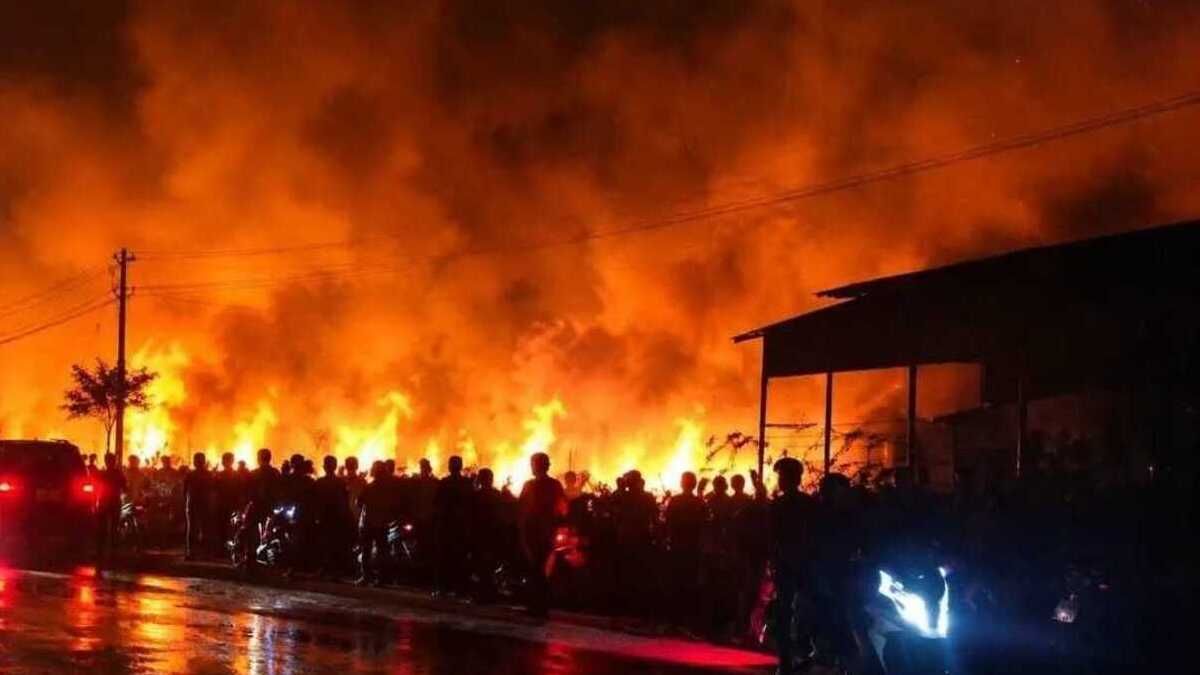
Southern Europe battles major wildfires as blazes spread across four countries
Wildfires are sweeping across Portugal, Greece, Spain and France, forcing evacuations, disrupting tourism and prompting international firefighting assistance amid warnings of a severe 2026 fire season.
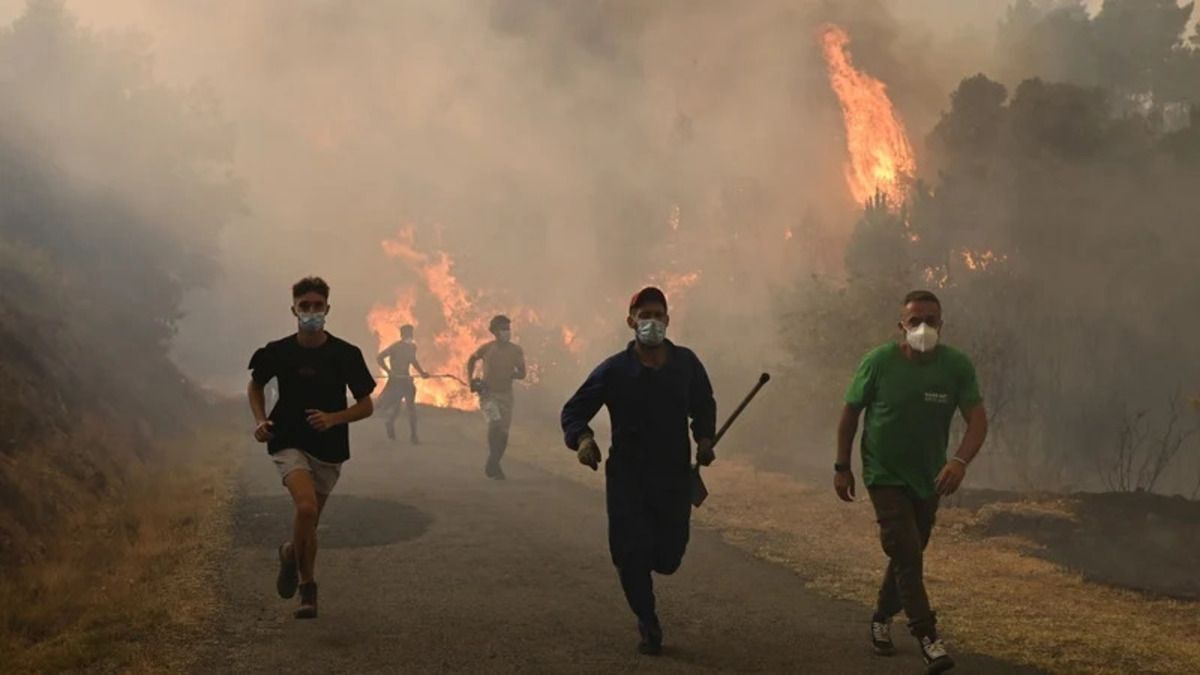
- Wildfires across four southern European countries have forced evacuations and prompted international emergency assistance.
- Portugal and Greece are battling the largest active blazes, while fires have disrupted Spain and France.
- The European Union has expanded firefighting resources amid forecasts of another severe wildfire season.

Wildfires are sweeping across southern Europe, with major blazes burning in Portugal, Greece, Spain and France as authorities struggle to contain fast-moving fires fuelled by dry conditions and strong winds.
The fires have prompted evacuations, public health warnings and cross-border emergency assistance, while threatening tourism and major sporting events at the height of the summer holiday season.
The latest outbreaks come just weeks after an intense early-summer heatwave affected much of western and southern Europe.
European authorities have warned that the 2026 wildfire season could be among the most severe in recent years, prompting the European Union to deploy its largest-ever pre-positioned firefighting force across vulnerable member states.
Portugal receives international assistance
Portugal remains one of the worst-affected countries, where a wildfire burning since Thursday in the central Vouzela region has scorched around 12,000 hectares (30,000 acres) of land.
More than 1,200 firefighters, supported by nearly 400 emergency vehicles and 15 aircraft, have been deployed to contain the blaze. Although officials reported on Sunday that the fire's main fronts had largely been brought under control, firefighters continued tackling numerous hotspots to prevent flare-ups.
The scale of the emergency prompted neighbouring countries to provide assistance through the European Union Civil Protection Mechanism.
Spain dispatched 120 firefighters and 45 vehicles, while Italy and Spain also sent specialised water-bombing aircraft to reinforce Portuguese crews. The cross-border response highlights the increasing reliance on regional co-operation as wildfires become larger and more frequent across southern Europe.
Greece battles multiple fires and toxic smoke
In Greece, authorities have been fighting several major fires simultaneously.
A fast-moving wildfire west of Athens broke out on Sunday in the Mandra area, burning through pine forests.
More than 200 firefighters, assisted by specialist units, volunteers and nearly 30 firefighting aircraft, were deployed in an effort to contain the blaze before nightfall, when aerial operations become impossible.
In northern Greece, residents in parts of Thessaloniki were ordered to remain indoors and keep windows and doors closed after a recycling plant caught fire, producing dense toxic smoke.
The blaze triggered evacuation alerts for several suburbs and a care facility housing more than 150 people with disabilities. Authorities said strong winds complicated firefighting efforts overnight before aircraft were able to join operations at first light.
Police arrested a 76-year-old man on suspicion of accidentally starting the Thessaloniki fire after sparks from his vehicle allegedly ignited roadside vegetation. He is expected to face prosecutors.
Greek fire officials estimate that around 85 per cent of wildfires in the country are caused by human negligence, including agricultural machinery, discarded cigarettes and outdoor barbecues. Officials say many of these fires could have been prevented.
The latest incidents follow another deadly wildfire near Thessaloniki earlier this week that claimed the lives of a father and his 12-year-old son.
Spain's Costa Brava fire forces evacuations
Spain is also battling significant wildfires, particularly in the northeastern Catalonia region near the Costa Brava.
A wildfire in Girona province has burned approximately 2,200 hectares (5,400 acres) since Friday. Authorities said the blaze has created a fire perimeter stretching roughly 40 kilometres, making containment difficult despite large-scale firefighting operations.
Thousands of residents were either evacuated or instructed to remain indoors as smoke spread across nearby communities. Local media reported that nearly 50,000 people were affected by emergency restrictions.
Authorities have detained a man suspected of accidentally igniting the fire while using an angle grinder during roadside maintenance work.
France wildfire disrupts Tour de France
Wildfires have also spread into southern France, where a large blaze in the Pyrenees-Orientales department has disrupted the Tour de France.
Officials decided that Monday's third stage of the race would proceed, but spectators have been banned from the French section of the route to allow emergency services to concentrate on firefighting operations. The race's promotional caravan will also bypass the affected area.
The fire has burned more than 1,600 hectares and forced the evacuation of over 10,000 residents. Around 750 firefighters, supported by 200 vehicles and nine aircraft, have been deployed.
Two people—a firefighter and a local resident—remain in critical condition after being injured while responding to the blaze.
Another wildfire is also burning in France's Drôme department, where hundreds of firefighters are attempting to contain flames in mountainous terrain.
Climate and tourism concerns grow
The latest fires are occurring during the peak European summer tourism season, affecting several popular holiday destinations including Portugal, Greece, Spain's Costa Brava and southern France.
Authorities across southern Europe remain on high alert as temperatures are forecast to climb again this week, with some regions expected to approach 40°C following June's record-breaking heatwave.
Scientists have warned that prolonged heat, drought and strong winds are creating increasingly dangerous wildfire conditions across the Mediterranean basin.
The European Union has significantly expanded its wildfire preparedness this year by pre-positioning firefighters, aircraft and emergency equipment across several high-risk countries, including Portugal, Spain, France, Greece, Cyprus and Italy, in anticipation of another challenging fire season.