680,000 children need aid after Venezuela earthquakes, says UNICEF
UNICEF says an estimated 680,000 children require humanitarian assistance following Venezuela's devastating earthquakes. Damaged schools, hospitals and water systems have disrupted essential services as aid agencies scale up emergency relief efforts.
- UNICEF estimates 680,000 children need humanitarian assistance following Venezuela's earthquakes.
- Hundreds of schools, hospitals and water systems have been damaged across affected areas.
- UNICEF has begun delivering emergency aid while appealing for additional funding.

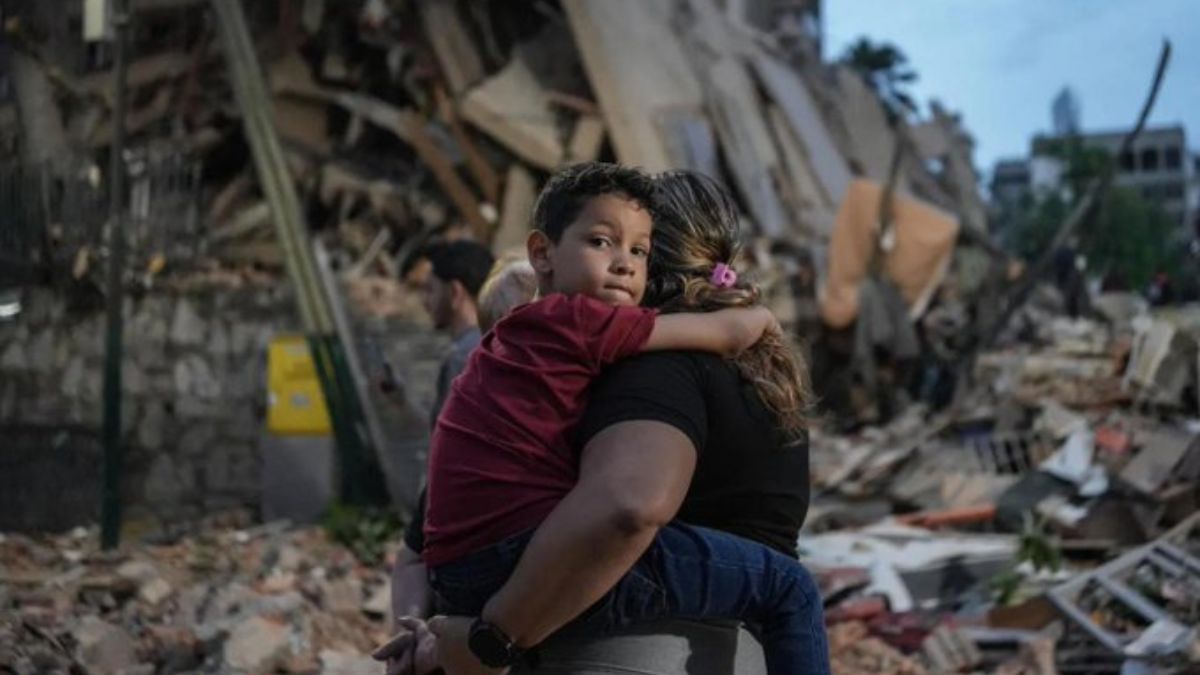
An estimated 680,000 children are in need of humanitarian assistance following the powerful earthquakes that struck Venezuela on 24 June 2026, according to UNICEF.
The agency said children are among the most vulnerable groups affected by the disaster, which damaged homes, schools, healthcare facilities, water systems and other critical infrastructure across six states.
The latest assessment comes as rescue and recovery efforts continue after twin earthquakes measuring magnitude 7.2 and 7.5 struck less than a minute apart, triggering one of the most significant seismic events to hit Venezuela in more than a century.
According to Venezuelan authorities cited by the United Nations, at least 1,719 people have been confirmed dead, around 5,000 injured and approximately 12,000 displaced as of 29 June.
Schools, hospitals and water systems damaged
UNICEF estimates that approximately 1.8 million people, including 680,000 children, require humanitarian assistance following the disaster.
The agency said hospitals across La Guaira, Caracas, Carabobo, Aragua and Falcón states sustained severe damage, placing additional pressure on healthcare services and affecting treatment for children and pregnant women.
According to UNICEF, preliminary assessments found that 432 schools in the Capital District alone were damaged, representing more than one-third of schools in the district.
The agency warned that the total number is expected to rise as assessments continue in other affected states.
Many damaged schools are now being used as temporary shelters for displaced families who have lost their homes or are unable to safely return due to ongoing aftershocks.
Water and sanitation concerns
UNICEF said damage to water infrastructure has disrupted access to safe drinking water for thousands of families.
The agency warned that interruptions to water and sanitation services increase the risk of disease outbreaks, particularly among children.
Families in some of the worst-affected areas continue to sleep outdoors due to fears of additional building collapses and aftershocks.
Communities remain at risk as hundreds of aftershocks continue to be recorded across affected regions.
Emergency aid begins arriving
In response to the crisis, UNICEF has activated a scaled-up emergency operation alongside Venezuelan authorities, United Nations agencies and humanitarian partners.
The organisation said it has deployed additional emergency personnel and mobilised supplies to reach an estimated 650,000 people, including 234,000 children.
A first air shipment carrying 20 metric tonnes of medical supplies, water and sanitation items arrived in Valencia from UNICEF's regional warehouse in Panama on 27 June.
A second and larger shipment arrived on 30 June.
The latest delivery included 47 metric tonnes of humanitarian supplies mobilised from a European Union stockpile hosted at UNICEF's global supply and logistics hub in Copenhagen.
The shipment contained emergency health kits, supplies for safe births and newborn care, water purification equipment, water storage containers, tents for child-friendly spaces, wheelchairs, recreational materials and early childhood development supplies.
UNICEF said the combined shipments are expected to support more than 100,000 children and families over a three-month period.
Aid agencies warn needs remain far greater
UNICEF Regional Director for Latin America and the Caribbean Roberto Benes said humanitarian needs continue to exceed the assistance currently available.
"Families across the affected states are in urgent need of safe water, as well as access to health care," he said.
"Many are sleeping outside, afraid of more aftershocks. These supplies will help us reach children and families with what they need most right now – medical care, clean water, safe spaces."
Benes added that the needs on the ground remain far greater than the aid delivered so far and called for continued international support.
Funding appeal launched
UNICEF estimates that US$52 million is required to respond to the earthquake emergency.
The appeal forms part of the agency's wider 2026 Humanitarian Action for Children programme in Venezuela, which requires US$137.6 million in funding but was only 35 per cent funded before the earthquakes occurred.
The organisation said it has already mobilised approximately US$3.5 million from its internal emergency funds to support the rapid deployment of supplies and personnel.
UNICEF is now appealing for additional flexible funding to sustain and expand its operations in the weeks and months ahead.
Long recovery ahead
Humanitarian agencies have warned that recovery from the disaster is likely to take years.
Thousands of families remain displaced, while damaged schools, hospitals and public infrastructure will require extensive repairs or reconstruction.
UNICEF said protecting children, restoring access to education and healthcare, and ensuring safe water supplies will remain among the top priorities as Venezuela moves from emergency response to long-term recovery.