US denies Palestinian President Mahmoud Abbas visa to attend UN General Assembly
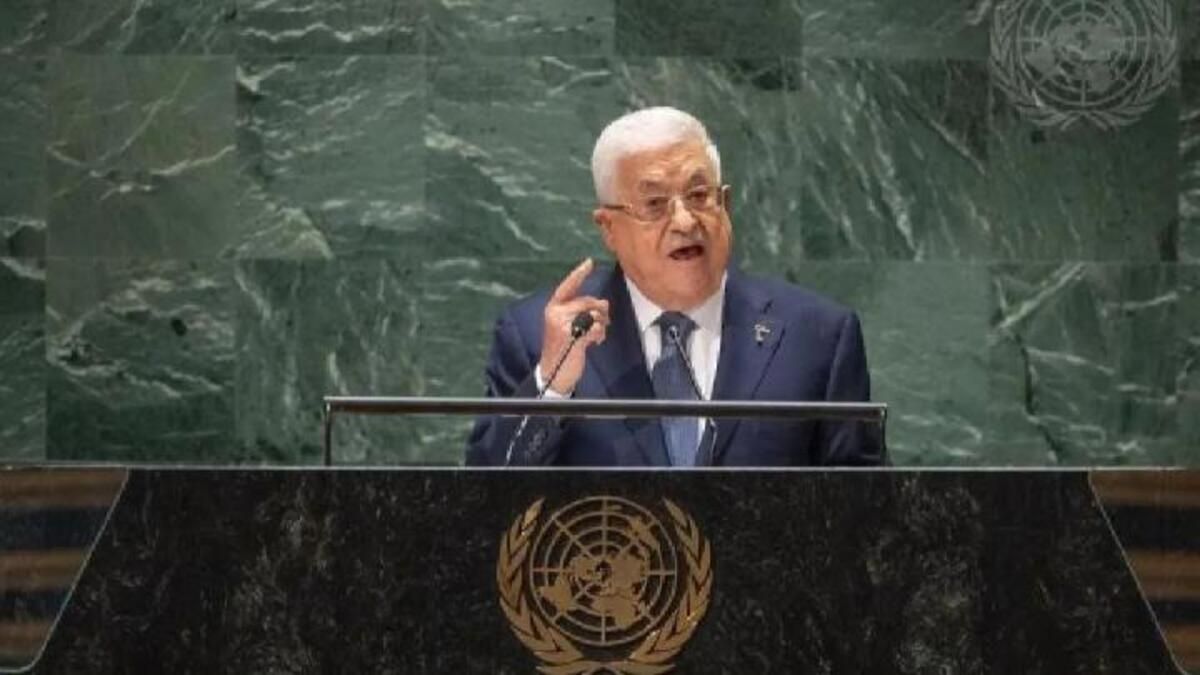
The United States has denied Palestinian President Mahmoud Abbas a visa to attend the UN General Assembly in New York next week, Palestinian officials said, prompting the assembly to approve his participation by video for a second consecutive year.
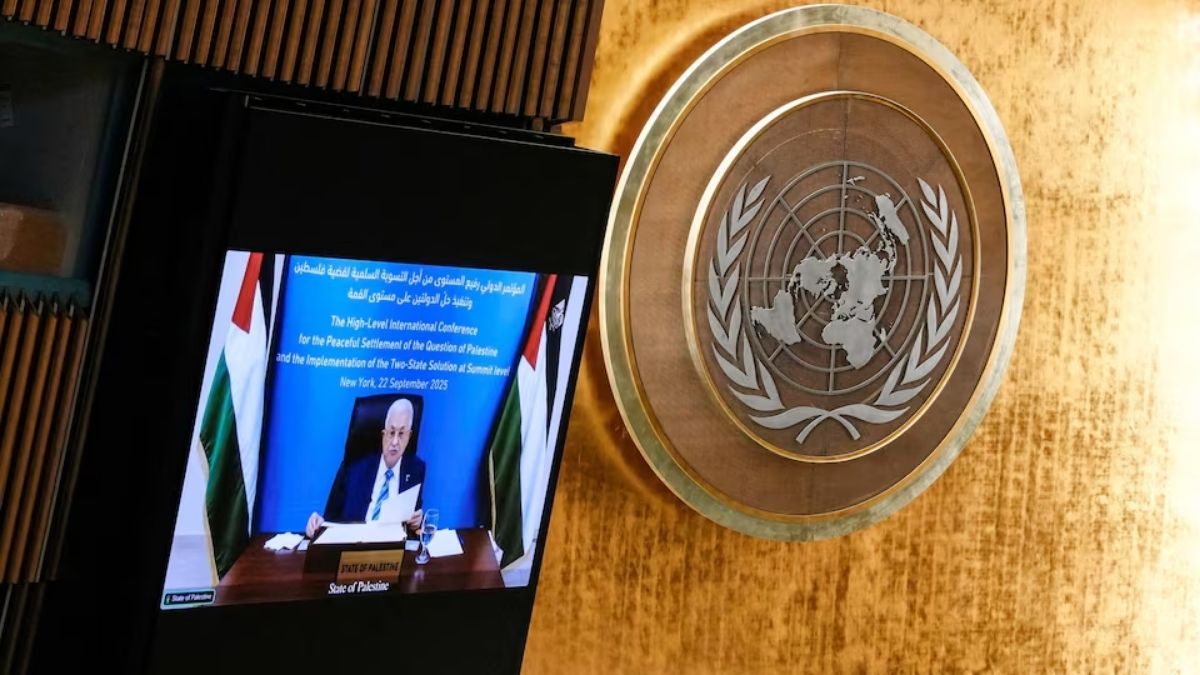
- The General Assembly voted 152-3 to permit Mahmoud Abbas to address its annual gathering remotely.
- The US extended visa sanctions against Palestinian officials over actions it says internationalise the Israeli-Palestinian conflict.
- The vote comes as the UN continues to warn of a dire humanitarian situation in Gaza.

The United Nations General Assembly voted on Thursday to allow Palestinian President Mahmoud Abbas to address its annual gathering of world leaders by video after the United States denied him a visa to travel to New York.
The resolution received 152 votes in favour and three against, while four countries abstained. It also allows Abbas and other high-level Palestinian officials to participate by video in UN meetings or conferences over the next year if they are prevented from travelling to the United States.
Two Palestinian sources said that Abbas had been denied a US entry visa, according to BBC. A Palestinian official, speaking on condition of anonymity, also confirmed the decision to Reuters.
The vote means Abbas will address the General Assembly remotely for the second year in a row. He also addressed last year's gathering of leaders and heads of state by video after the United States denied visas to Palestinian officials.
Washington extends visa sanctions
The US State Department said on Wednesday that it was extending visa sanctions against Palestinian officials, without naming Abbas specifically.
Washington said the officials had taken actions to "internationalize the Israeli-Palestinian conflict", including pursuing cases against Israel at international tribunals.
The US had initially imposed the sanctions in August last year, when about 80 Palestinian officials were denied visas for the annual UN meeting in New York. The measures affected members of the Palestine Liberation Organization (PLO) and the Palestinian Authority (PA).
Before Thursday's vote, US Deputy Ambassador to the United Nations Tammy Bruce said the Palestinian Authority needed to change its approach.
"If the PA wants to be treated as a partner, it must stop subsidizing terror and stop using diplomatic theater as a substitute for serious governance," Bruce told the General Assembly.
The United States has also accused the PA and PLO of "glorifying terrorism" and attempting to "internationalize" the Israeli-Palestinian conflict.
Palestinians condemn US decision
Palestinian leaders rejected and condemned the US decision, Palestinian UN envoy Riyad Mansour told the General Assembly.
In a statement on Thursday, the Palestinian foreign ministry described the visa sanctions as "an unjustified measure that runs counter to efforts to rebuild trust, develop Palestinian-US relations, and create the necessary political climate for implementing the two-state solution and achieving peace and stability".
Palestinian officials have rejected longstanding accusations from the Trump administration and Israel, saying they have a right under international law to seek accountability against an occupying force.
After the visa decision last year, a representative for Abbas said the move stood "in clear contradiction to international law and the UN Headquarters Agreement".
Dispute over access to UN headquarters
Under the 1947 UN Headquarters Agreement, the United States is generally required to allow foreign diplomats access to the UN headquarters in New York.
Washington, however, has said it can deny visas for reasons including security, extremism and foreign policy.
The Palestinian Authority was established under the Oslo peace accords. The Palestine Liberation Organization was recognised through the same process as the official representative of the Palestinian people in return for recognising Israel and renouncing violence.
The State of Palestine is currently recognised by around 75% of the UN's 193 member states, including Britain, France, Canada and Australia. Among the UN Security Council's five permanent members, the United States is the only one that has not recognised a Palestinian state.
Gaza humanitarian situation remains dire
The dispute over Abbas' attendance comes as the United Nations has warned that the humanitarian situation in Gaza remains dire despite the ceasefire agreed last October.
Israeli air strikes and other attacks continue to hit populated areas, causing casualties and property damage and driving further displacement, according to the UN.
The General Assembly is due to hold its annual gathering of world leaders in New York next week.