Indonesia earthquake death toll reaches 111 as more than 10,000 aftershocks hit Flores
A magnitude 7.7 earthquake in Indonesia’s eastern province of East Nusa Tenggara has killed 111 people. More than 10,000 aftershocks have rattled the region, while thousands of survivors face shortages of shelter, clean water, blankets and medicine.
- BNPB said six additional indirect fatalities brought the earthquake death toll to 111.
- BMKG recorded 10,232 aftershocks by 5am on 31 August, including 35 above magnitude 5.
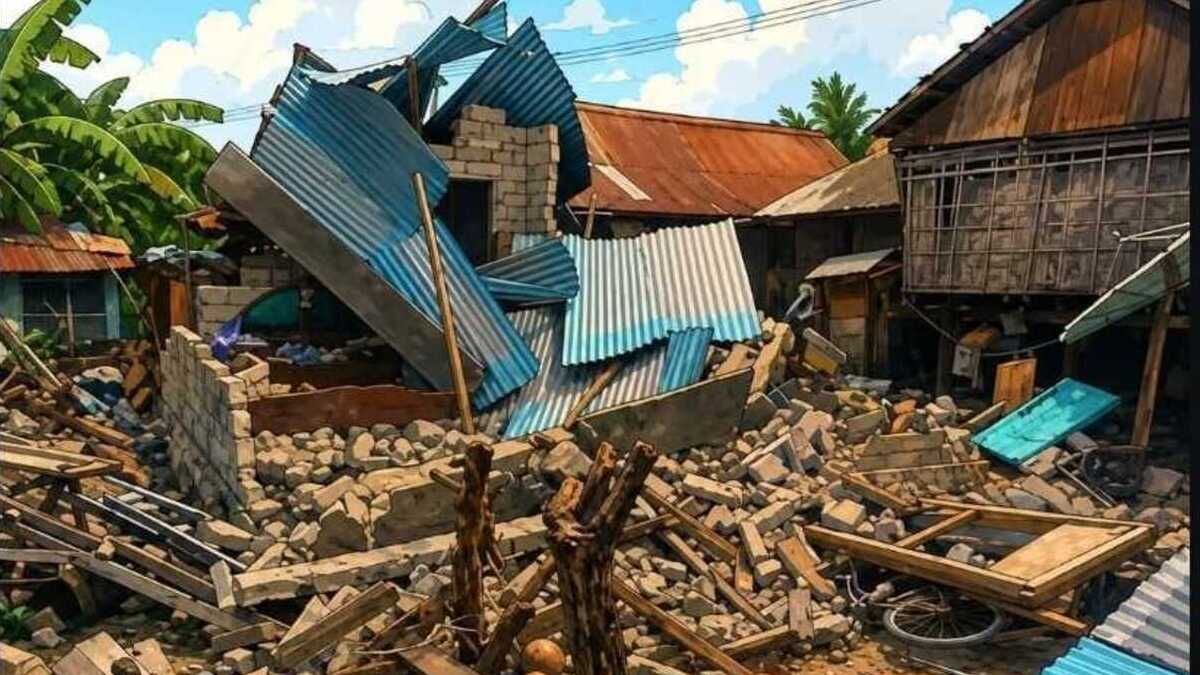
- More than 53,000 houses were damaged, leaving many survivors dependent on emergency shelters.

The death toll from the magnitude 7.7 earthquake that struck Flores in Indonesia's East Nusa Tenggara province has risen to 111, while more than 10,000 aftershocks have continued to shake the region and thousands of survivors remain in difficult conditions at evacuation shelters.
The National Disaster Mitigation Agency (BNPB) said six additional people had died, bringing the total number of fatalities to 111.
"Six more people have died, bringing the total number of fatalities to 111," Acting Head of the BNPB Data and Information Centre Berton Suar Pelita Panjaitan said during a press conference broadcast on BNPB's YouTube channel on 27 August.
The six additional deaths were classified as indirect fatalities, according to the BNPB.
The earthquake struck Flores on 15 August, affecting several areas of East Nusa Tenggara, a province in eastern Indonesia that includes the islands of Flores, Sumba, Timor and several smaller islands.
While emergency response efforts have continued, survivors in some areas are still facing shortages of shelter, blankets, clean water, medicines and other basic necessities.
More than 10,000 aftershocks
The seismic activity has continued well beyond the initial earthquake.
The Meteorology, Climatology and Geophysical Agency (BMKG) said 10,232 aftershocks had been recorded by 5am local time on 31 August.
The largest aftershock had a magnitude of 6.2, while the smallest was magnitude 1.0. Thirty-five aftershocks had a magnitude above 5, while 157 were strong enough to be felt by residents.
The BMKG said the pattern of earthquake activity had begun to show a decline, but aftershocks were expected to continue for around three to four weeks.
Earlier, the BNPB had recorded 8,193 aftershocks as of 27 August, including 146 that were felt by residents.
The continuing tremors have complicated conditions for people who have been unable to return to their homes because of damage or safety concerns.
More than 53,000 houses damaged
The scale of the destruction has left large numbers of residents dependent on emergency accommodation.
The BNPB recorded 53,971 damaged houses in the affected areas by 23 August. Damage assessments were being carried out across seven districts as authorities worked to verify the extent of destruction.
The earthquake also damaged electricity and telecommunications infrastructure, while landslides disrupted roads in several locations.
Authorities have worked to restore access along major routes, including the Trans-Flores road, an important transport link connecting communities across the island.
For residents in remote and island communities, however, delivering emergency supplies remains particularly challenging.
The BNPB has sent logistical assistance, medical equipment and communications equipment to affected communities, including those on smaller islands.
Two-year-old dies after falling ill at evacuation shelter
The difficult conditions at some shelters have also had tragic consequences.
Mario Calviano Guru, a two-year-old child from Nagekeo, died on 20 August after falling ill while staying at the Bukit Puta evacuation shelter.
According to his family, Calviano was taken to hospital for treatment. He was initially brought to Aeramo Hospital before being referred to Bajawa Hospital after developing a high fever.
His family said the fever caused his body to become stiff and led to seizures.
Afik, a local resident and volunteer, confirmed the child's death. He said Calviano had been staying at the shelter with his family, where facilities were limited.
A shortage of blankets meant many residents of Marapokot Village had to endure cold nights at the evacuation site. The area was also facing a shortage of clean water.
"The child fell ill and was treated, but eventually died," Afik said.
Jack, a member of Calviano's family, said the child had previously been healthy.
"This child was previously healthy and very energetic. He fell ill because of exposure to the cold at the evacuation site. That is what has left me deeply devastated," he said.
Evacuees remain exposed to difficult conditions
The death of the toddler has drawn attention to the conditions facing people who remain at evacuation shelters more than two weeks after the earthquake.
Jack said some evacuees were still staying without tents or adequate facilities and called for immediate assistance.
"We urgently ask for help. This is a serious situation. The victim was only two years old. He fell ill simply because of the difficult conditions on the hill, without mosquito nets and without a tent," he said.
Volunteers working at the shelters said other survivors were continuing to cope with cold weather, inadequate accommodation, shortages of medicines and limited access to basic necessities.
The continuing aftershocks have also left families and evacuees anxious, particularly those who are unable to return to damaged homes.
Authorities report no further fatalities
Despite the continuing difficulties, the BNPB said there had been no further reports of deaths in the days leading up to its 30 August update.
Berton said the agency had not received any new reports of fatalities after the total reached 111.
"After the earthquake occurred, we received reports of fatalities and injuries. As of today, and over the past several days, we have not received any further reports of new fatalities, so the total number of deaths is 111," he said.
Emergency operations remain focused on providing food, water, shelter and medical assistance, restoring damaged infrastructure and reaching communities affected by the earthquake.
For residents still living in evacuation shelters, however, the immediate challenges remain basic: protection from the cold, access to clean water and medicines, and adequate shelter while the ground continues to shake.
With aftershocks expected to continue for several more weeks, authorities and volunteers are continuing to provide assistance to communities across Flores and other affected parts of East Nusa Tenggara.