Air India reportedly seeks US$1.5 billion from Tata Sons and Singapore Airlines amid mounting losses
Air India is reportedly seeking about US$1.5 billion in fresh equity from Tata Sons and Singapore Airlines as the carrier faces mounting losses and the costs of a multi-billion-dollar transformation.
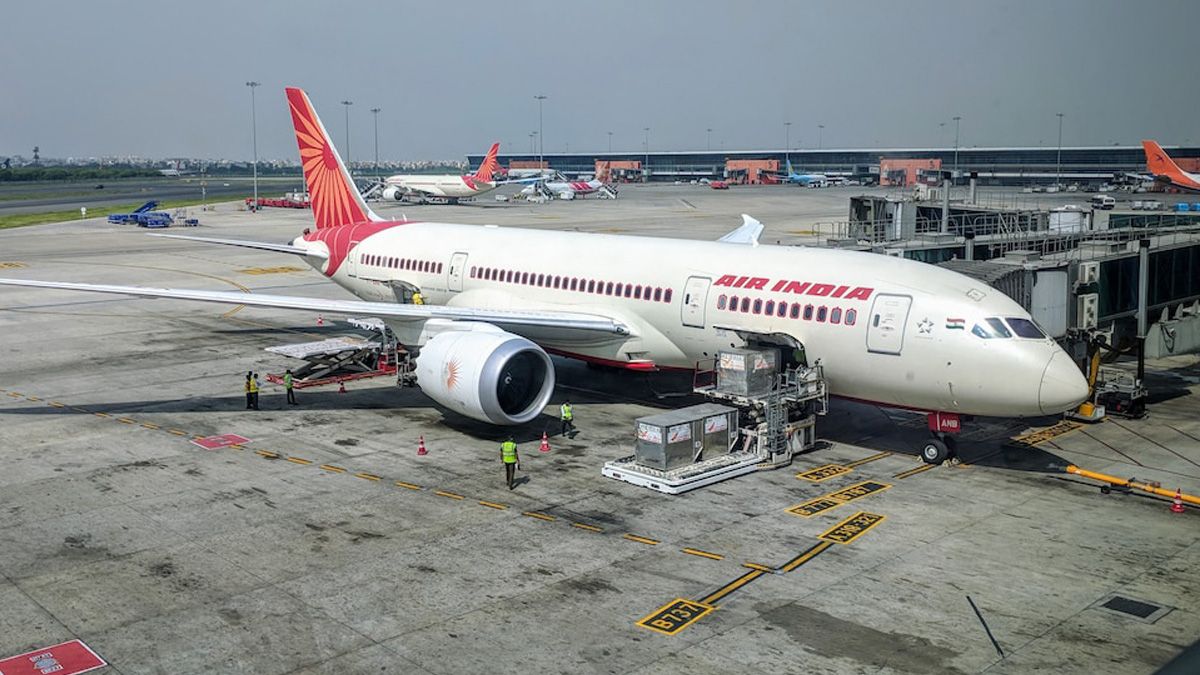
- Air India is reportedly seeking about US$1.5 billion in fresh equity from Tata Sons and Singapore Airlines.
- The funding request follows combined losses of US$2.33 billion for Air India and Air India Express.
- The airline faces continued pressure from operational disruption, geopolitical restrictions, fleet issues and its costly transformation.

Air India is seeking about US$1.5 billion in fresh equity from its owners, Tata Sons and Singapore Airlines (SIA), according to an exclusive Reuters report citing two people familiar with the matter.
The request comes months after Air India recorded a record annual loss of about US$2.4 billion and as the airline continues a multi-billion-dollar transformation programme.
Reuters reported that the proposed funding would be one of Air India’s largest publicly reported requests for shareholder support since Tata took control of the former state-owned carrier in 2022.
The discussions are ongoing and no decision has been taken, the two sources said.
They declined to be named because they were not authorised to discuss the matter publicly.
One source said Air India wanted the funds immediately, although the proposed infusion was likely to take place in tranches.
“SIA would need to contribute its share of the proposed infusion for the investment to go through,” the source said.
Air India and Tata Sons did not respond to Reuters requests for comment.
Singapore Airlines, which owns about 25 per cent of Air India, said it was working closely with Tata Sons to support the carrier’s transformation programme, but declined to comment on Air India’s finances.
Losses weigh on the transformation
Air India and its budget subsidiary Air India Express recorded combined losses of US$2.33 billion in the fiscal year ended March, more than double their losses in the previous year.
The financial strain has also weighed on Singapore Airlines’ results.
According to a Financial Times report earlier this month, SIA had booked operating losses of about S$1 billion (US$780 million) on Air India less than two years after acquiring its 25 per cent stake.
FT described the losses as coming as Air India’s ambitious turnaround was hit by a deadly crash, airspace restrictions and wider pressures affecting the aviation industry.
An SIA executive described the previous year for Air India as “an annus horribilis”, reflecting what the executive characterised as a combination of operational, financial and geopolitical difficulties.
“Air India is trying to undergo a major transformation — the likes of which have probably never been seen in the airline industry — while also dealing with all these other issues,” the executive told the Financial Times.
“The timing could not have been worse.”
SIA nevertheless said Air India had made progress with its transformation programme, which covers customer experience, fleet and network expansion, products and services, and operational performance.
Air India has been seeking to overhaul its existing fleet as part of the wider restructuring. Reuters reported earlier this year that the carrier had also sought to defer deliveries of hundreds of aircraft ordered from Airbus and Boeing as Tata presses the airline to cut costs and reduce its record losses.
A succession of setbacks
Air India’s transformation suffered a major setback in June 2025 when Flight 171 crashed shortly after take-off from Ahmedabad, killing 260 people.
Indian authorities have yet to conclude their investigation into the crash. Following the incident, Air India reduced parts of its schedule, inspected its Boeing 787 fleet and increased pre-flight checks.
The carrier has also been affected by Pakistan’s airspace restrictions on Indian airlines following renewed conflict between India and Pakistan.
Air India said the restrictions caused US$600 million in losses, adding to the financial pressure on the airline.
Supply-chain problems, higher jet fuel costs and depreciation of the Indian rupee have also affected the carrier as it attempts to execute its transformation programme.
Tata Sons Chair N Chandrasekaran has described the challenges confronting Air India as a “perfect storm”.
Chandrasekaran has said the airline’s turnaround could take up to a decade, citing persistent supply-chain disruptions and the need to overhaul its legacy systems, organisational culture and fleet.
The company has also faced disruption to its international network linked to the US-Israeli war with Iran, adding another challenge to its efforts to stabilise operations.
Pressure on SIA and Air India
Air India’s financial difficulties have had a direct impact on Singapore Airlines.
Air India contributed S$945 million to SIA’s losses for the year ended March 2026.
The latest reported funding request therefore comes as both shareholders face the continuing financial demands of Air India’s restructuring.
One of the Reuters sources said the airline was expected to require further capital in the coming years.
“Air India is expected to continue requiring capital infusions in the coming years,” the source said.
The proposed US$1.5 billion equity request would therefore come against the backdrop of continuing investment requirements, including fleet refurbishment, operational improvements and the broader transformation programme.
Leadership changes are also taking place. Chandrasekaran is preparing to step down as Tata Sons chair in February after months of disagreements with the group’s controlling charitable trust, with Air India’s losses among the issues involved.
At Air India, former Ethiopian Airlines chief Tewolde Gebremariam has been appointed chief executive following Campbell Wilson’s resignation.
Safety concerns have also remained part of the airline’s recent challenges.
The pilot of an Air India A320 that dropped about 90 metres during a flight from Phuket to Delhi on 4 August tested positive for marijuana in a second screening.
'A long game with no shortcut'
SIA chief executive Goh Choon Phong has previously characterised the transformation as a lengthy undertaking.
Speaking at the group’s annual results in May 2026, according to a separate report by CNA, Goh was asked when shareholders could expect Air India’s turnaround to produce results.
“It is going to be a long game,” he said. “There is no shortcut.”
The investment has also revived comparisons with Singapore Airlines’ previous attempts to expand internationally.
In 2004, SIA booked hundreds of millions of dollars in losses after selling its stake in Air New Zealand after four years.
The company also suffered substantial losses after exiting investments in Virgin Atlantic and Virgin Australia. Virgin Australia later collapsed in 2020 and was taken over by Bain Capital.
SIA nevertheless continues to describe Air India as strategically important to its multi-hub ambitions.