Kishore Mahbubani opines: Gaza conflict dents U.S. image on global stage
Kishore Mahbubani discusses the U.S. foreign aid bill's impact, noting a stark divide between American and global views on Gaza, which has significantly dented America's international image.
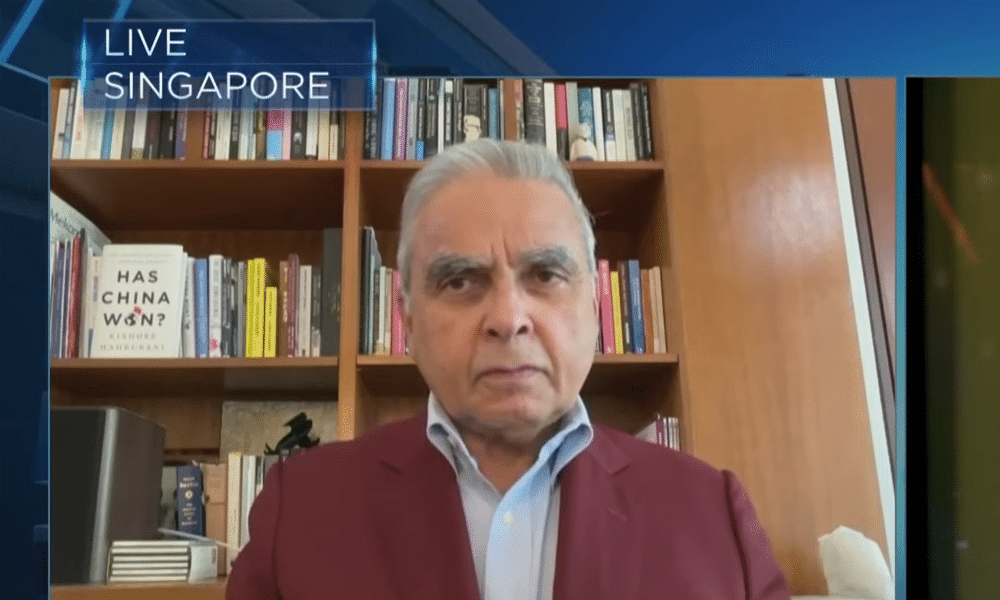

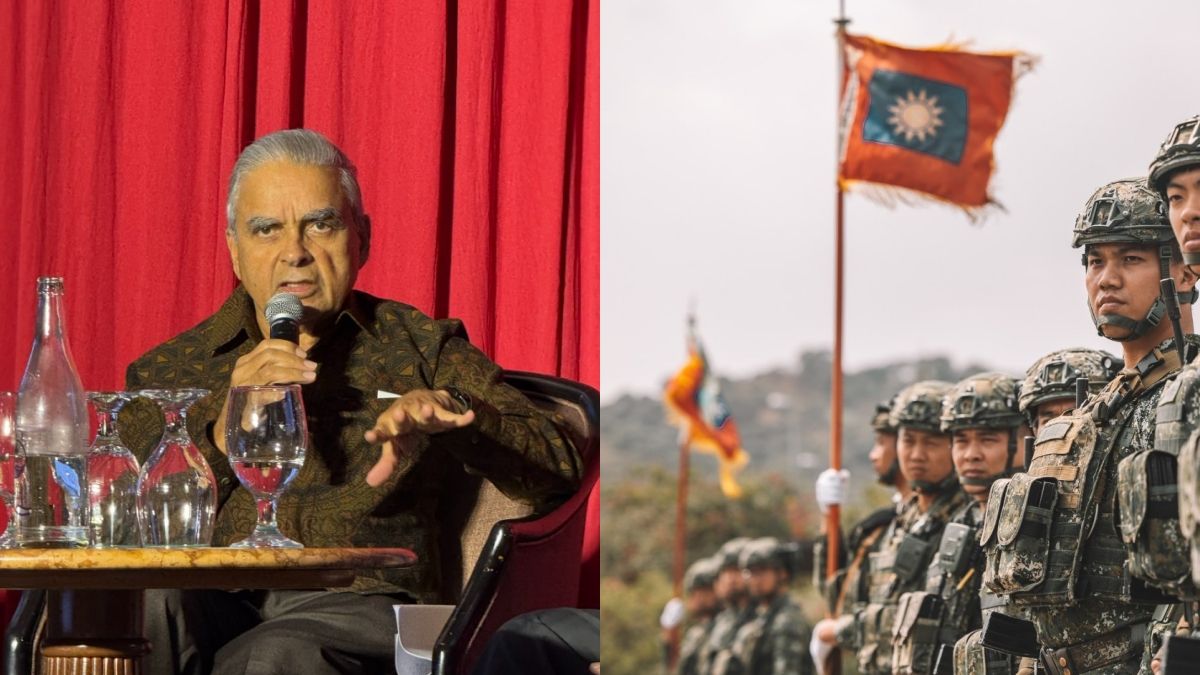
American news channel CNBC hosted Kishore Mahbubani, a distinguished fellow at the National University of Singapore's Asia Research Institute, to discuss the implications of the recent U.S. foreign aid package and the broader geopolitical context, including U.S.-China relations.
In the interview, the CNBC presenter queried about the recent passage of the U.S. foreign aid bill, specifically its implications for Israel, suggesting that some critics view it as an American endorsement for further violence in Gaza.
Responding to this, Kishore highlighted a significant discrepancy: "Well, I think there is certainly a gap between global public opinion and American public opinion on the subject of what's happening in Gaza today."
He criticized the U.S. support, implicitly complicit through the new aid bill, for exacerbating the conflict. "While Israel was perfectly justified to defend itself, what’s happened so far in Gaza has actually shocked the world," he remarked, emphasizing the need for greater humanitarian action.
Reflecting on the significant aid package signed by President Joe Biden on Wednesday, which includes $95 billion aimed at supporting Ukraine, Israel, and Taiwan, Kishore highlighted the political and ethical challenges it presents.
This bill comes amidst devastating reports from Gaza, where the Health Ministry announced a death toll that has surged to 34,305 since last October, with 77,293 others injured.
Discussing internal pressures facing President Biden, Kishore highlighted the delicate balance the President must maintain during an election year.
"It’d be very, very difficult for President Joe Biden to go against the formidable influence that Israel has in the United States," he explained, suggesting that the recent aid might be seen as an American endorsement of ongoing military actions, which have been widely condemned globally.
The discussion then shifted to U.S. domestic responses to the Gaza situation, with Kishore noting, "And as you know, we are also going to discuss Tony Blinken’s visit to China. The main priority for the United States today is to engage in a global campaign to ensure that he remains far more influential and far more powerful globally." He articulated concerns about the potential political fallout for Biden, especially given the strong sentiments within key swing states.
"If I was advising him privately, I would say this is the time for him to appear to look very strong and decisive in saying these are strong American interests in ensuring greater support for humanitarian operations in Gaza," he suggested.
Regarding the separate question about U.S.-China relations stemming from provisions targeting TikTok in the recent legislation, Kishore pointed out the nuanced role this issue plays in the larger geopolitical game.
"TikTok itself is not going to be a major factor in U.S.-China relations. But, paradoxically, it could become a bigger factor in the elections," he noted. He underscored the importance of the youth vote, many of whom are avid TikTok users, in the upcoming election.
Kishore concluded by emphasizing the significance of the U.S. maintaining a strong, strategic stance not only towards Gaza but also in its competition with China. He stressed the importance of Biden navigating these challenges without appearing weak, especially with critical accusations from opposition figures looming in the backdrop.