Indonesia’s biodiesel expansion plan sparks backlash over 12.7 million hectares of degraded forest
Indonesian presidential special envoy Hashim Djojohadikusumo faces environmental criticism over a proposal to use 12.7 million hectares of degraded forest for biodiesel production, raising questions about land conversion, ecological restoration and forest protection.
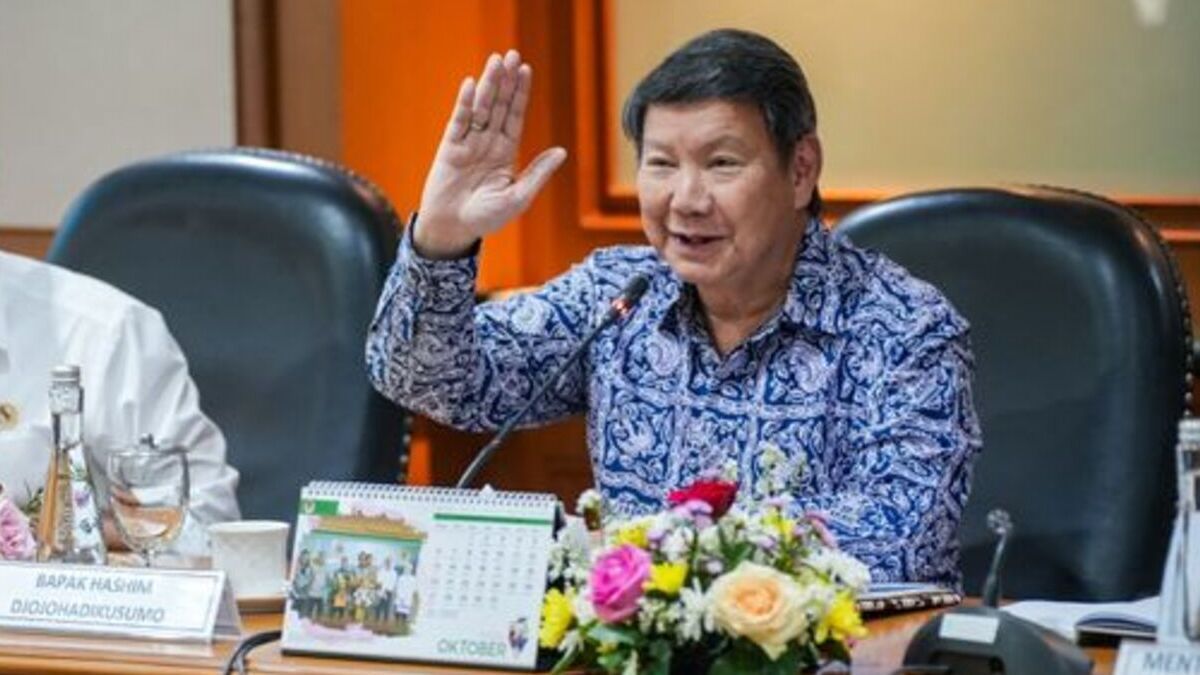
- Hashim proposed using 12.7 million hectares of degraded forest to support Indonesia’s B50 and B100 biodiesel programmes.
- Environmental advocates question whether the land is legally available for conversion or should instead undergo ecological restoration.
- The proposal has intensified scrutiny of how Indonesia will reconcile energy security ambitions with forest protection and fire prevention.

Indonesian President Prabowo Subianto’s special envoy for climate and energy, Hashim Djojohadikusumo, has faced criticism after proposing that 12.7 million hectares of degraded forest be used to support the development of biodiesel, including the B50 and B100 fuel programmes.
Hashim, the president’s younger brother, made the remarks at the Investor Daily Summit 2026 in Jakarta on 7 October. He said the proposed feedstock would come from degraded forest rather than primary forest, arguing that areas which had lost their productive timber and become overgrown with scrub were among the sources of forest and land fires.
The proposal has drawn criticism from environmental advocates and commentators, who have questioned whether degraded forest should be converted for energy production or prioritised for ecological restoration.
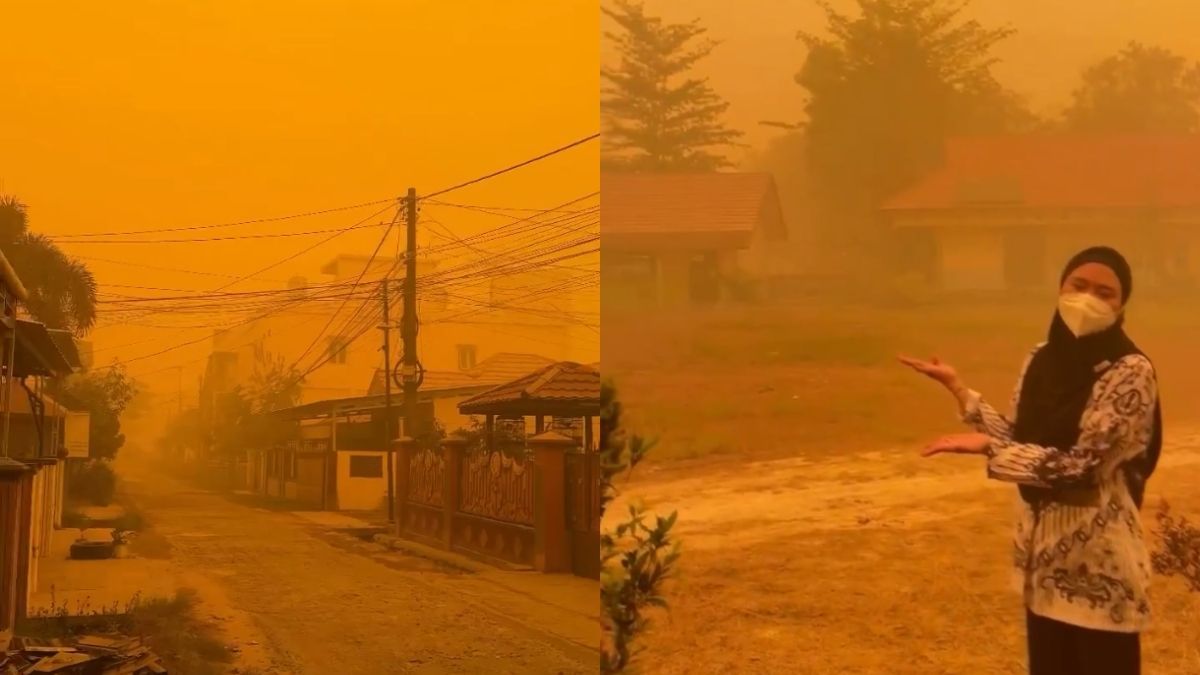
The debate comes as Indonesia continues to battle forest and land fires that have caused haze and disrupted communities in the country and neighbouring states.
Hashim says degraded forest can support B50 and B100
Hashim said the government planned to use degraded forest areas to support biofuel development as part of its efforts to strengthen Indonesia’s energy independence.
“Biofuel, from B50 to B100, will use sources from degraded forest, not primary forest,” he said, according to a report by Bloomberg Technoz.
He described the areas as land that had been logged and had lost its productive timber, with some now covered by scrub vegetation.
He also linked these conditions to the risk of forest and land fires, known in Indonesia as karhutla.
B50 refers to diesel fuel containing 50 per cent biodiesel blended with 50 per cent petroleum-based diesel. B100 refers to fuel consisting entirely of biodiesel.
Biodiesel is a renewable fuel made from biological sources such as vegetable oils and animal fats. It is used mainly in diesel engines, including those in trucks, buses, agricultural machinery and some industrial equipment. It can be blended with petroleum-based diesel or used at higher concentrations in engines compatible with the fuel.
Indonesia uses palm oil as a major biodiesel feedstock. Its biodiesel programme is intended to reduce reliance on imported fossil fuels, strengthen domestic energy security and expand the use of renewable fuels.
However, the environmental impact depends partly on how the feedstock is produced, including whether cultivation leads to deforestation or the conversion of ecologically important land.
Expanding production to higher blending levels requires the government to assess the availability of raw materials, agricultural productivity, land requirements and environmental consequences.
Hashim’s remarks did not establish which specific areas would be used or whether the entire 12.7 million hectares would be suitable for energy crops.
Environmental concerns prompt criticism
The proposal has prompted questions about whether the economic use of degraded forest should take priority over restoring damaged ecosystems.
The Indonesian Working Group on Forest Finance (IWGFF), in a commentary published on 11 October, questioned whether the 12.7 million hectares cited by Hashim could appropriately be treated as land available for conversion to energy plantations.
The group argued that degraded land and land legally available for plantation development are not interchangeable categories. A forest area does not automatically lose its legal status simply because its tree cover has been removed or it has become overgrown with scrub.
The commentary called for greater transparency about the locations, legal status and ecological condition of the areas concerned. It also questioned how much of the land would genuinely be suitable for energy crops and how much should instead be restored.
The criticism highlights a central issue in the proposal: the distinction between land that has suffered ecological damage and land that can legally be converted to another use.
Indonesia’s forestry regulations provide different protections and requirements for different forest categories. The loss of tree cover alone does not automatically authorise conversion to plantations.
Greenpeace calls for scrutiny of forest-related policies
Greenpeace Indonesia also called for closer scrutiny of statements made by presidential special envoys Hashim and Mari Elka Pangestu at the Indonesia International Sustainability Forum 2026.
In a statement issued on 8 October, the environmental organisation said their remarks about ending the need to expand rice cultivation into forest areas and focusing food and biofuel development on degraded land needed to be assessed against government policies and conditions on the ground.
Greenpeace questioned the consistency between assurances about avoiding further forest expansion and policies involving the release or conversion of forest areas for food and energy projects.
Its statement addressed the broader direction of the government’s forest and land-use policies rather than only Hashim’s 12.7-million-hectare biofuel proposal. It nevertheless added to calls for the government to explain how its plans for energy production would be reconciled with forest protection.
The backlash has also reached social media. An article published by Indonesian outlet OWRITE on 14 October reported online criticism of Hashim’s proposal, including comments arguing that damaged forests should be reforested rather than converted to oil-palm plantations.
Degraded forest is not automatically a source of fire
Hashim’s assertion that degraded forest is a source of forest and land fires has also raised questions about how such areas should be managed.
Dry vegetation can provide combustible material, while dry weather, land-clearing practices and human activities can contribute to fire risk. Peatland drainage and changes to water management can further increase the vulnerability of some areas to burning.
However, not every degraded forest area is automatically a source of fires. Risk depends on local vegetation, soil and hydrological conditions, weather and human activity.
Restoration can include natural regeneration, replanting native vegetation and restoring water systems in areas where drainage has damaged peatlands.
The appropriate approach depends on the condition and ecological function of each site.
The proposal has therefore raised questions about whether degraded forest should be treated primarily as a potential economic resource or as an ecosystem requiring rehabilitation.
The government’s energy ambitions
The proposal comes amid Indonesia’s push to strengthen energy security and reduce dependence on imported fossil fuels through higher biodiesel blending mandates.
The transition from B50 to B100 would require substantial and reliable supplies of biodiesel feedstock. Palm oil is a major source, but any expansion of production raises questions about land availability, productivity, competing uses and environmental safeguards.
The 12.7-million-hectare figure cited by Hashim requires further clarification, including the geographical distribution of the land, its legal classification, existing land rights and the proportion that could be used for energy crops without undermining important ecological functions.
Degraded forest may vary significantly in condition. Some areas may be suitable for certain forms of productive use under the relevant legal and environmental requirements, while others may need restoration to protect biodiversity, carbon storage, watersheds or peatland hydrology.
The proposal has not, in itself, established that the full area is available for conversion or that a final land-use decision has been made.