Japan’s extreme heat pushes farmers into night-time work
Japan recorded 40C temperatures in Fukuoka as prolonged extreme heat strained public health and forced farmers to shift harvesting and livestock routines into cooler hours.
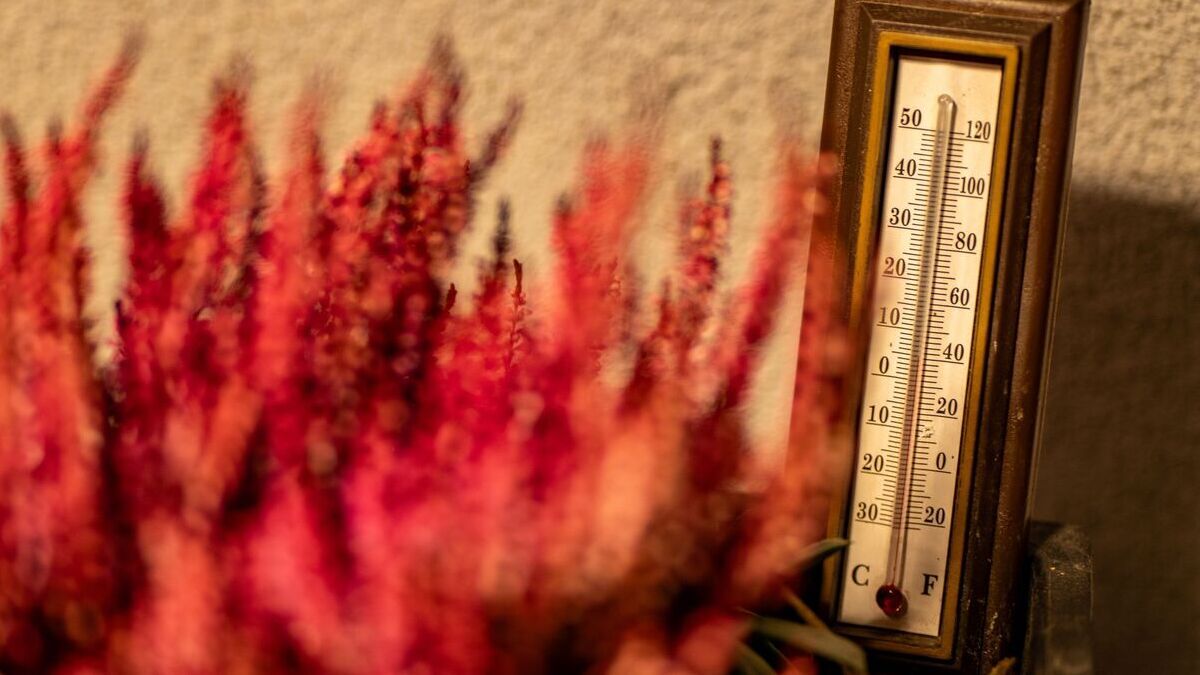
- Fukuoka recorded 40.4C, its first temperature of 40C or higher.
- More than 41,000 people were hospitalised with heatstroke across Japan in July.
- Farmers are shifting work into cooler hours to reduce dangerous heat exposure.

Japan experienced another day of extreme heat on Wednesday, with temperatures reaching 40C in Fukuoka as authorities warned that high temperatures could continue for weeks.
The temperature in Hakata Ward, Fukuoka, reached 40.4C, the Japan Meteorological Agency said. It was the first time the city had recorded 40C or above. The agency attributed the heat in Fukuoka to hot, moist air flowing into the region from a nearby typhoon.
Dazaifu, also in Fukuoka Prefecture and home to the major tourist attraction Dazaifu Tenmangu shrine, recorded 40.3C.
Nationwide, 246 of 914 observation points recorded temperatures of at least 35C on Wednesday. Japan classifies temperatures of 35C or higher as “extremely hot”, while days when temperatures reach 40C or above are referred to as “kokushobi”, or “cruelly hot” days.
The latest temperatures came as the country continued to deal with the health effects of prolonged heat.
More than 41,000 people were taken to hospital with heatstroke across Japan in July, according to the Fire and Disaster Management Agency. At least 79 people died, while more than 24,700 of those hospitalised were aged 65 or older.
The weather agency has warned that high temperatures are expected to persist for about another month and has advised people to drink sufficient water and take precautions against heatstroke.
Farmers move work to the night
The heat is also changing the daily routines of Japanese farmers.
In Nikko, north of Tokyo, flower farmer Motoaki Iijima now harvests gerberas after sunset under artificial lights. His greenhouse glows through the night as he and his workers avoid daytime temperatures that can make working conditions dangerous.
Iijima, 36, converted his family’s centuries-old rice farm into a flower farm about a decade ago. Three summers ago, a part-time worker suffered heatstroke while picking sunflowers inside a greenhouse.
When outdoor temperatures rise above 35C, temperatures inside the greenhouse can exceed 40C. Iijima subsequently moved harvesting and other tasks to the cooler hours of the night.
“The hours around dusk are really precious. That’s when we can be outside,” Iijima said. “We’ve gradually become nocturnal. It’s about protecting our bodies, and ultimately, our lives.”
Workers at his farm now begin some tasks up to two hours earlier. One of them, 68-year-old Miyoko Asada, arrives shortly after sunrise and works with other employees to harvest asters before temperatures rise.
“We’ve got to race against the clock,” Asada said.
Heat takes toll on ageing agricultural workforce
Japan’s farming sector is particularly exposed to heat because of its ageing workforce. Around 70 per cent of the country’s farmers are aged 65 or older, according to figures cited by Reuters. High humidity can further increase heat stress.
A record 59 agricultural workers died from extreme heat in Japan in 2024, more than twice the number recorded in 2021. A survey by the Japan Weather Association found that about 60 per cent of farmers in their 20s to 50s had either experienced heatstroke themselves or knew someone who had. Nearly 60 per cent had also shifted their working hours to earlier or later in the day.
Heat is also reducing the number of hours that farmers can safely work. According to the Lancet Countdown, heat exposure cost Japan’s agricultural sector 926 million labour hours in 2024. Across all sectors, heat-related lost labour hours were nearly twice the 1990s average, corresponding to about US$46 billion in lost income, or roughly 1 per cent of Japan’s gross domestic product.
Poultry farmers also adjust routines
The effects of extreme heat extend beyond crops.
Poultry farmer Tetsuya Usuba, 48, in Tochigi Prefecture, lost more than 500 laying hens during a three-day period of intense heat six years ago.
He now has a fixed midnight routine. Lights in two of his barns automatically switch on at 2.30am, waking about 4,400 hens so they can eat before daytime temperatures become oppressive.
Usuba has also installed additional fans, sprays water on the metal roofs of his barns and adds citric acid to the birds’ drinking water. Despite those measures, he lost 130 birds when temperatures suddenly rose above 35C last month.
During a recent afternoon visit, the temperature inside the poultry facility was 33C, with many birds panting with their beaks open.
“Summer has become a new threat to producers like us, something as scary as an outbreak of avian influenza,” Usuba said.
Government strengthens workplace measures
Japan introduced strengthened workplace heatstroke requirements in June 2025. Employers must establish systems for workers to report heatstroke symptoms and must prepare procedures covering measures such as leaving the work area, cooling the body and obtaining medical treatment when necessary.
The government is also promoting technologies including drones and robots to reduce workers’ exposure to extreme heat.
For many farmers, however, changing the working day remains the most immediate adjustment.
At Iijima’s farm, workers inspect flowers for signs of wilting and load harvested crops onto trucks in the early morning. Before 8am, conditions remain manageable.
As temperatures rise, the working window becomes shorter, leaving farmers to complete essential tasks before the heat becomes too severe.