Indonesia denies palm oil and mining tycoon Haji Isam was appointed to lead Kalimantan fire response
Indonesia’s presidential palace has denied that businessman H Samsudin Andi Arsyad, better known as Haji Isam, was appointed to co-ordinate the Kalimantan fire response amid a major government mobilisation against worsening forest and land fires.
- The presidential palace denied that businessman Haji Isam was formally appointed to co-ordinate the fire response.
- Central Kalimantan recorded 19,992 hotspots and 1,639 fire incidents by 21 August.
- Indonesia has mobilised thousands of personnel and expanded aerial and ground firefighting operations.

A reported appointment of Indonesian businessman H Samsudin Andi Arsyad, better known as Haji Isam, to help lead the response to forest and land fires in South Kalimantan has sparked controversy in Indonesia, with the presidential palace denying that he was appointed as the official coordinator.
The controversy emerged as President Prabowo Subianto personally oversaw the government's response to widespread fires across Kalimantan and travelled to West and Central Kalimantan on 22 August.
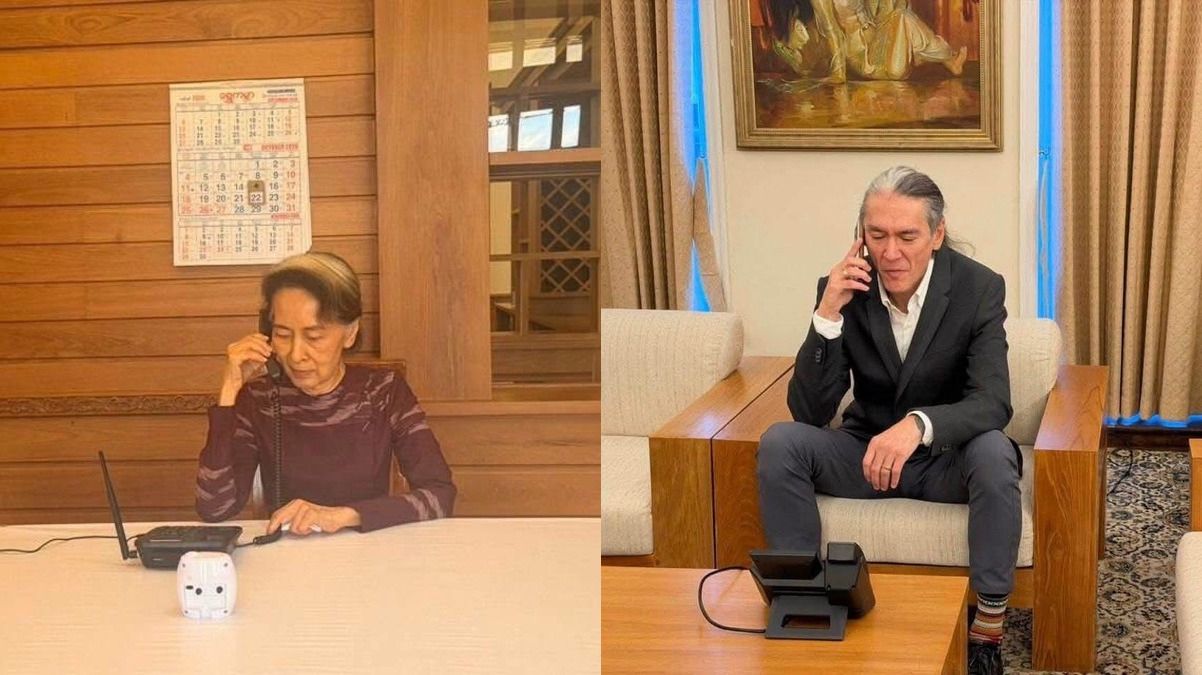
Reports circulating in Indonesia said Haji Isam had received a mandate to help lead and co-ordinate the firefighting operation in South Kalimantan after receiving a telephone call from Defence Minister Sjafrie Sjamsoeddin.
Haji Isam subsequently travelled to South Kalimantan and attended a co-ordination meeting with senior military, police and regional officials.
However, Minister of State Secretary Prasetyo Hadi rejected claims that Haji Isam had been appointed as the coordinator of the Kalimantan fire response.
“There is no such thing. It is not true,” Prasetyo said in Jakarta on Sunday, 23 August. He said all parties had been asked to help, but the central government had assigned minister-level officials to oversee different regions.
Why the reported appointment caused controversy
The reaction in Indonesia was fuelled by questions over the appropriateness of giving a prominent businessman a role in managing a major environmental disaster.
Haji Isam is a major businessman whose interests include palm oil and mining.
Reports of his alleged appointment, therefore, prompted criticism on Indonesian social media, particularly because the fires involve forests, peatlands and areas used for plantation and other land-based activities.
The controversy was also shaped by the government's wider efforts to establish responsibility for fires. Four companies in West Kalimantan are under investigation over alleged violations connected to the fires, while Indonesian authorities have said those found responsible could face sanctions.
The perception that a businessman with interests in land-intensive industries was being placed in a prominent role in the fire response prompted questions about potential conflicts of interest and the role of private business in a government-led disaster operation.
The government, however, has made clear that Haji Isam was not appointed as the formal co-ordinator.
Prasetyo said the central government had divided responsibility for the affected regions among several minister-level officials. The priority provinces include West, Central and South Kalimantan, as well as Riau, Jambi and South Sumatra.
Prabowo takes direct control of the response
The dispute emerged as Prabowo stepped up the government's response to the fires.
On 22 August, the President travelled to Kubu Raya in West Kalimantan, where he chaired a meeting on the situation before continuing to Central Kalimantan.
In Palangka Raya, Prabowo chaired another meeting at the advance command post for the handling of forest and land fires near Tjilik Riwut Airport.
Officials requested additional water-bombing helicopters, water pumps and other equipment. Prabowo subsequently approved additional resources, while three military battalions were also prepared to reinforce firefighting operations in West, Central and South Kalimantan.
The central government has deployed 12,880 personnel for firefighting operations, weather modification and air-quality monitoring across the affected regions.
Central Kalimantan records nearly 20,000 hotspots
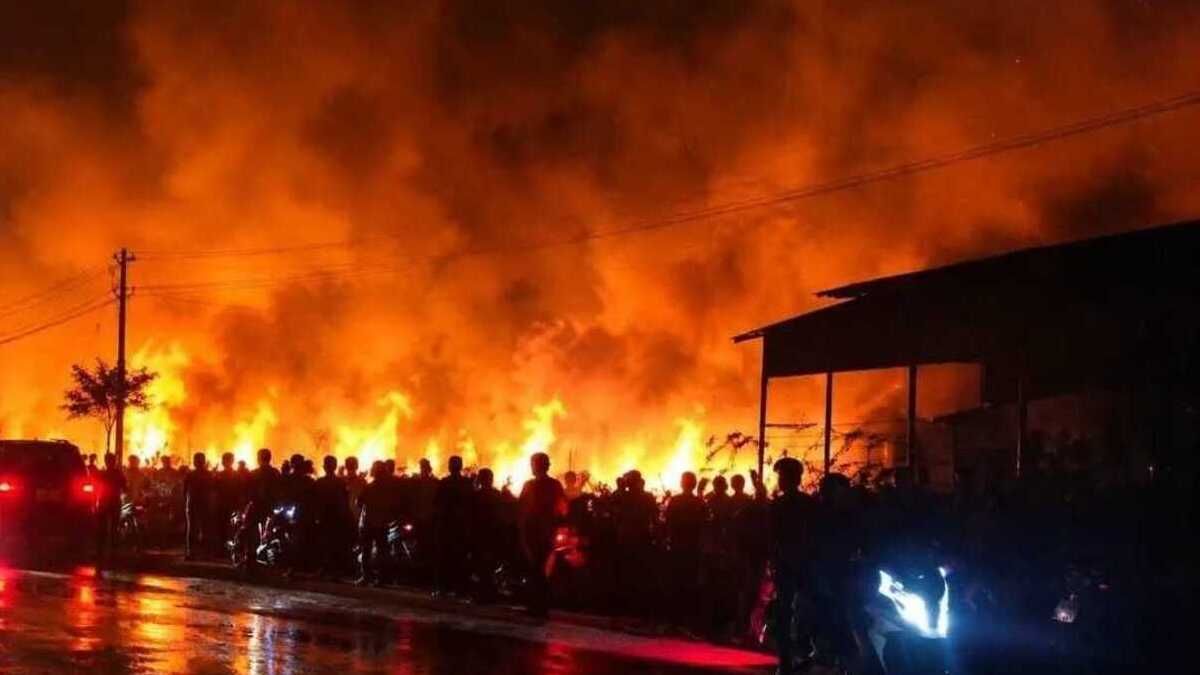
The scale of the fires is particularly serious in Central Kalimantan.
According to a report submitted by Central Kalimantan Governor Agustiar Sabran to Prabowo on 23 August, the province had recorded 19,992 hotspots and 1,639 forest and land fire incidents as of 21 August.
Ground teams had dealt with fires covering 4,499.21 hectares, while Landsat 8 OLI/TIRS satellite analysis by the Ministry of Forestry estimated the burned area at 7,634.46 hectares.
The provincial government said August had recorded the sharpest increase in fires during 2026.
In the first 18 days of August alone, Central Kalimantan recorded 14,659 hotspots, 798 fire incidents and 2,824.42 hectares of burned land. The area burned during that period exceeded the accumulated total recorded between January and July.
Air quality reaches very unhealthy levels
The fires have also affected air quality within Central Kalimantan.
As of 7am on 22 August, three of the province's six active air-quality monitoring stations recorded conditions classified as very unhealthy.
The affected areas were Kasongan in Katingan Regency, Kuala Kurun in Gunung Mas Regency and Buntok in South Barito Regency.
Palangka Raya, Sampit and Puruk Cahu recorded unhealthy air quality.
Central Kalimantan has maintained an emergency alert status for forest and land fires from 26 May until 31 October 2026. Several regencies and cities have also declared emergency response statuses.
More than 10,000 personnel mobilised
Around 10,700 personnel have been deployed in Central Kalimantan, including members of the Regional Disaster Management Agency, Forestry Agency, firefighting services, Indonesian Military, National Police, Manggala Agni and community fire groups.
The province also has more than 5,000 volunteers involved in firefighting activities.
Across Kalimantan, the Ministry of Forestry has deployed 758 Manggala Agni personnel: 265 in West Kalimantan, 208 in Central Kalimantan, 174 in South Kalimantan and 111 in East Kalimantan.
A further 45 Manggala Agni personnel from Java, Sulawesi and South Kalimantan have been prepared to reinforce areas requiring more intensive operations.
Peatland fires complicate firefighting
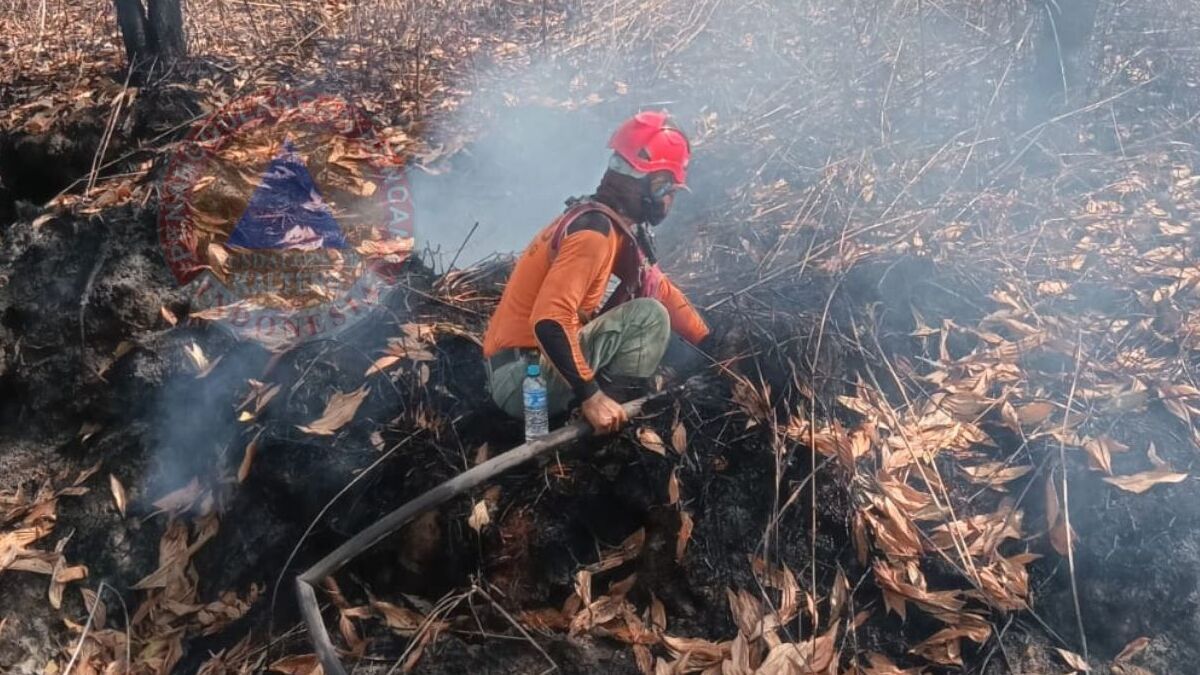
Firefighters are facing particular difficulties in peatland areas, where fires can continue burning beneath the surface even after visible flames have been extinguished.
Ground teams therefore need to carry out prolonged wetting and cooling operations to prevent fires from re-emerging.
Limited access to water has also hampered operations. Teams have constructed temporary bore wells in some areas to bring water sources closer to fire locations.
The Central Kalimantan government has requested additional water infrastructure and firefighting equipment, including pumps, hoses and water tanks.
Aerial operations are being conducted alongside ground firefighting, including patrols and water bombing. Weather modification operations have also been carried out to increase the possibility of rainfall over affected areas.
Haze crosses into Malaysia
The fires have also become a regional issue as smoke from Kalimantan crosses into neighbouring Malaysia.
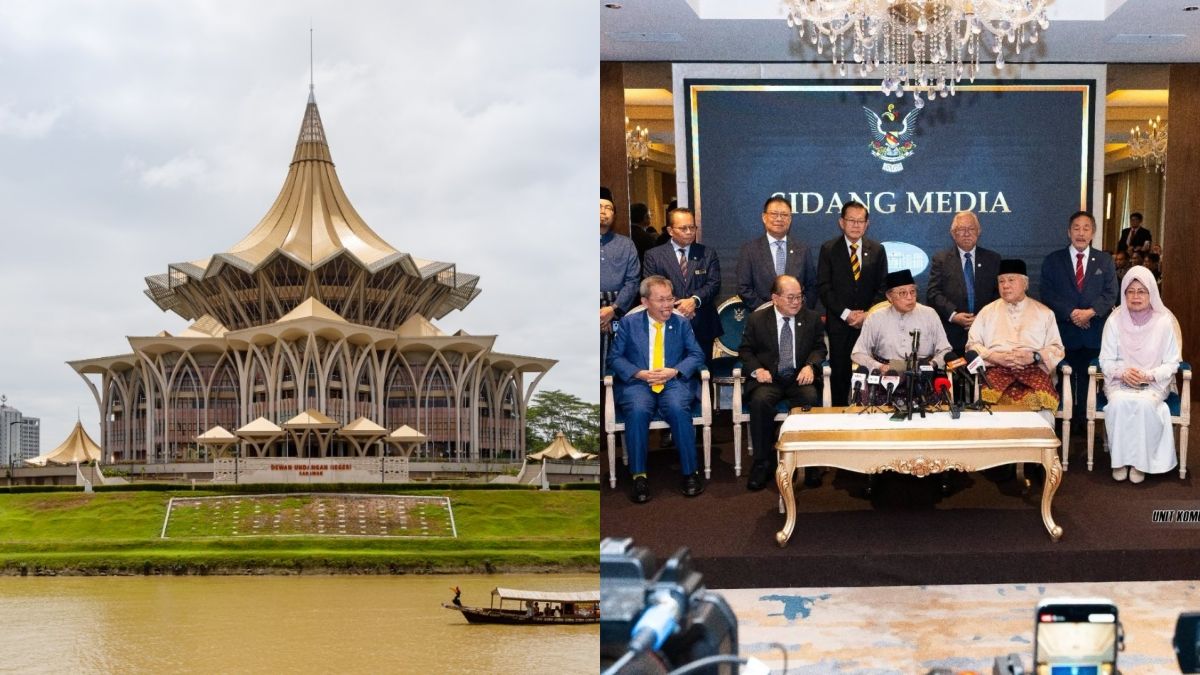
Sarawak has been among the areas affected by transboundary haze. On 23 August, Kuching's air-quality index reached 184, according to reporting citing IQAir, after the city had recorded an index of 171 earlier in August.
The Associated Press reported that smoke from Indonesian fires had spread into Malaysia, with Sarawak among the areas hardest hit. Nearly 600 schools in Sarawak were closed, affecting about 200,000 students, after air quality deteriorated.
The haze is particularly significant for Malaysia because Sarawak shares the island of Borneo with Indonesia's Kalimantan provinces.
Singapore is also closely watching developments because severe Indonesian fire seasons can produce transboundary haze across South-east Asia. The current fires have therefore created concerns extending beyond Indonesia's borders.
Authorities investigate suspected fire starters
While firefighting operations continue, Indonesian authorities are also pursuing those suspected of starting fires.
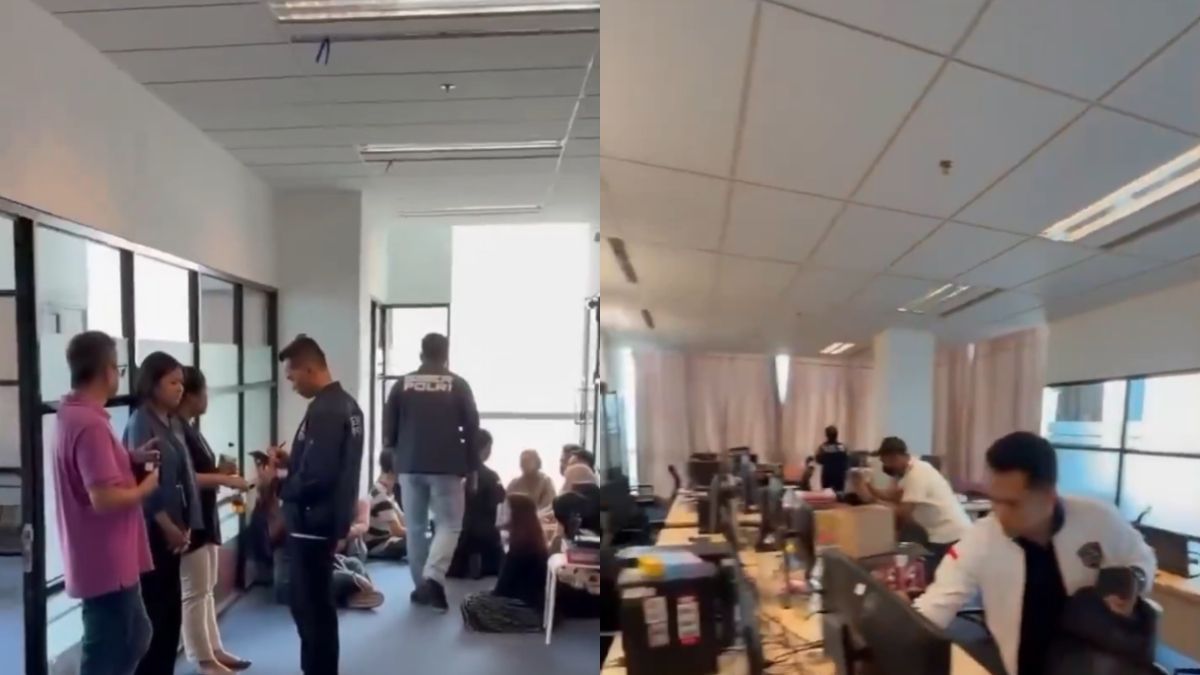
Police have arrested 72 people suspected of deliberately starting forest and peatland fires across several provinces on Borneo and Sumatra. Authorities are investigating 89 fire-related cases and examining possible links between fires and land clearing for plantations.
Four companies in West Kalimantan are also under scrutiny. Prasetyo has said companies found to have deliberately caused fires could face sanctions, including the possible revocation of their operating permits.
The investigation comes as Prabowo has instructed authorities to intensify efforts to contain the fires and hold responsible parties accountable.
For now, the government has rejected the claim that Haji Isam was appointed to formally co-ordinate the operation.
The clarification has come amid a wider mobilisation of government agencies, military and police personnel, firefighters and local communities as Indonesia attempts to contain the fires and limit the haze affecting neighbouring Malaysia and the wider region.