France's high-school protests escalate as students demand more teachers and better schools, nearly 2,000 arrested
France’s nationwide high-school protests intensified on 1 October, with 222 schools blocked, clashes and fires reported in several cities, and authorities recording 1,949 arrests and 305 injured police and gendarmes.
- France recorded 1,949 arrests as high-school protests and blockades spread nationwide on 1 October.
- Students are protesting overcrowding, teacher shortages, inadequate resources, poor facilities and pressure from Parcoursup.
- Violence and vandalism were reported alongside the demonstrations, prompting a larger deployment of security forces.

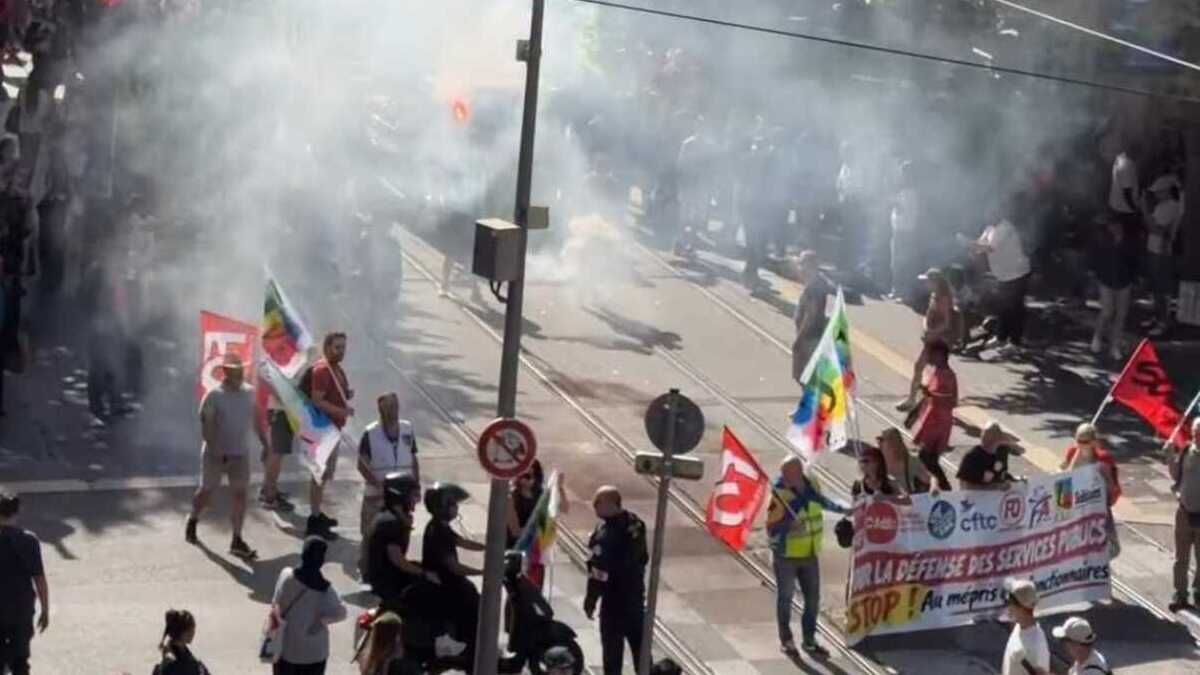
France’s nationwide high-school protests escalated on Thursday (1 October), with students blocking hundreds of schools and clashes and vandalism reported in several cities, while authorities said nearly 2,000 people had been arrested during the day.
According to France’s Interior Ministry, 1,949 people were arrested on Thursday, 1 October, during protests and blockades at schools across the country. The ministry said the arrests were linked to incidents including violence, attacks on public officials and unlawful gatherings.
The figure was a nationwide total and did not specify how many of those arrested were students. It came as 1,027 of France’s roughly 3,700 secondary schools were affected by the protests, including 222 schools that were blockaded.
The number was a sharp increase from the previous day, when Interior Minister Laurent Nuñez said 625 people had been detained on 30 September, most of them minors.
On 1 October, the Education Ministry reported that 170 students and 65 education staff were injured, while the Interior Ministry said 305 police officers and gendarmes were injured. The authorities’ figures cover the broader unrest surrounding the school protests, rather than arrests of students alone.
The protests, which began at high schools around the Paris suburbs before spreading nationwide, have centred on complaints including overcrowded classrooms, teacher shortages, inadequate resources and the condition of school buildings.
Students have also raised concerns about the replacement of absent teachers and the pressure associated with the university admissions system Parcoursup.
Violence reported at schools
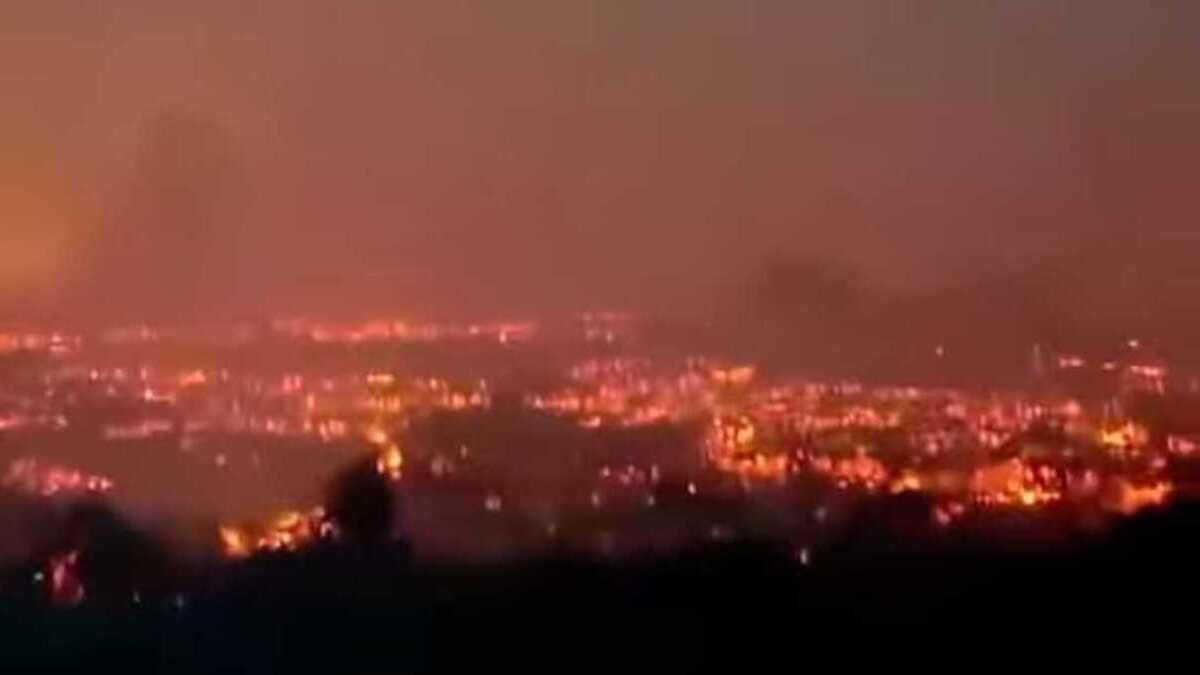
The escalation has included burning rubbish bins, damage to buildings and clashes with police.
In Nantes, the entrance hall of Lycée Nelson-Mandela was damaged by a fire during a blockade. Authorities said the fire was deliberately started and spread to the school's façade before being brought under control.
In Marseille, two school principals were reported injured during incidents around high schools. Firefighters responding to a fire outside Lycée Saint-Exupéry were also attacked, with one firefighter suffering a facial fracture after being struck by a projectile.
A fire also damaged a fire service vehicle. Police made 68 arrests in Marseille during the day, according to the local authorities cited by Le Monde.
In Strasbourg, public transport services were interrupted in parts of the city as authorities sought to limit clashes around demonstrations. Similar disruption was reported in other cities, including Lille, Nice and La Rochelle.
The French Education Ministry said the movement had also affected university campuses, with around 30 higher-education institutions joining the mobilisation on Thursday.
The government has responded by increasing the deployment of riot police and mobile gendarmerie units. Interior Minister Laurent Nuñez said the situation had deteriorated and condemned what he described as “unbridled violence”.
Students cite overcrowding and poor facilities
The protests have involved students from France's lycées, which generally serve pupils in the final three years of secondary education.
Students have cited class sizes, a shortage of teachers, school infrastructure and working conditions among their grievances.
The national Education Ministry's figures for the 2026-27 school year put the average class size in French colleges and lycées at 25.3 pupils. The ministry said 851,500 teachers were expected to serve 11.6 million pupils across 57,700 schools, colleges and lycées when the academic year began on 1 September.
The current mobilisation has focused particularly on demands for absent teachers to be replaced, additional resources, renovated facilities and what student groups describe as decent learning conditions.
The Education Ministry and Interior Ministry held a joint meeting with prefects and education officials on Wednesday, 30 September, as the protests expanded.
Government and opposition clash over protests
Prime Minister Sébastien Lecornu's government has described the escalation as having moved beyond student demonstrations into what it calls “urban violence”.
The government has also accused elements of the radical left of helping organise or encourage the unrest. Members of the left-wing France Unbowed (LFI) party have rejected that characterisation.
Jean-Luc Mélenchon, the party's leader, said LFI had called for non-violent forms of protest. Manuel Bompard, another senior LFI figure, accused the government of relying on what he described as “conspiratorial thinking”, according to AFP reports carried by French media.
The Interior Ministry's figures cover arrests made during Thursday's operations. Separately, the Justice Ministry said 1,793 people had been placed in police custody since Monday, according to Le Monde.
The government is continuing to deploy security forces around affected schools while the Education Ministry prepares further discussions with student organisations. Education Minister Édouard Geffray has said he will meet student representatives and has announced measures to address the issues raised by the mobilisation.
The protests are taking place as France prepares its 2027 presidential election, although the immediate demonstrations have focused on conditions in schools and wider education-related grievances.